
New technology
Japan makes smart glasses that can cure both nearsightedness and farsightedness
Japanese smart eyewear company Vixion has invented an innovative glasses that can help wearers overcome both nearsightedness and farsightedness.
Browse ScienceInfo articles and explainers related to Nearsightedness.
18 published items.
Japanese smart eyewear company Vixion has invented an innovative glasses that can help wearers overcome both nearsightedness and farsightedness.
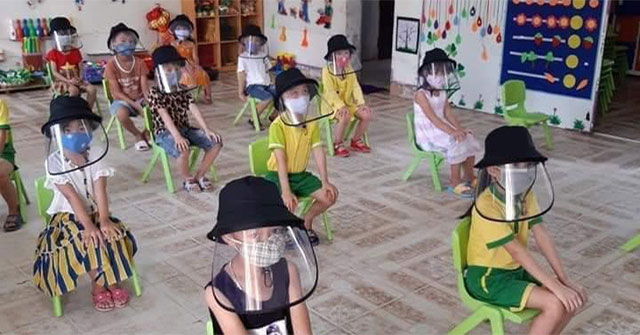
Students have to look through the plastic for a long time and it will affect their eyes, especially for elementary students, the age of visual formation.
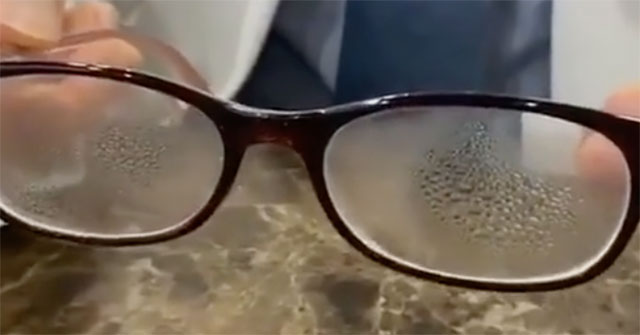
In the middle of the storm, of course, a mask is needed, but for a team of four eyes, the experience is not easy because the glasses are always blurred by the steam.
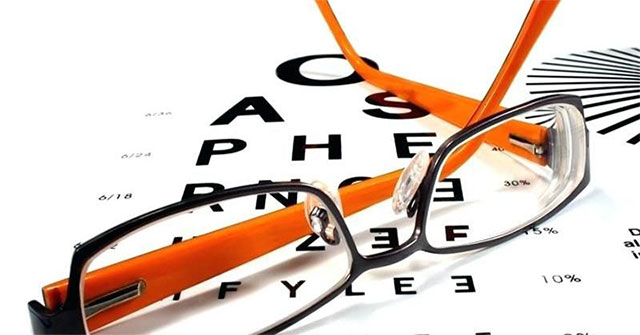
Myopia without glasses in special cases will affect the vision in the distance which will obstruct, difficult in work and daily life.
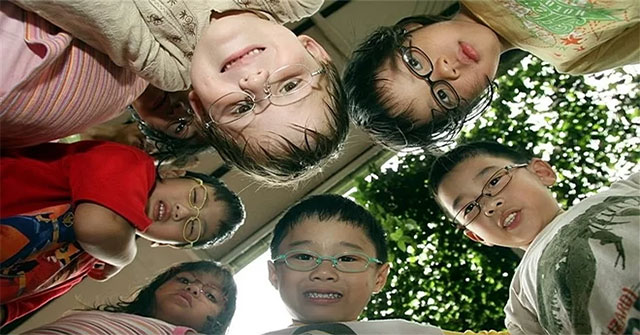
Researchers are collaborating on a design for glasses for myopia children aged 6 to 12 years that can emit purple light.
In the 13th century, Europe had hand-held convex lenses to overcome farsightedness but it was not until 200 years later that glasses for nearsighted people appeared.
Myopia has become a common disease worldwide in recent years. In the US, it affects more than 40% of the population. In the UK, this number ranges from 20-30%.
The answers of doctors are always the same: It's because of genes and reading, using computers too much, though not necessarily.

Dr. Nguyen Van Khai, Director of the Center for Electrochemical Activation Solution & Electricity Saving Lamp, said that students with eye diseases are due to light poll…
Many scientists believe that up to 2050, up to 5 billion people will need to wear glasses.

A new study in rats showed that you are nearsighted or not due to a specific type of cell in the retina.
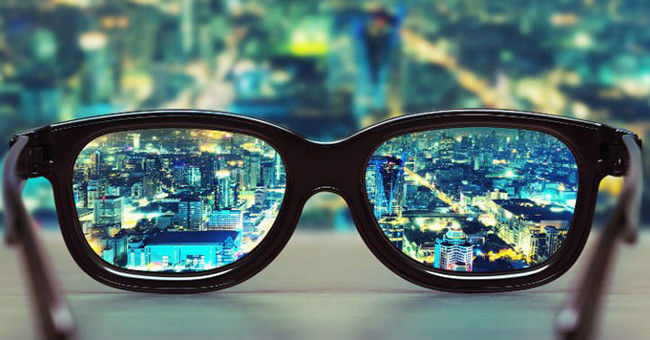
Half the world's population is equivalent to about 5 billion people who will have nearsightedness by 2050 and the blindness rate of one-third of them will increase signi…
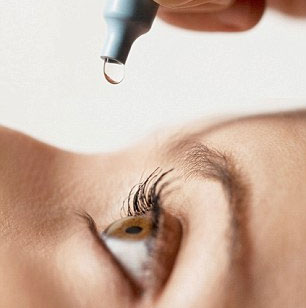
Researchers have found that using an eye drops with low levels of daily medications for children while they are growing can prevent the progression of nearsightedness.
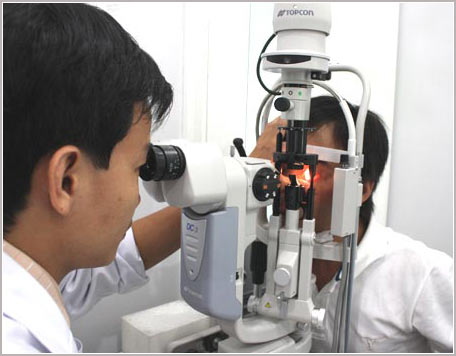
A recent survey by the Vietnam Institute of Educational Sciences shows that nearly 25% of students are nearsighted. Approximately 15% of primary school students (grades…

Poor eyes often involve continuous use of computers, watching television ... But a new study concludes, myopia depends heavily on birth.