Space science
China uses nuclear power to launch a mission to Neptune
China is also contemplating a nuclear-powered Neptune Explorer to explore the ice giant and its largest moon (Triton).
Browse ScienceInfo articles and explainers related to Neptune.
80 published items.
China is also contemplating a nuclear-powered Neptune Explorer to explore the ice giant and its largest moon (Triton).
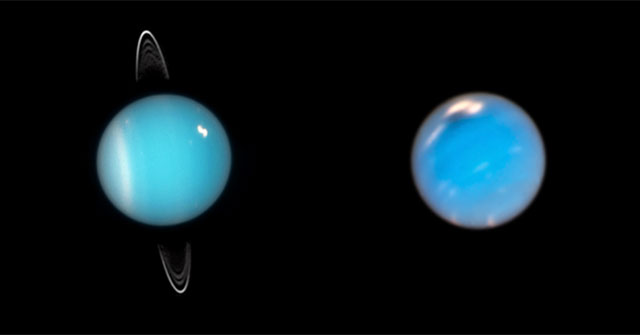
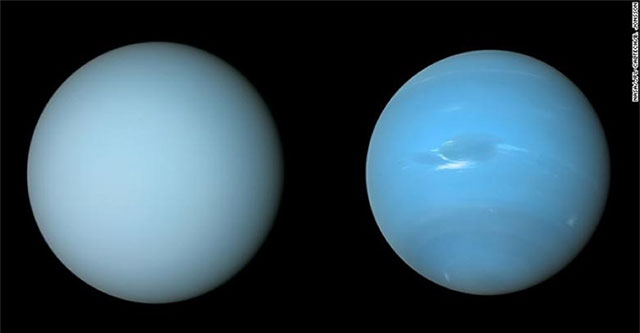
Neptune and Uranus are so similar that scientists sometimes call these distant planets 'twins'. However, these two ice giants have a big difference in color.
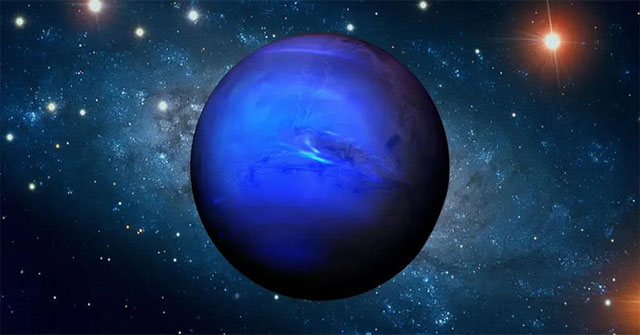
Six super telescopes have focused on Earth's coldest and most mysterious brother and discovered very strange things are happening on this planet.
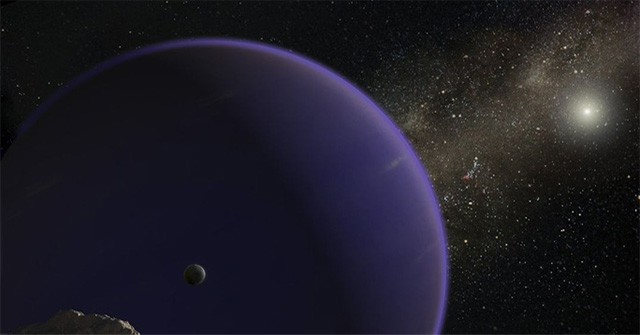
According to the Daily Mail, the object identified by the Vatican's Advanced Technology Telescope, dubbed 2021 XD7, takes 286 years to complete one orbit around the Sun.
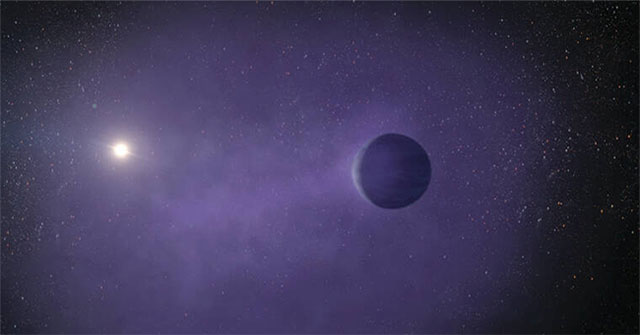
The spectacular transformation of two future super-Earths has been recorded by NASA/ESA's Hubble Space Telescope and WMKeck's Keck II Telescope (located in Hawaii).

It turns out that the Earth is still breathing with larger lungs in the ocean, an ecosystem few of us know about: The seagrass fields.
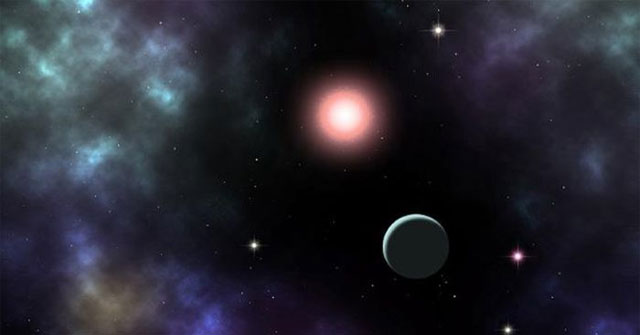
A new planet in the form of Little Neptune could have a cool temperate climate and liquid water - the potential for life.

Scientists found exoplanets the size of Neptune orbiting the star AU Mic, 32 light-years from Earth.
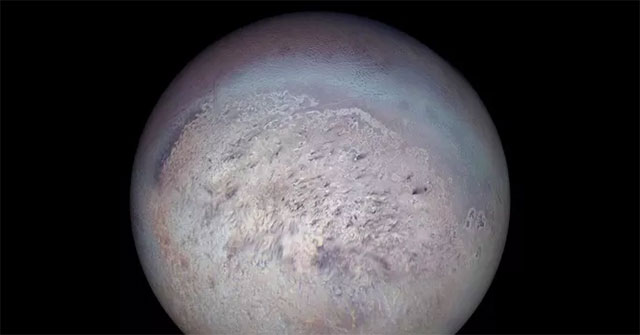
Neptune's beautiful moon, Neptune, shines a light purple through the lens of a NASA spacecraft, can possess an ocean of life.

Spaceship Neptune's cabin is fitted with a hydrogen balloon that can carry eight people up to the stratosphere to see the Earth from the edge of space.

A cemetery on the ocean floor is the ultimate resting place especially for beach lovers.
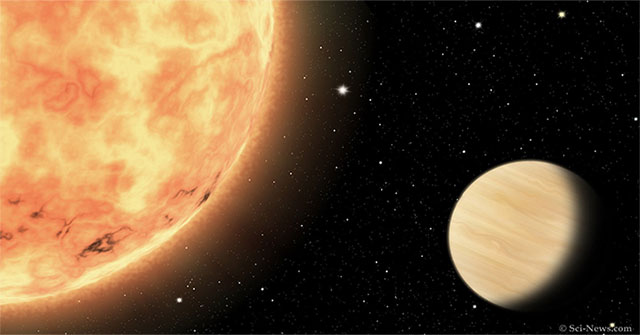
A planet 23 times the mass of the earth and a terrible temperature - 1,111 degrees Celsius - has been found on the edge of the Neptune desert of a star like the Sun.
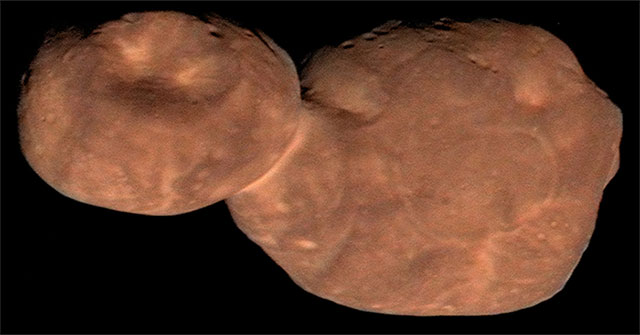
Scientists at the US Aerospace Agency (NASA) have named the outer planet Neptune (Kuiper belt object - KBO) Ultima Thule a new name is Arrokoth.
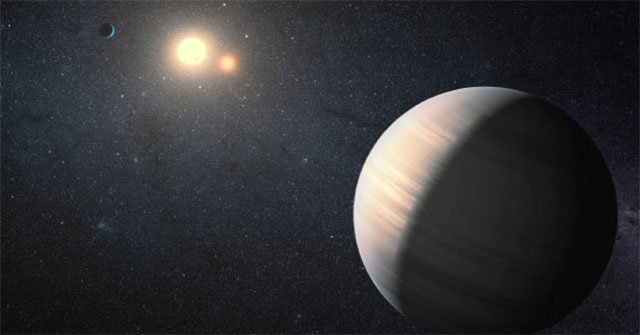
With the presence of a large and mysterious Neptune superstar, Gliese 15A officially became the most polycentric planet near the Solar System ever known.