Space science
Neutron stars shake understanding of black holes
A newly observed neutron star merger has cast doubt on the previously known mechanism of black hole formation.
Browse ScienceInfo articles and explainers related to Neutron Star.
42 published items.
A newly observed neutron star merger has cast doubt on the previously known mechanism of black hole formation.

NASA's James Webb Space Telescope (JWST) has detected two neutron stars colliding so violently that they may be creating gold in space.
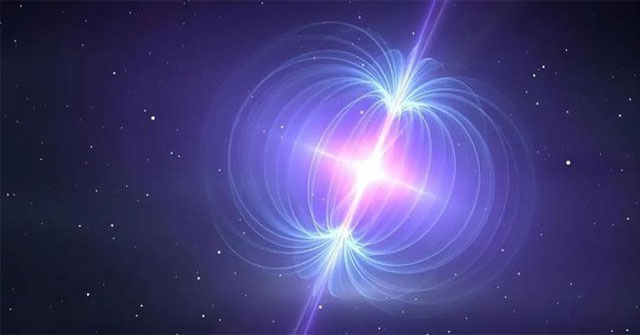
The mass per cubic centimeter can amount to more than 100 million tons, and a tablespoon of matter weighs as much as a mountain on Earth.

NASA astronomers discovered a very young and powerful neutron star, about 16,000 light-years from Earth.

Inside the neutron stars is the 'noodle nucleus' - an unusual state of matter, consisting of subatomic particles called quarks.
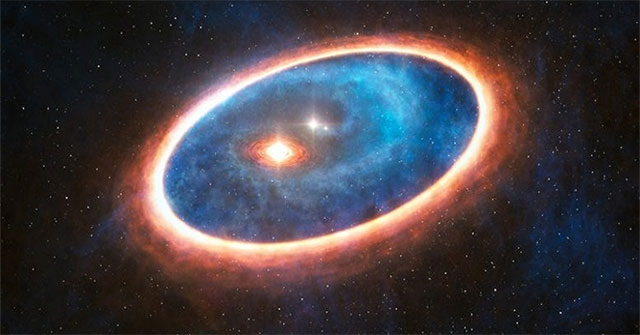
Computer simulations reveal how a massive star draws matter from a smaller star orbiting it at close distances.
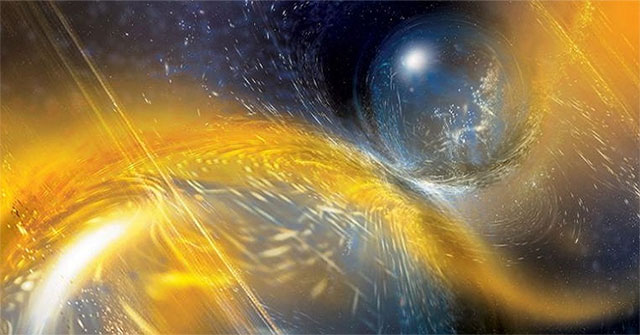
Astronomers for the second time discovered gravitational waves generated from the intense merger of two neutron stars.
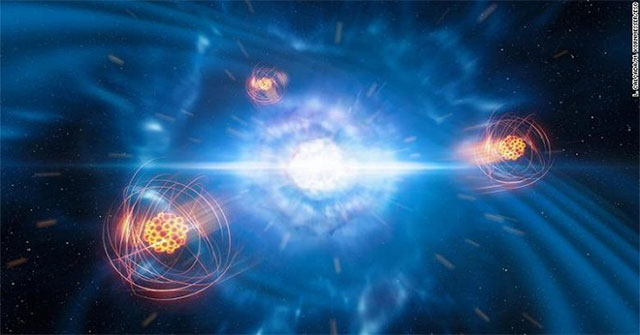
Astronomers have discovered the collision of two neutron stars in 2017 creating a heavy element of strontium alongside gold, lead and platinum.
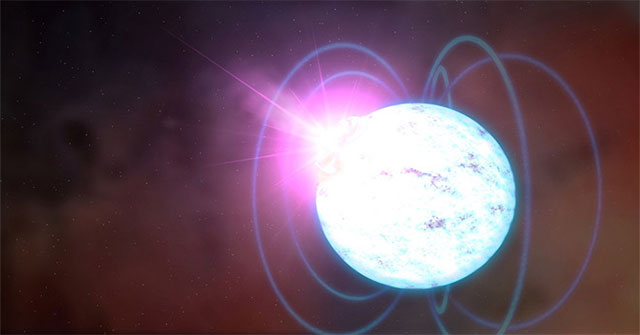
Scientists have discovered the largest neutron star ever, with its enormous mass compressed close to the limits set by the laws of physics.
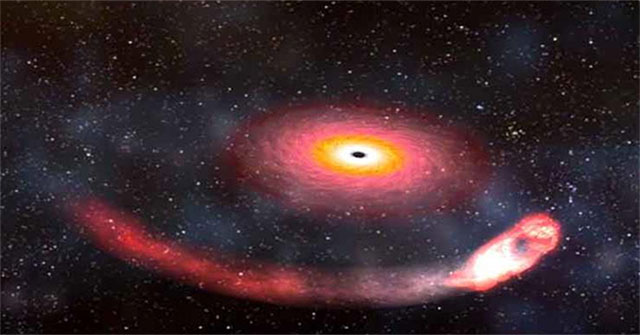
American astronomers found solid evidence of a merger between a black hole and neutron star on August 14.

By translating the signal frequency into sound waves, 'music' can be received, - as reported on the TV Studio's page.
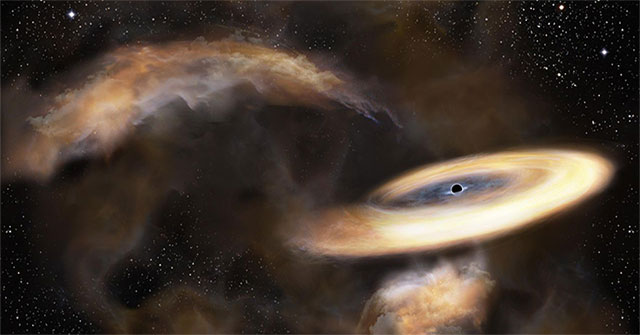
NASA observers have captured five cosmic signals over the past month that they suspect are ripples from terrible disasters in space.

Researchers in the US say they have created a liquid with a negative volume in the laboratory ... which is almost unreasonable, when you push this liquid forward it will…

NASA researchers discovered traces of a thousand-star explosion 1.7 billion light-years from Earth.
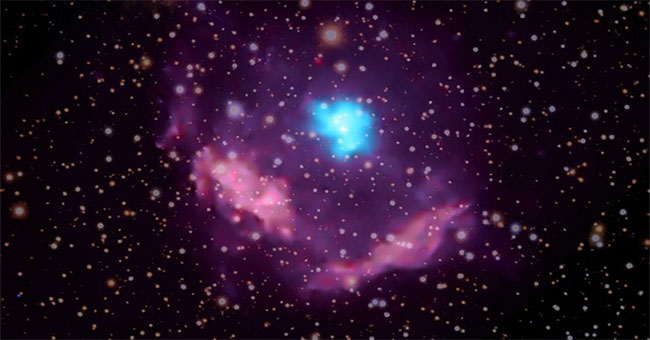
The first image was taken by Chandra X-ray Observatory of the US Space and Aeronautics Agency (NASA), showing the youngest pulsar that scientists have ever seen.