Biology
Detecting night glowing mushrooms in Brazil
Researchers at San Francisco State University, USA, have found bioluminescent fungi that have never been seen since 1840.
Browse ScienceInfo articles and explainers related to Night.
1,232 published items.
Researchers at San Francisco State University, USA, have found bioluminescent fungi that have never been seen since 1840.
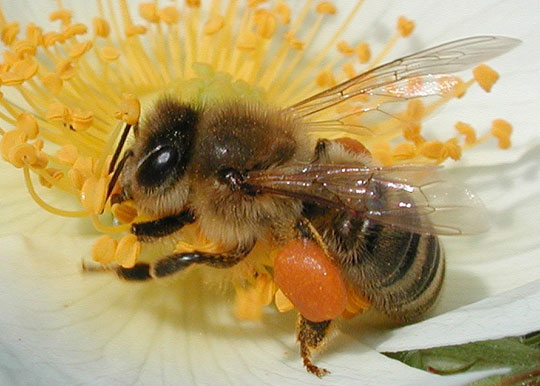
Nobody works well when tired, and insects are no exception. Like humans, bees when sleepiness becomes a bad dancer and a poor communicator, according to New Scientist ma…

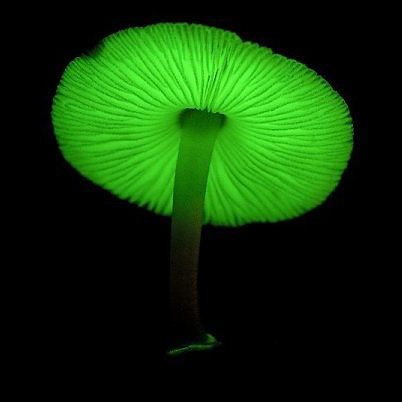
Continuous glowing in the tropical forests of Brazil, Mycena luxaeterna is like tiny stars on the ground.

Korean scientists have successfully cloned four dogs capable of emitting red light in the dark.
Dr. David Merritt of the University of Queensland (Australia) discovered daily biorhythms as a factor in the act of turning on and off 'lights' in glowing worms.
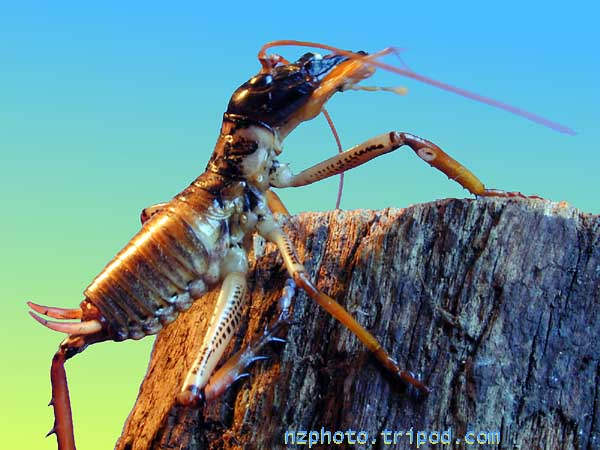
Finding a mate can be a hard work, the giant night cricket Cook Strait, Deinacrida rugosa, is a living testament to that.

While scientists and physicists know what happens if you don't sleep 6 to 8 hours a night, they still haven't explained what really controls our sleeping needs. Research…
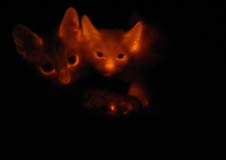
Korean scientists have created fluorescently modified cats in the body, to find ways to treat genetic diseases in humans. This has caused cats to glow in the dark when e…
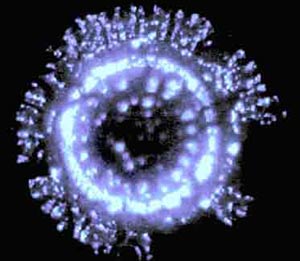
On the night before landing on the Americas, Christopher Columbus saw
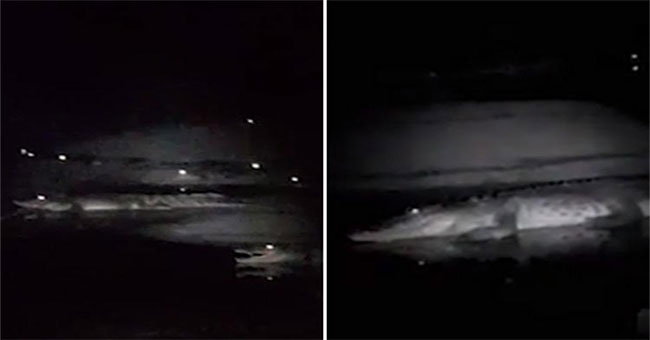
Arash Tayebbi fishermen are fishing at 1:00 am at the Shady Camp canal in the Northern Territory, Australia, startled to find a swarm of saltwater crocodiles surrounding.
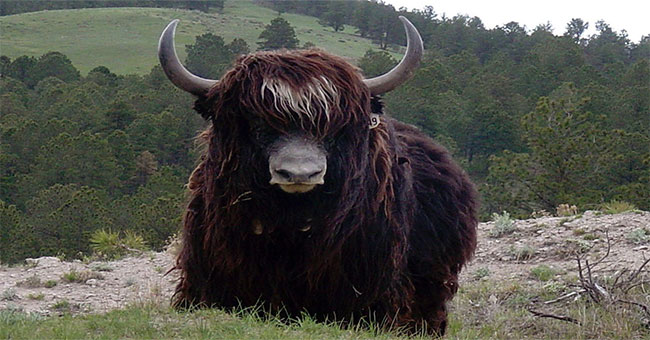
From the cow's milk lamp that lights up all night in the temples, the greasy cow's milk tea expresses hospitality, the Tibetan nomads can process everything with cow's m…
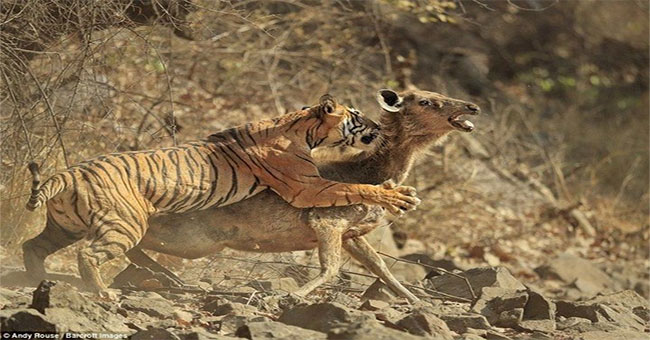
The expansion of humanity is pushing mammals such as deer, tigers and bears, ... which work mainly in the daytime to go to foraging at night.

Birth and death is something that is almost out of human reach. Therefore, we have no way to recover those animals
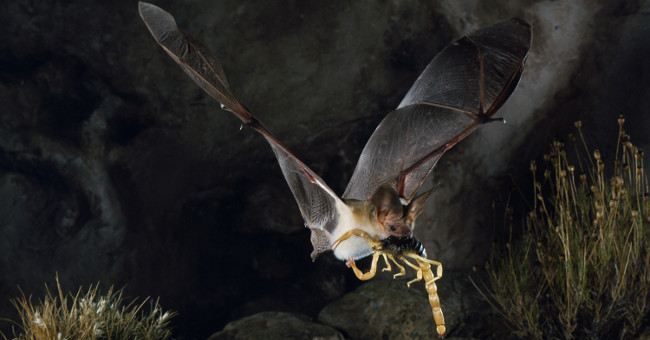
In southwestern North America, pallid bats spread out across the night sky to lodge prey, using large ears to listen to the sound of prey fleeing in a hurry.

Some animals have the ability to survive and grow in areas with the driest and hottest environments on Earth.