Space science
Amazing astronomical phenomena in May
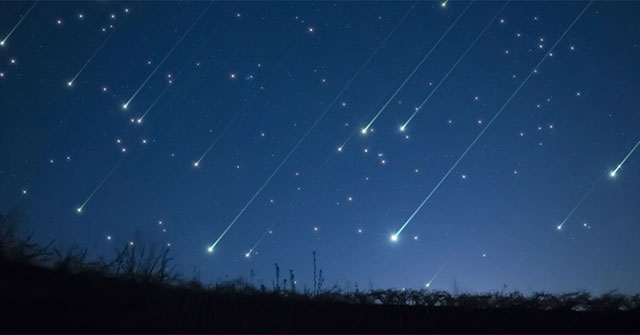
The Eta Aquarid meteor shower reaches 60 meteors per hour at its peak, which will take place in May. Along with that is the New Moon phenomenon, Mercury is at its maximu…
Browse ScienceInfo articles and explainers related to Night.
1,232 published items.
The Eta Aquarid meteor shower reaches 60 meteors per hour at its peak, which will take place in May. Along with that is the New Moon phenomenon, Mercury is at its maximu…

A mysterious fireball lit up the Chinese sky before shattering and disappearing, leaving many witnesses extremely surprised.

Despite pessimistic predictions, the Japanese SLIM probe achieved the miracle of reviving three times after spending the lunar night in temperatures of -183 degrees Cels…
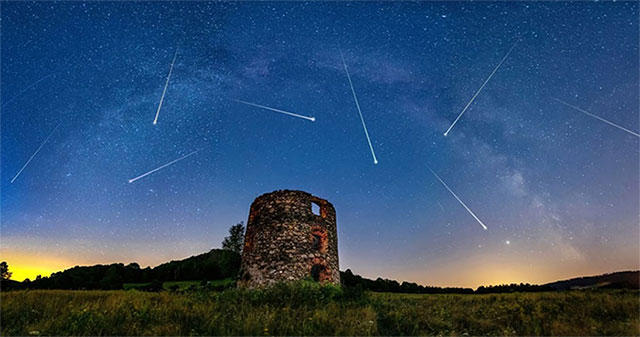
Lyrids is the world's first recorded meteor shower: From 687 BC, by Chinese astronomers.

On the evening and night of April 22, the North had scattered showers and thunderstorms. During thunderstorms, there is a possibility of tornadoes, lightning, and hail.…

Surely when we were in school, at least once we heard the name Gauss and were told about the anecdotes or theorems that this prodigy left behind.

In an ancient city in eastern Ethiopia, people fed hyenas in return for helping them clean the streets and ward off demons.

Blog Capture The Atlas on May 25 announced the outstanding works in the Milky Way Photographer of the Year 2021 photography contest.

A recent study shows that we feel many times older than we actually are when we lose sleep. This negatively affects physical and mental health.

There is a very catchy name for this psychological effect. Scientists call it

A photographer shares a glowing streak of dashes in the night sky above Arizona after part of a Falcon 9 rocket fell back to Earth.
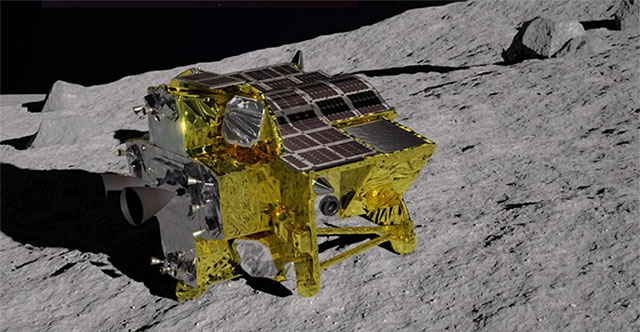
(JAXA) on April 1 announced the country's Smart Lunar Research Lander (SLIM) once again
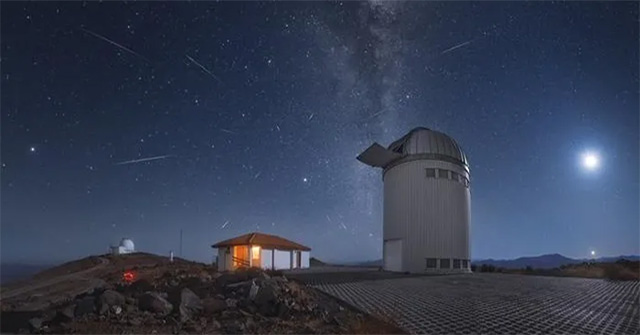
The Lyrids meteor shower takes place every year from April 16 to April 25. This year's peak falls on the night of April 22 and morning of April 23, giving astronomy love…

According to NASA, three rockets carrying many devices will fly into the sky on April 8, while the United States is covered by a total solar eclipse.