Environment
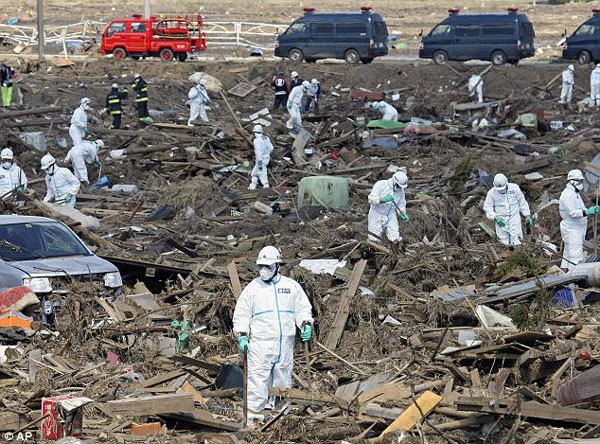
Japan concluded the cause of the accident in Fukushima
The lack of preparation and failure to respond to incidents is the cause of the nuclear crisis in Fukushima.
Browse ScienceInfo articles and explainers related to Nuclear.
1,147 published items.
The lack of preparation and failure to respond to incidents is the cause of the nuclear crisis in Fukushima.
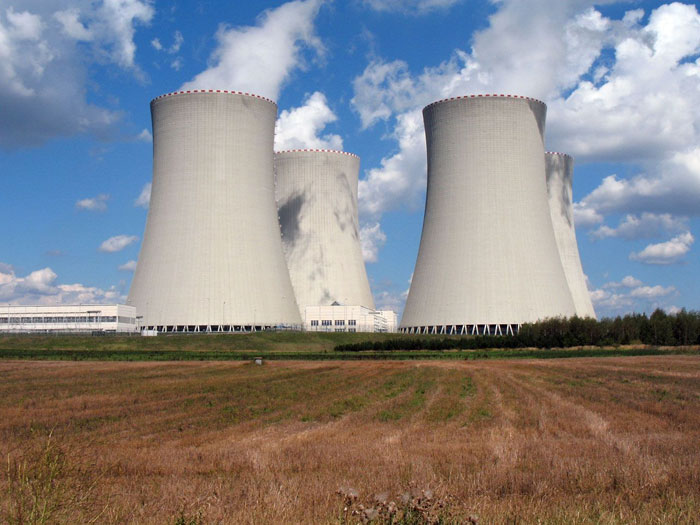
In 2011, the Russian atomic energy industry reaped many achievements by undertaking a policy to improve the safety of existing nuclear plants and build new plants with t…
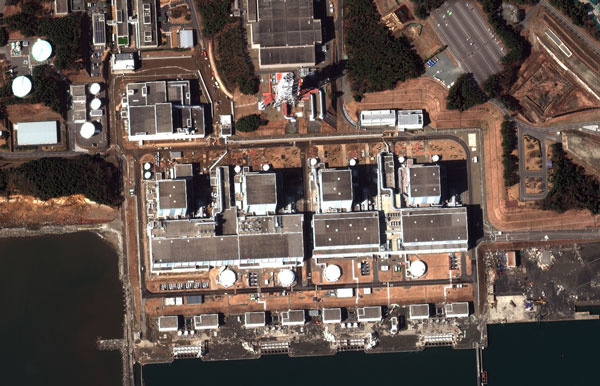
According to AFP, Prime Minister Noda will hold a press conference at 18:00 (local time) with the press and media of this country, to announce the closure of the Fukushi…

A package of radioactive isotopes for research and medical purposes was seized at an airport in Moscow, when it was about to leave for Iran.
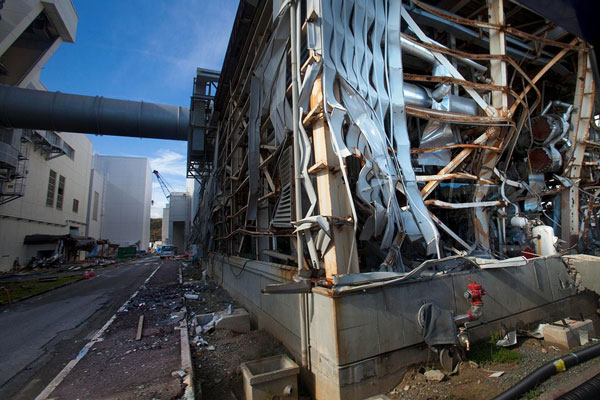
Japan yesterday announced that the reactors at the nuclear power plant affected by the tsunami had achieved status
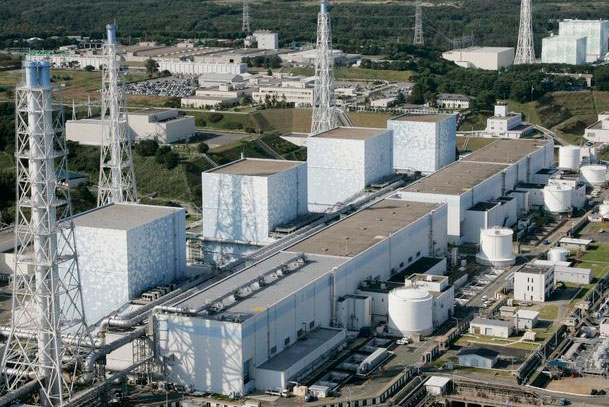
Waste water containing radioactive materials from Japan's Fukushima I nuclear power plants leaked to the Pacific Ocean.
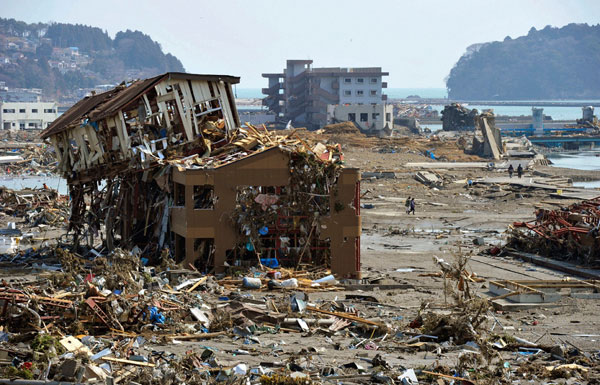
The earthquake in March created two tsunamis and they overlapped, causing the level of devastation to skyrocket when the waves hit the shore.
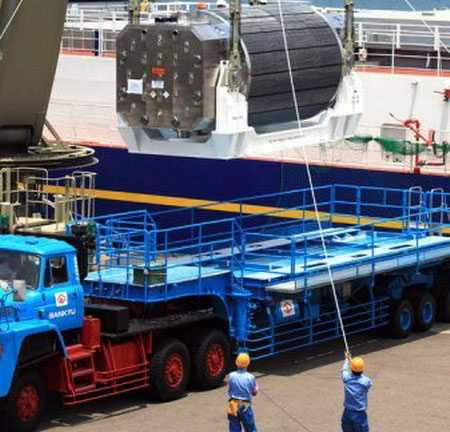
Genkai nuclear power plant in Saga Prefecture, south of Kyushu region (Japan) has leaked 1.8 million tons of radioactive water from the cooling system, but has no enviro…
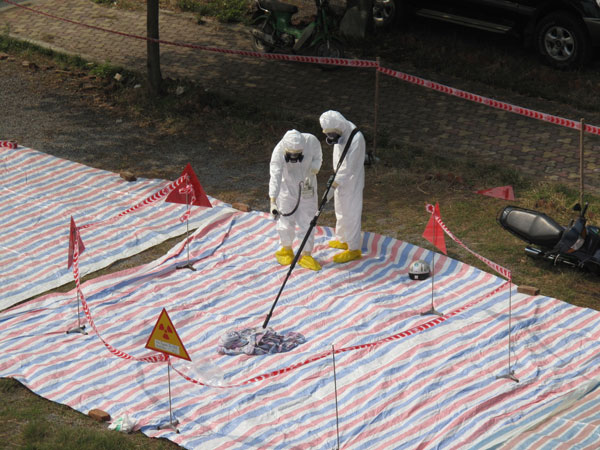
Scientists at the Dana-Farber Cancer Research Institute in Boston have successfully developed treatment, which can increase the chances of survival for high-concentratio…
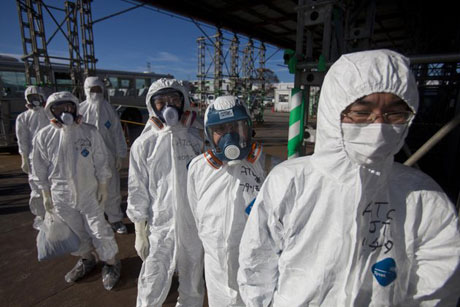
Japanese scientists say most of the radioactive material released from the Fukushima nuclear power plant has fallen into the sea and circulated around the planet.
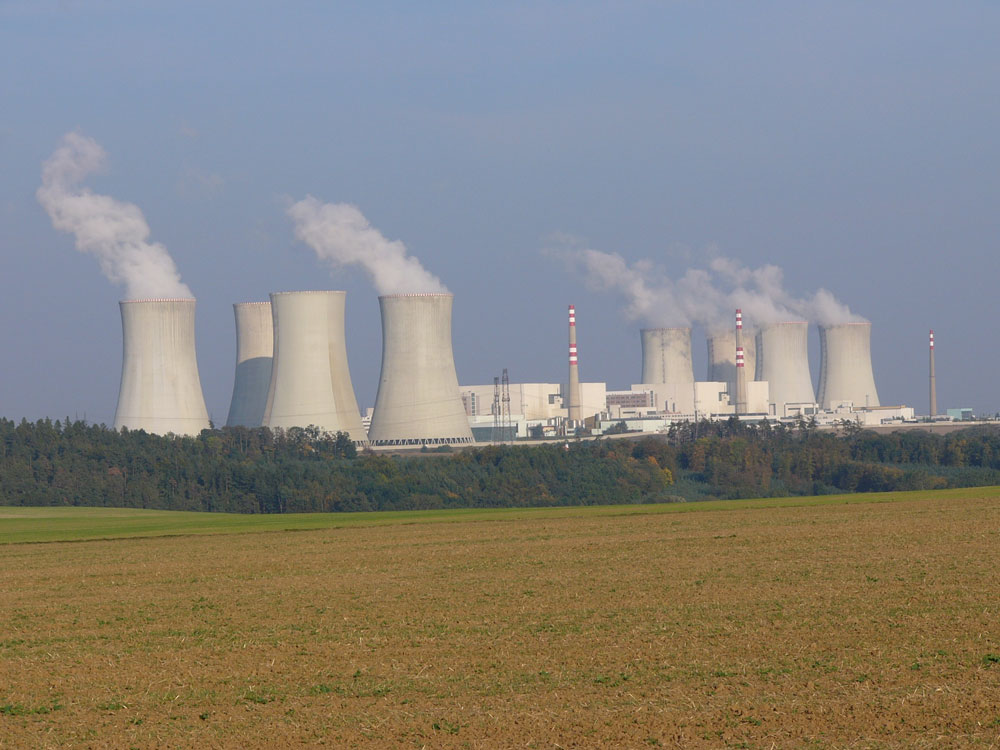
Humans still need nuclear power to meet the growing demand and mitigate the impact of climate change, the International Energy Organization (IEA) said.
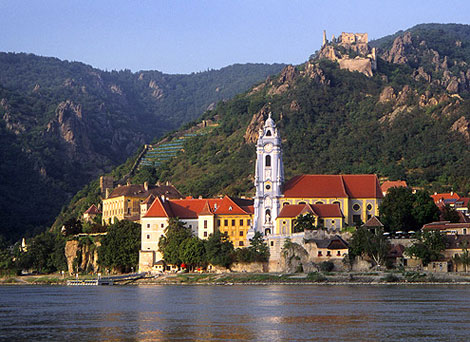
Officials in some European countries have reported that they have detected a radioactive isotope in the air but have not found a source.
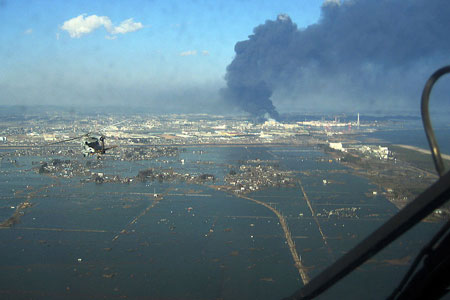
The Fukushima I plant incident was devastated by tsunamis / earthquakes in March, pouring a lot of cesium 137 into the sea and this is the biggest oceanic nuclear radiat…
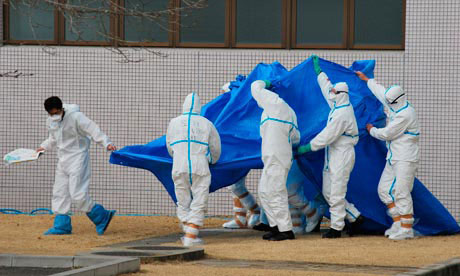
An expert panel of the Japan Atomic Energy Commission concluded that the Fukushima nuclear power plant could only stop completely after at least three decades.
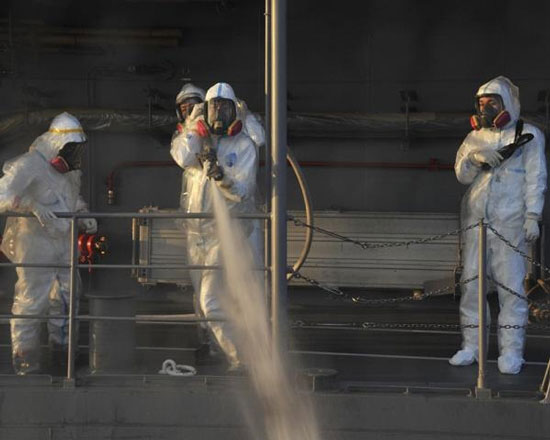
There are some signs of nuclear decay that may have occurred at the Fukushima I power plant. But the Japanese nuclear agency later confirmed there is little possibility…