
Biology
Infiltrate the world of bacteria inside the human body
The human body is home to trillions of bacteria, but we cannot see them.
Browse ScienceInfo articles and explainers related to Number.
2,042 published items.
The human body is home to trillions of bacteria, but we cannot see them.
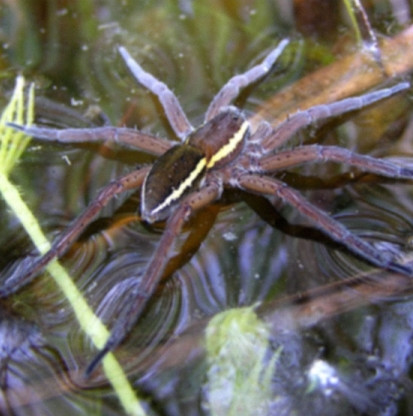
The giant spiders eat fish (fen raft spider) as big as the hand of luck escaping the danger of extinction in recent times.

Dr. David Bramwell conducted the survey by summing up the number of flowering plants of each region, focusing on species that appear only in a country or an island. Plan…
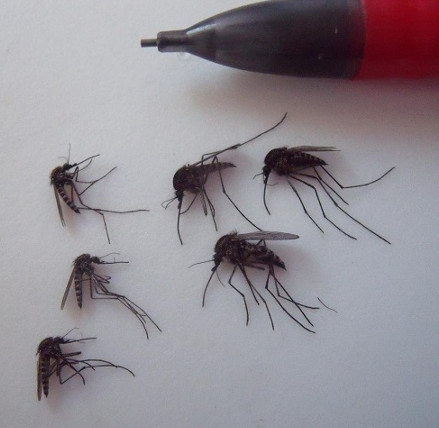
Warming temperatures in the Arctic are helping the giant mosquitoes here to flourish and flourish in numbers, potentially threatening to become pandemics in the near fut…
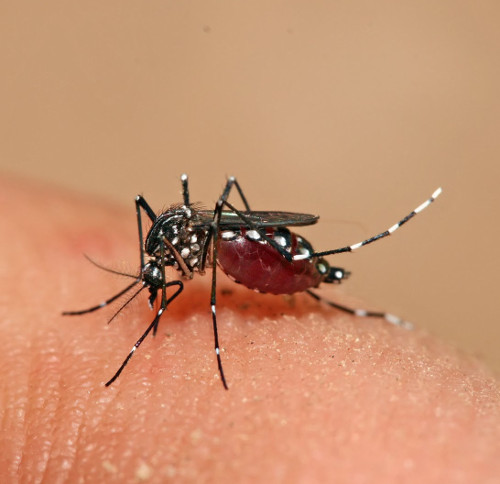
Dengue fever spreads through mosquitoes, but the strange thing is that Vietnamese scientists are trying to breed this type of mosquito and release it into the environmen…
According to a global survey by Yale University (US), since human civilization began, the number of trees on Earth has decreased by half.

In an effort to ensure global food security, 10,000 new seeds from around the world were sent to the anti-apocalyptic hatchery in the Arctic.
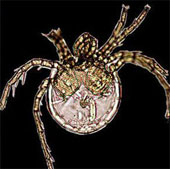
Researchers have named a number of species after President Bush, singer Shakira or actress Angela Jolie.
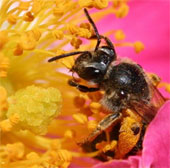
The venom from one of the world's most poisonous spiders may become a biological insecticide that kills harmful insects, but does not affect bees - one of the
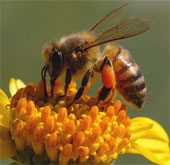
The International Union for Conservation of Nature (IUCN) has warned that nearly a quarter of European bees are facing extinction.
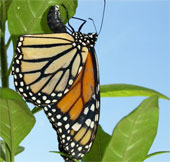
For many butterflies, finding a place to stay and rest is not easy. Deforestation, drought, and global temperature changes are greatly affecting their habitats.
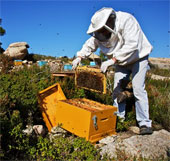
When comparing the number of beehives with bee pollination demand in 41 European countries during 2005-2010, scientists found that the number of honey bees cannot meet t…
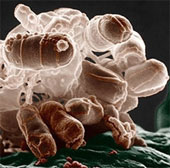
Animal studies found that intestinal bacteria can be used to treat obesity and type 2 diabetes.
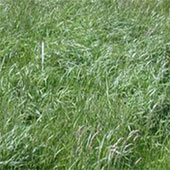
Scientists from the British Biotechnology Research Council and a number of other research institutions have hybridized long-tail buffalo tailed grass and turf grass to c…

Mary Wolfe, an environmental researcher at Temple University in the United States, and Jeremy Mennis, a professor of geography and urbanism, decided to study the impact…