Space science
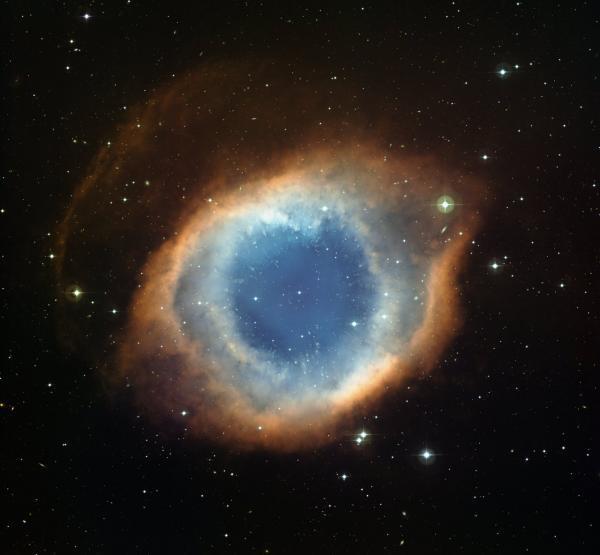
The eye of the Helix Nebula
The large market camera of La Silla Observatory (ESO) has just captured a picture of Helix planetary nebula.
Browse ScienceInfo articles and explainers related to Object.
1,859 published items.
The large market camera of La Silla Observatory (ESO) has just captured a picture of Helix planetary nebula.

Japanese scientists are planning to build a kind of kamikaze (named after the pilots of Shen Feng in World War II), tasked with cleaning up debris in the universe.
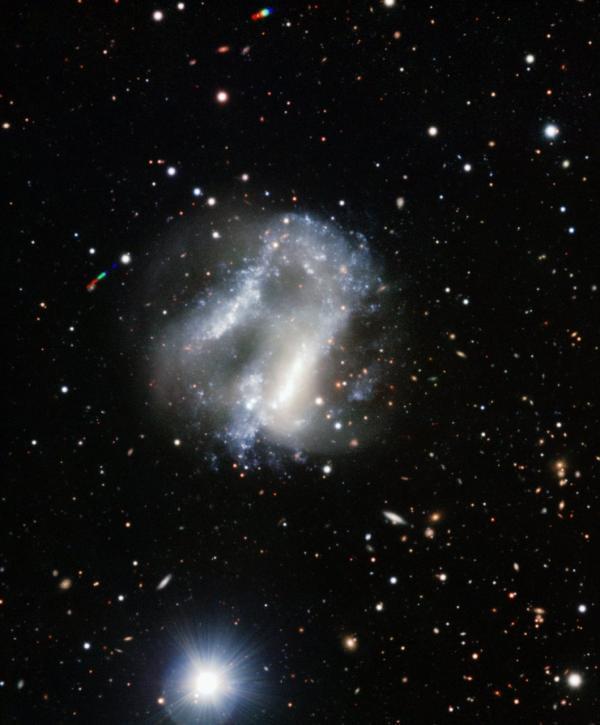
Extremely large telescope ESO has recently taken an unprecedented picture of the two mixed and chaotic galaxies.

Astronomers reported that an asteroid the size of a 10-storey building has just passed through the globe.
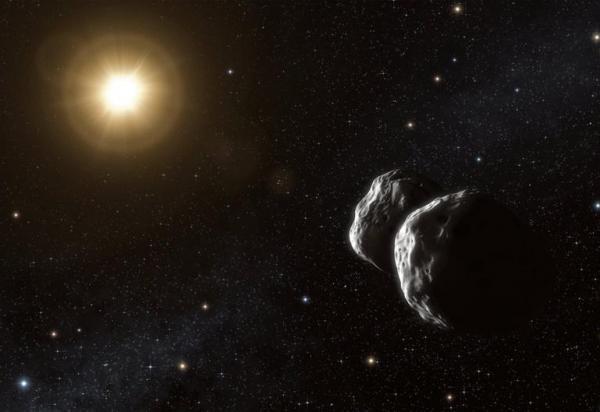
Marco Delbo from Côte d Observatory 'Azur, France, spoke about the research he directed:' Knowledge of small planets' sizes and shapes is crucial in understanding how to…
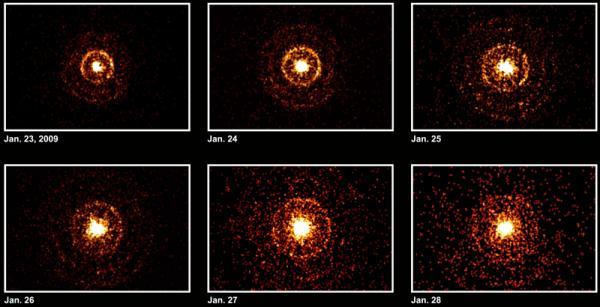
Astronomers use NASA's Swift satellite and Fermi Gamma Ray Space Telescope to observe explosions from the rest of a star 30,000 light-years away.

NGC 2264 is located 2,600 light-years from Earth in the faint constellation Unicorn of Monoceros, not far from the familiar Hunter constellation of Orion.
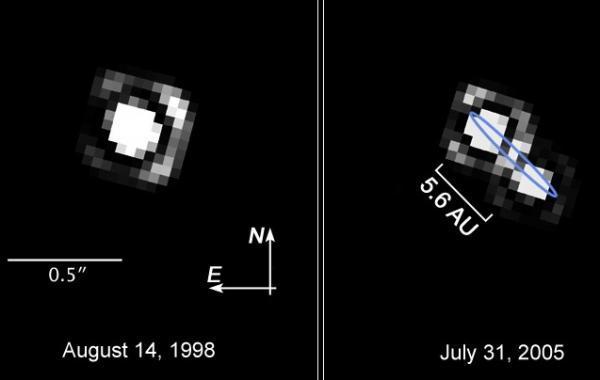
Brown stars, objects smaller than stars but larger than planets, are becoming more and more confusing, according to a study of 233 star systems of NASA's non-gina Hubble…
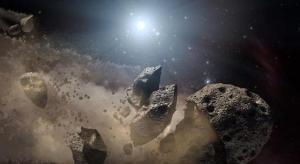
Astronomers used unexpected objects to study the development of planets - dead stars.

Observed from Earth, Cassiopeia A object, the remains of a star block exploded 330 million years ago, looking like a colorful ball.
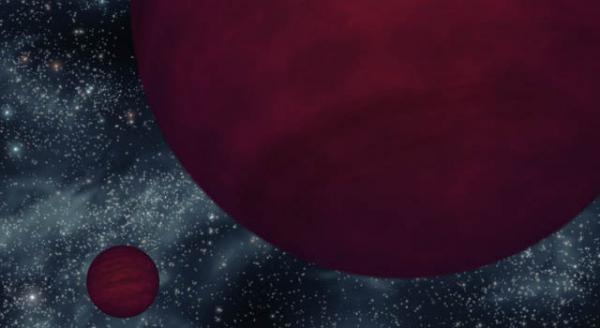
The object that holds the record for the darkest star-like object in the universe is a twin star
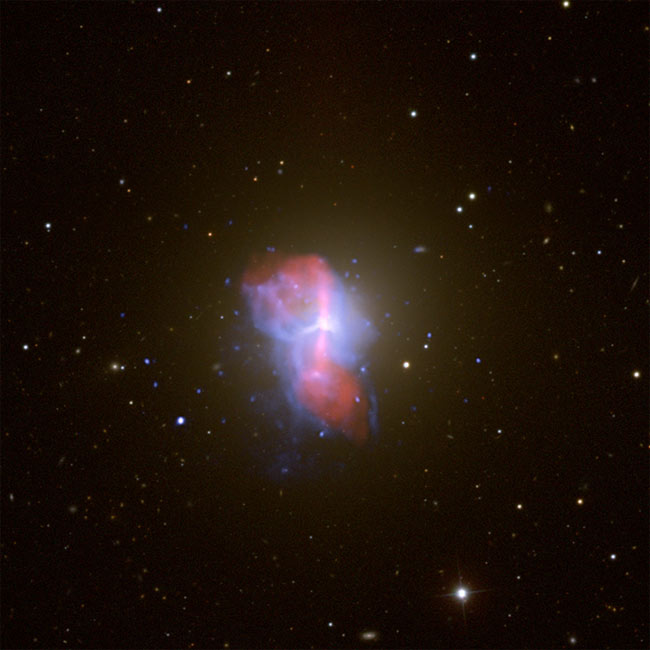
Like bubble objects in the universe, some black holes also
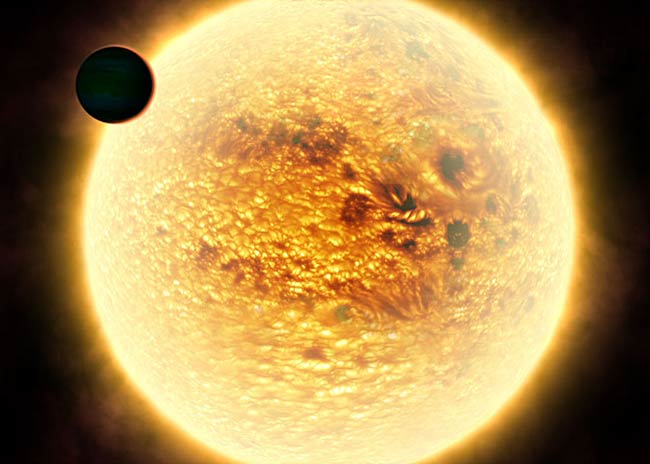
In the hunt for extrasolar planets, a new finding often sets new records.
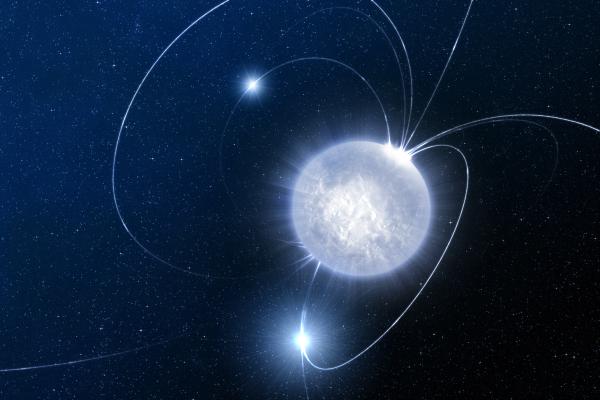
Astronomers have discovered the most bizarre cosmic object flashes 40 times before disappearing. It is possible that this is a missing link in the neutron star family, t…
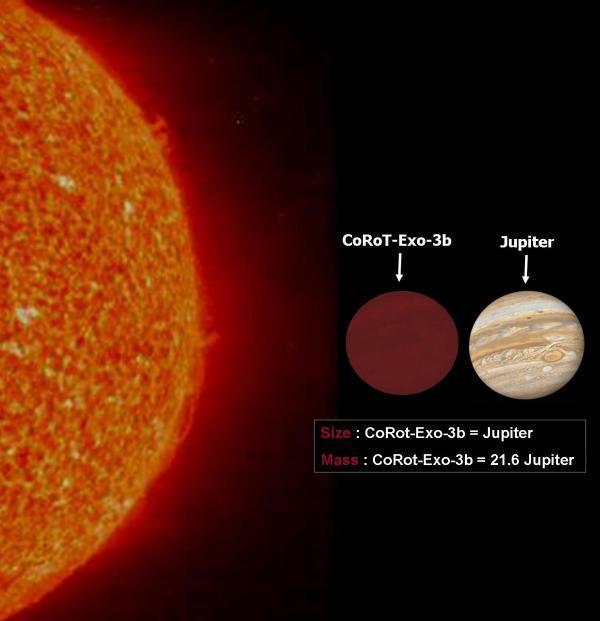
The European COROT spacecraft has detected an object the size of a planet that orbits its star with close proximity.