Biology
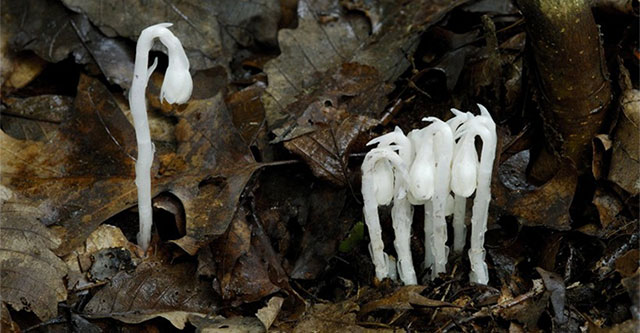
Mysterious 'ghost' tree lives without photosynthesis
Containing no chlorophyll and requiring no sunlight, the ghost tree hides deep in the dark forests of Africa and Asia.
Browse ScienceInfo articles and explainers related to Parasitic.
171 published items.
Containing no chlorophyll and requiring no sunlight, the ghost tree hides deep in the dark forests of Africa and Asia.
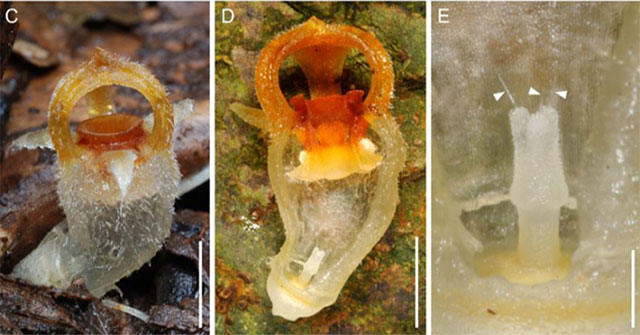
A mysterious plant with lantern-like flowers, declared extinct in 2010, has been rediscovered in Hyōgo Prefecture, Japan.
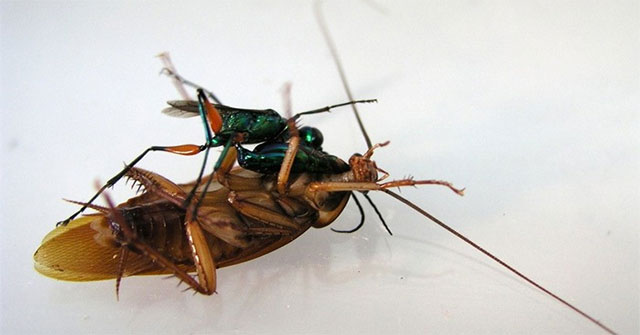
By the time the cockroach finished cleaning its body, the emerald wasp's venom had completely taken over its will.

The ALMA radio observatory in Chile's deadly Atacama Desert has just collected incredible data from a pair of giant planets bound together in a single orbit.
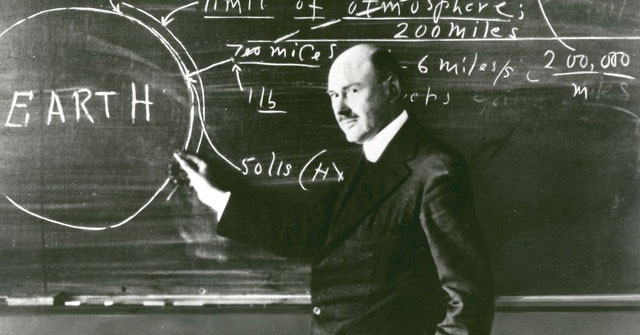
Robert Hutchings Goddard was an American engineer, professor, physicist, and inventor, considered the creator and builder of the world's first liquid-fueled rocket engin…
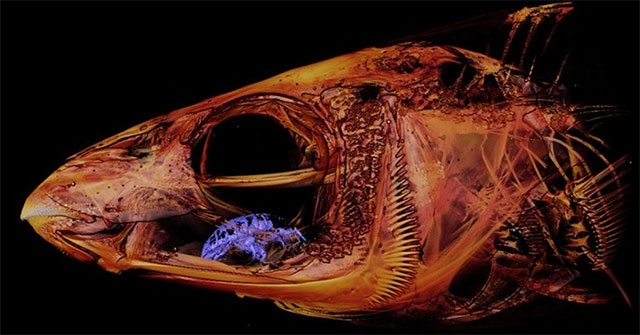
When scientists X-rayed the head of an elmfish, they discovered a parasitic crustacean that had eaten the amputated and replaced the host's tongue.
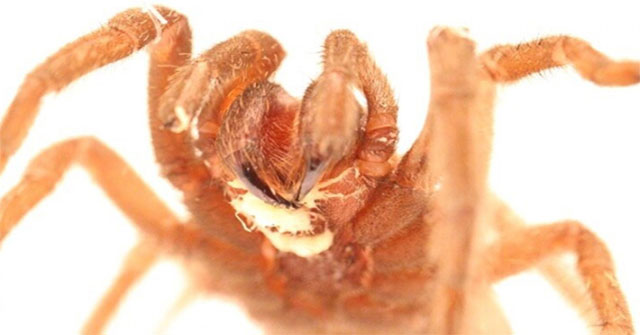
When infected with worms, the tarantula spider will stop eating and may exhibit strange behaviors such as tiptoe. It can fast until it dies...
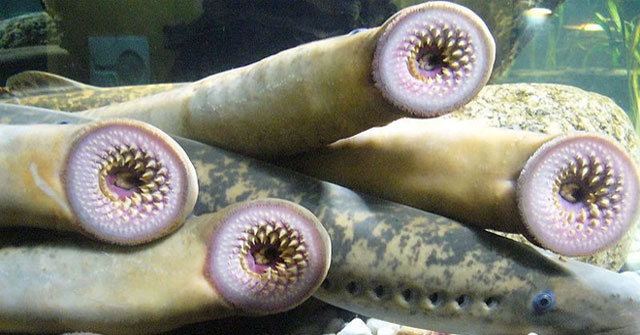
Fortunately, sucking blood is not in the program of this robot.
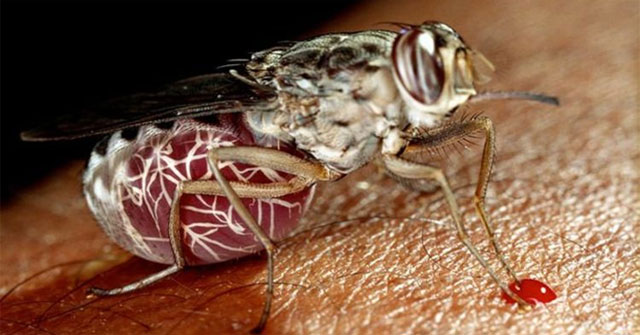
Scientists are extremely concerned about a dangerous parasitic disease that is threatening the lives of millions of people across Africa.
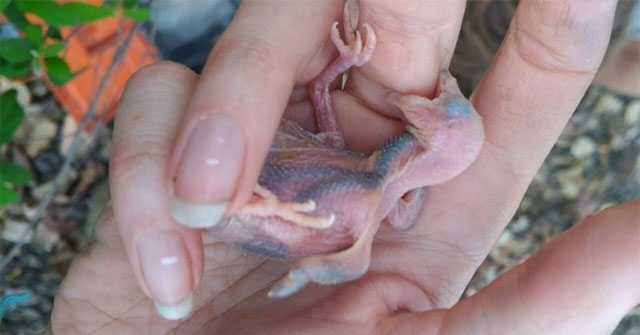
These particular birds belong to a group of parasitic (also known as egg-laying) species.
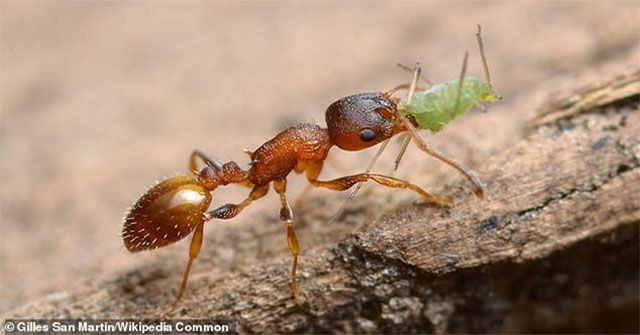
Parasites often cause trouble for the host, but the tapeworm Anomotaenia brevis infesting ants keeps the host young and healthy.
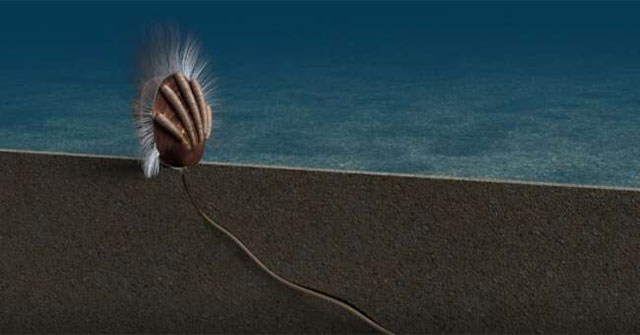
The oldest known fossil evidence of parasites was discovered by a team of scientists in Yunnan, China.
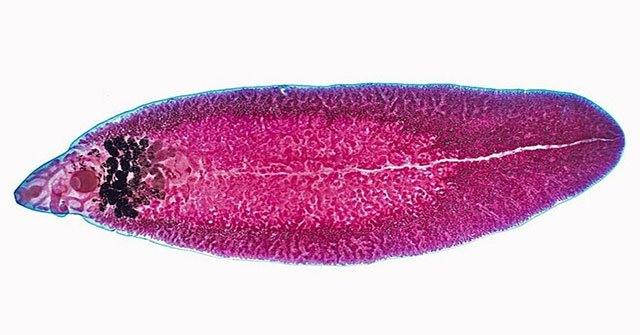
Flukes multiply in the bile ducts, causing pain, inflammation, bleeding, biliary tract cancer, worse than liver abscess ...

Research published November 11 shows that the link between leeches and freshwater mussels has developed over millions of years.
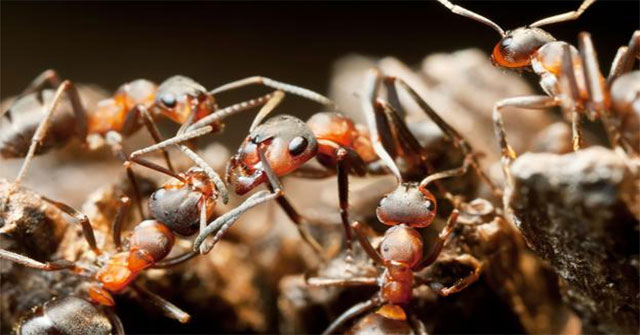
Kidnapping ', which seems to exist only in humans, also appears in insects, particularly ants.