Space science
The LHC accelerator starts to rest
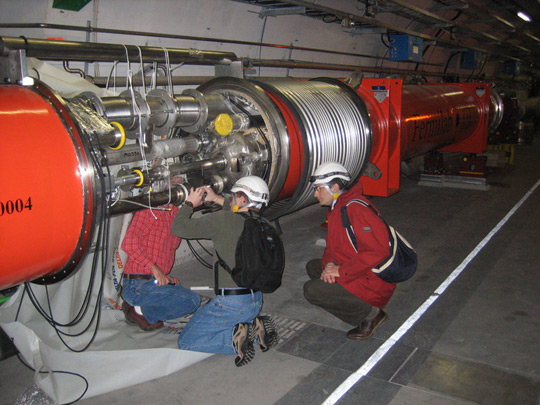
On Monday, December 6, 2010, scientists stopped all experiments on the world's largest particle accelerator LHC. On the website of the LHC, there are large words
Browse ScienceInfo articles and explainers related to Particle.
803 published items.
On Monday, December 6, 2010, scientists stopped all experiments on the world's largest particle accelerator LHC. On the website of the LHC, there are large words
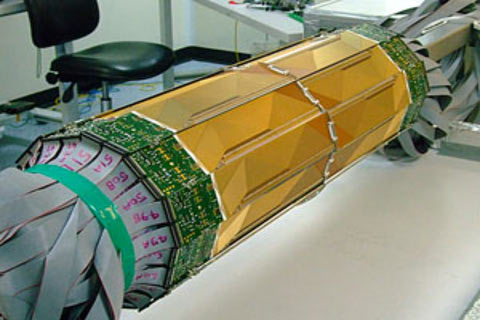
Reuters on December 6 said that European scientists have just announced the creation and capture of antihydrogen atoms in an ideal magnet tube.
The night sky in December will welcome the most glorious meteor shower in 2010, with the only eclipse of the year, promising to be more attractive than the fireworks dis…
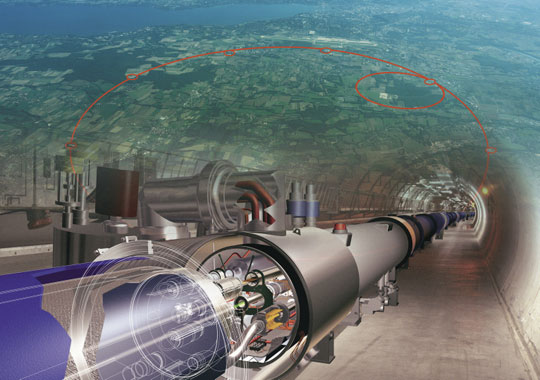
Right after the Big Bang, the universe was just a very hot liquid, with temperatures higher than 10,000 billion degrees C.
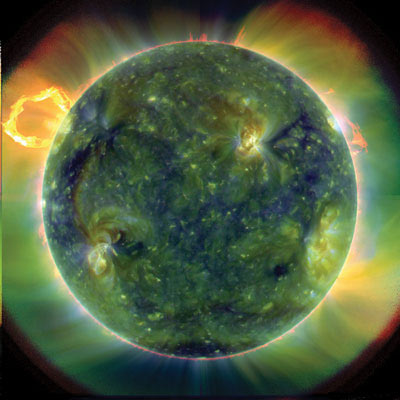
The most beautiful sun is the most dangerous time. It is then that we see the light of the sun shining down on the earth in the form of light in the north and south, app…
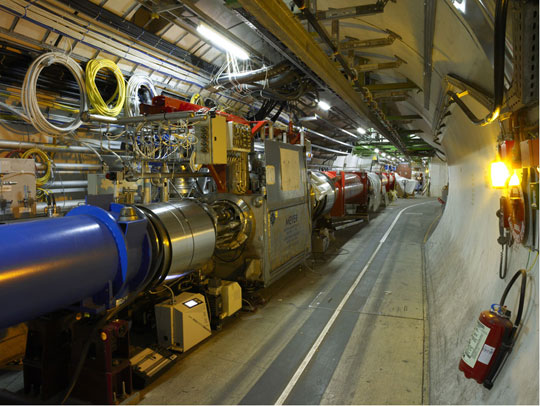
Successful implementation of inter-collision experiments
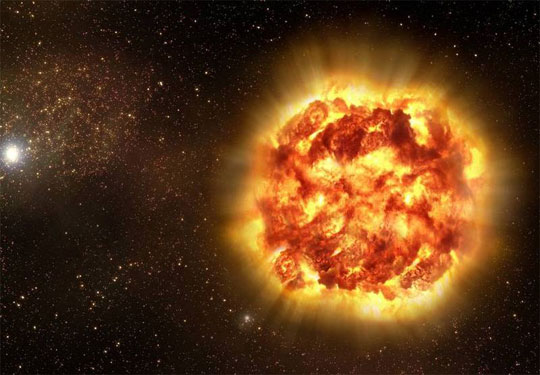
When you were a kid, did you ever try to crash two toy cars to see what happened? If so, you have understood somewhat the principle of operation ...
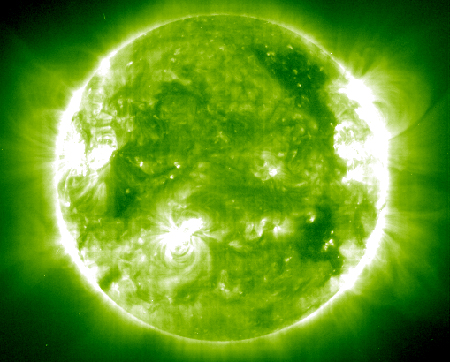
If the sun actually releases mysterious particles to the earth, we will have to rewrite the textbooks for students.

The world's largest particle accelerator is accelerating faster than expected and may soon unravel the universe's deepest mystery.

People in high latitudes can admire the aurora of wonders tonight, after the cloud of particles carries charge from the sun into our atmosphere.

Although they are bright stars, supernova cannot create the heaviest elements.

The proton is much smaller than the size still used and mentioned in previous physical studies.

Scientists at the European Center for Atomic Research (CERN) have created 10 million explosions in a large particle accelerator in a week.

Italian scientists say they have for the first time observed Earth neutrinos (antiparticles coming from the Earth's core) in the laboratory.

The European Atomic Research Organization (CERN) has successfully conducted experiments to create a direct collision between proton particles producing extremely large e…