Discover science
The most unique healing technique in the human world
Using urine, bee venom ... are the terrible things that the ancient people do with patients in the hope of cure some diseases.
Browse ScienceInfo articles and explainers related to Patient.
2,638 published items.
Using urine, bee venom ... are the terrible things that the ancient people do with patients in the hope of cure some diseases.

What happened to the woman whose blood poisoned Gloria Ramirez caused many scientists a headache and to this day has not adequately explained.
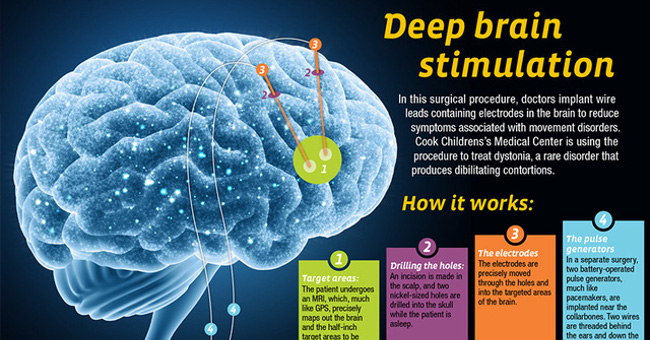
Still using brain stimulation by attaching electrodes to a certain part of the brain, two diseases, Alzheimer's and depression, may also be gone.
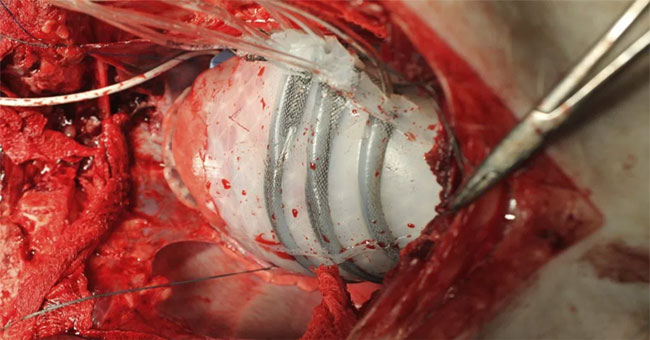
The new experimental robot model from scientists at MIT (USA) hopes to provide a better chance of survival for patients with heart failure.

The world's leading technology company is known for its unique and hiring recruitment questions that make candidates think hard.

Understanding the relationship between weather and pain will help scientists find new ways to treat and relieve pain.

This odd act is of no use or just one way

Today, the deductive method of detective Sherlock Holmes, a fictional character of Conan Doyle, is still being studied by neuroscientists.

The death so far is still defined by mass as something very scary.

Humans are often attracted to deadly films like The Walking Dead or How to Get Away with Murder, but few know what actually happens when they die. The body has quite int…
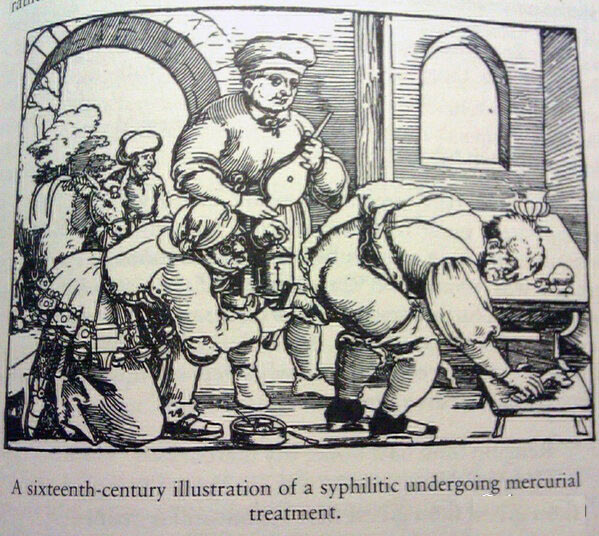
Drinking contaminated water, injecting mercury ... are the methods of treatment that make patients sick

Why can't dementia patients remember their names and addresses, but can they remember how to hold a fork? That's because memories are formed in different circumstances,…

After clinical death, many patients recovered and recounted the strange experiences after
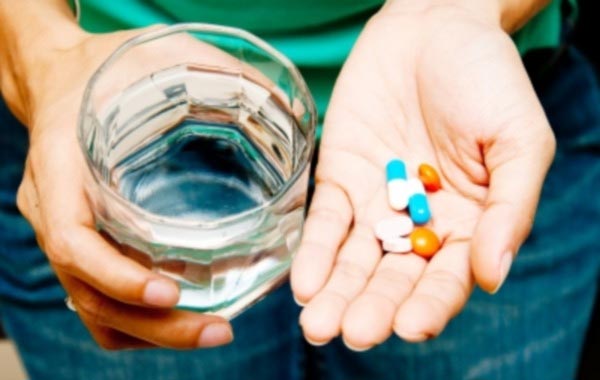
Some people may be genetically programmed to feel better after taking placebo pills, while others may only heal with real pills, according to a new study.
History has recorded many brutal experiments on the human body, on behalf of scientific purposes.