
Biology
Sunlight can reduce the amount of bacteria in your home
A team of researchers from the University of Oregon concluded that places in the house exposed to sunlight are likely to contain fewer bacteria than dark places.
Browse ScienceInfo articles and explainers related to Place.
1,910 published items.
A team of researchers from the University of Oregon concluded that places in the house exposed to sunlight are likely to contain fewer bacteria than dark places.

Chess is really a sport. Do not believe it? A new technology that has just been applied to this intellectual game will reveal the amount of calories burned by athletes i…
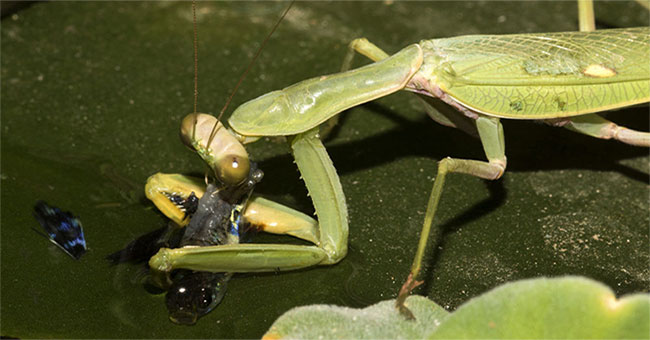
Biologists have discovered that in India there are mantis species that do not hunt other insects, but catch larger prey on the lake.
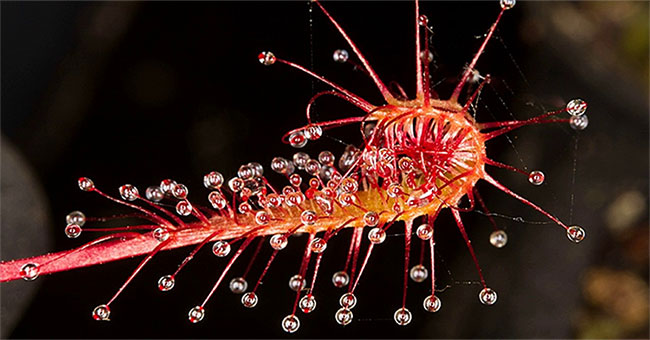
Despite having to remain in one place and unable to move flexibly like an animal, many plants are a formidable
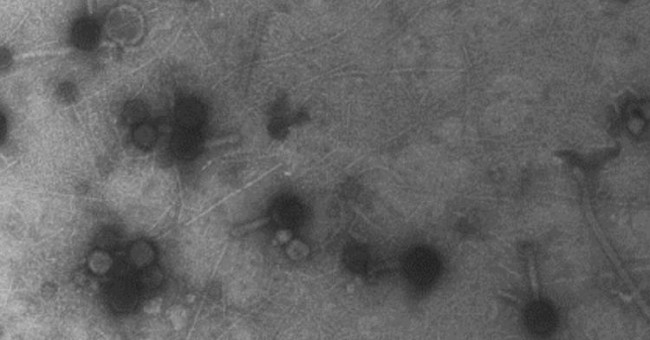
The Earth until now is still the only place in the universe capable of nurturing life.
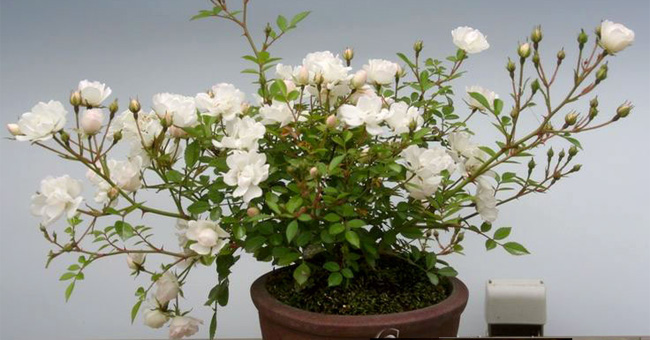
Planting flowers from potatoes, surely you do not believe. Normally, referring to potatoes, surely people will think of fried and fried dishes. But besides being a food…

The international workshop on kissing bugs in Vietnam took place in Hanoi from June 17 to 21, which is a very meaningful activity, after stink bugs appeared massively in…
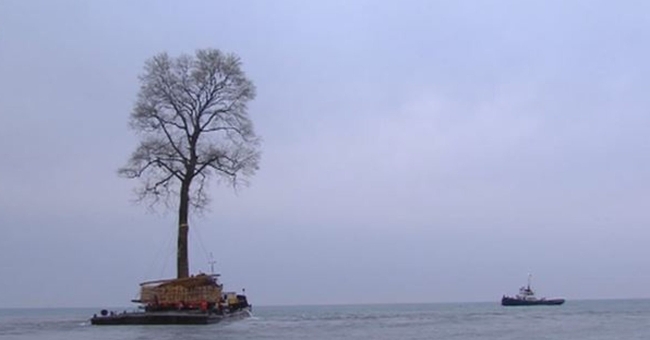
An ancient golden incense tree 40 meters high and weighs 650 tons is transported from Tsikhisdziri village along the Black Sea coast with barges to a new park in Georgia.
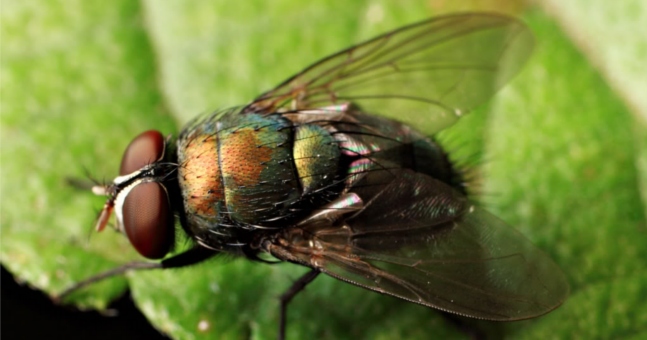
There is nothing more annoying when your house and dishes are
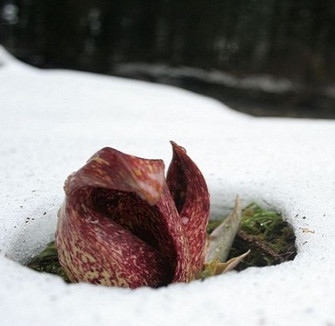
Around the place where skunks grow up, there is usually a small pool of water, made of ice and snow melted by the heat of the trunk.
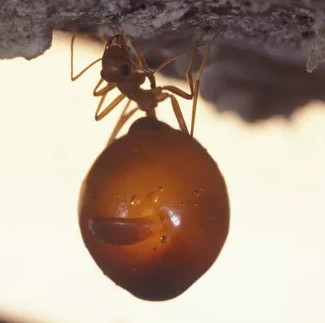
Ants - ants look like bees but not bees, thought to be honey but ... are not honey.
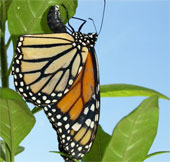
For many butterflies, finding a place to stay and rest is not easy. Deforestation, drought, and global temperature changes are greatly affecting their habitats.
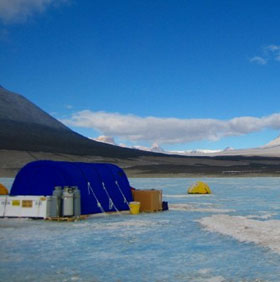
Scientists have recently discovered that ancient bacteria live beneath the icy surface of the Antarctic lake
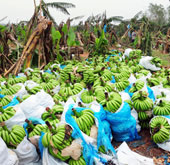
Global warming can cause bananas to take the place of potatoes to become essential foods for hundreds of millions of people.
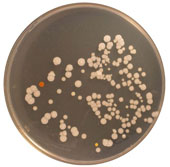
Human umbilical cord is a place to support a microbial ecosystem, very similar to the biodiversity of tropical forests, according to a new study.