Space science
How is the age of the universe calculated?
The universe is about 13.8 billion years old, but how do we know that?
Browse ScienceInfo articles and explainers related to Planck.
39 published items.
The universe is about 13.8 billion years old, but how do we know that?
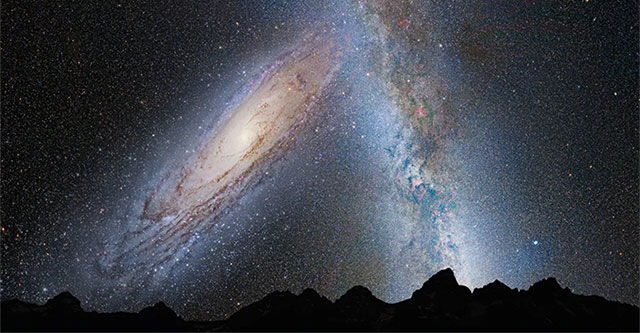
Researchers at Germany's Max Planck Institute for Astronomy have identified 'strong candidates' that could be evidence of the early days of the Milky Way.
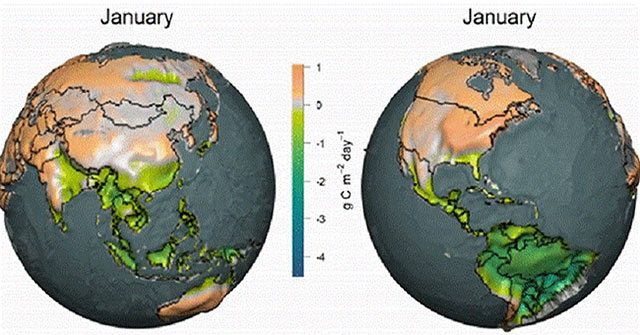
This graphic by a researcher at the Max Planck Institute shows how plants on Earth take in and release carbon with each season.
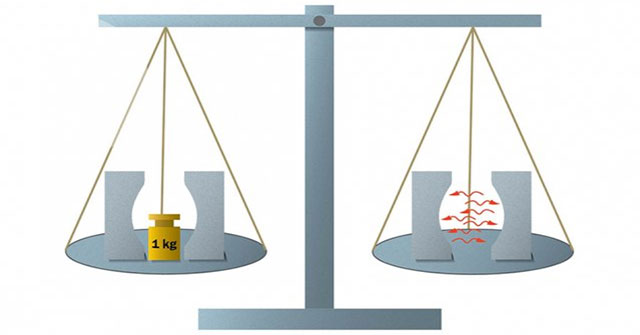
Since ancient times, the concept of kg has been defined by a cylindrical platinum-iridium alloy block, called Le Grand K and protected in a basement in the suburbs of Pa…

For over 100 years, Paris has been the home of Le Grand K - a metal block that defines the exact weight of a kilogram.
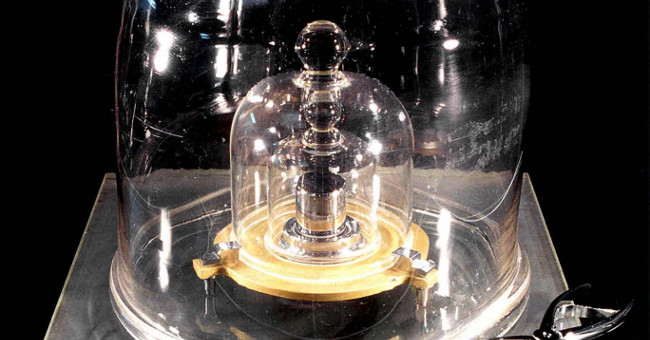
The inconvenience in using the one kilogram international standard weight scale IPK forces scientists to find other ways to measure.

A recent report by the Max Planck Institute in the Netherlands shows, the word

The question is very silly, but this is the main topic discussed by scientists at the Royal Scientific Conference held in London.

Marine microbiologists from Max Planck Research Institute, Germany, and colleagues have discovered that the process of denitrifying bacteria is the main pathway to the l…
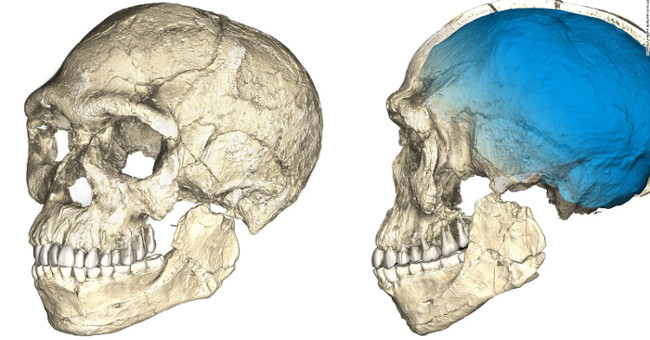
Scientists have successfully unearthed the oldest ancient fossils on Earth in Morocco, helping to bring new discoveries to the origins of humanity.

The study, conducted by the Max Planck Institute for Evolutionary Anthropology and the University of Sao Paulo, shows that these complex funeral rituals were performed f…
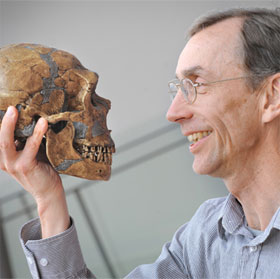
German scientists say they have completed the first high-quality Neanderthal genome decoding work, and are preparing to publish it online for other scientists to study.
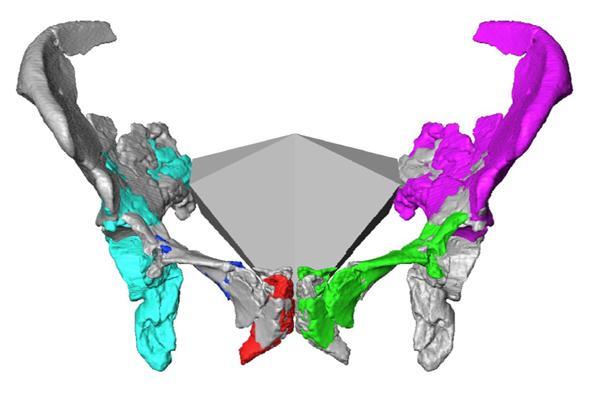
Scientists from the University of California, Davis (USA) and Max Planck Evolutionary Anthropology Institute in Leipzig (Germany) announced the reconstruction of the vir…
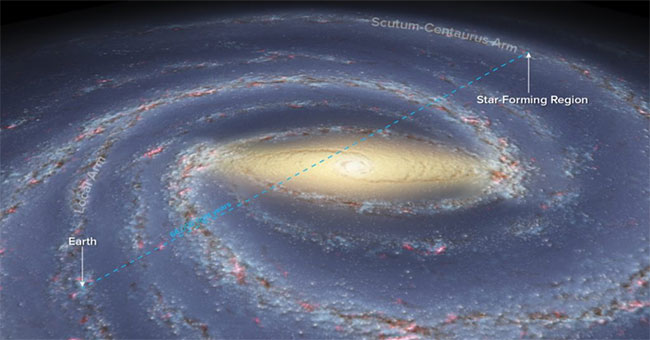
Scientists had a more precise idea to measure the distance to celestial bodies on the other side of the Milky Way than the Earth.
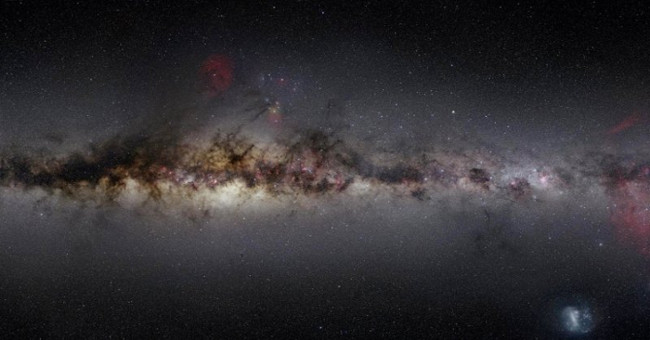
Modern astronomy allows us to have more detailed images of the sky than ever before. The ROSAT, Fermi and Planck telescopes have shown us the universe image through diff…