Oceanography
'Beauty killer' at the sea
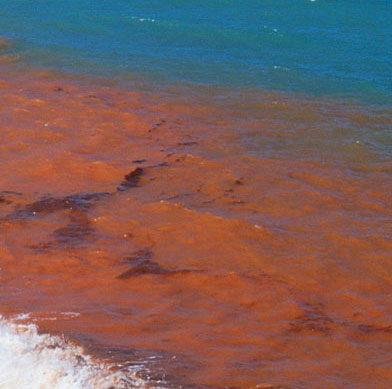
'Red tide' - tiny aquatic organism during algal blooms, can bring about greater destruction than what people think about it, with the possibility of poisoning the entire…
Browse ScienceInfo articles and explainers related to Plankton.
47 published items.
'Red tide' - tiny aquatic organism during algal blooms, can bring about greater destruction than what people think about it, with the possibility of poisoning the entire…
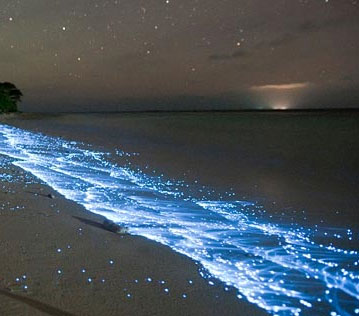
On a moonless night, if you walk to the beach on Vaadhoo Island in the Maldives, the glowing tiny creatures will cling to your feet. In addition, you can see light comin…
According to a new study, plankton play an important role in turning ordinary storms into super storms, and
Scientists from Leeds University have demonstrated that atmospheric acid divides large iron molecules in the dust into tiny dissolved iron particles that plankton are ea…

Research by the University of Liverpool found that the Sahara desert sandstorm helps sustain life across a large area of the North Atlantic.
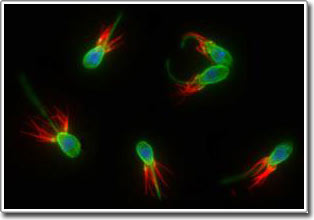
The newly established genome of a plankton, which consists of only one living sea cell, was published on Feb. 14 in Nature. This genome informs scientists about the evol…
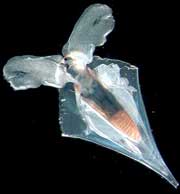
Under the eternal black water of the Bermuda Triangle, scientists have discovered a series of interesting, diverse and eye-catching sea creatures.
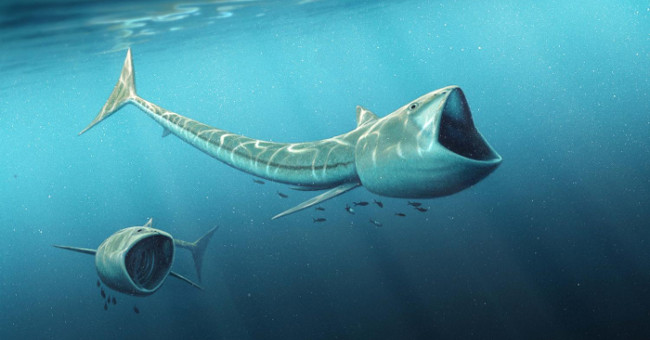
The flat-headed, half-meter-long fish survive in the ocean of 92 million years ago by eating plankton.

The fossil creature shaped like a cigar, lived 520 million years ago was discovered by paleontologist Andrew Smith of the Natural History Museum and colleagues in the se…
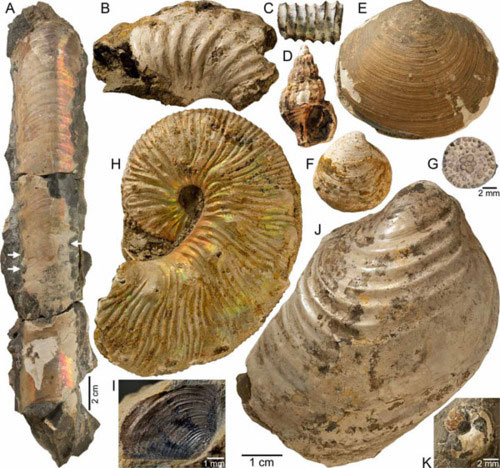
Recently, archaeologists discovered an ancient set of fossils, which existed about 65 million years ago. The fossil set is found in South Dakota and North America cliffs…
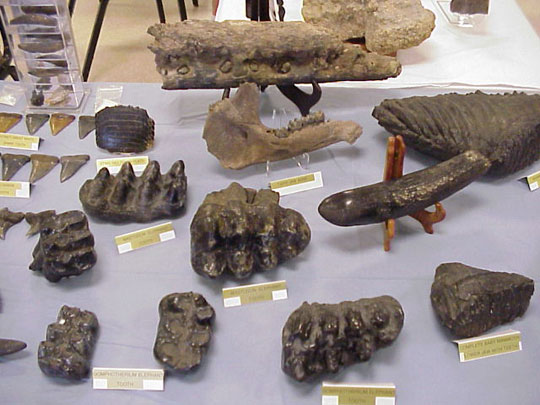
Scientists have discovered a large amount of mollusc creature dating back about 500 million years near Table Mountain, South Africa.
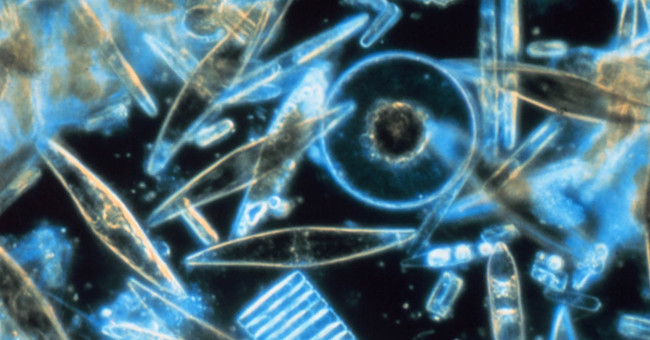
Although plankton are very small in size, they play a huge role in ecosystems - they can even tell us about climate change.
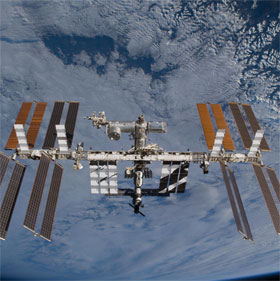
Scientists have discovered traces of living organisms that live on the surface of the International Space Station (ISS).

A new study has shown how marine plankton affects the process of creating clouds and regulating the climate on the Earth's surface.
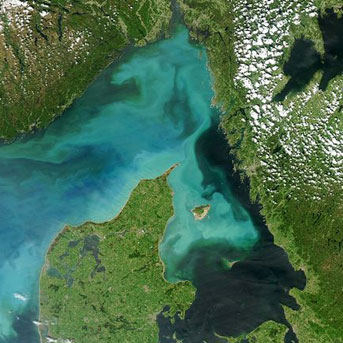
Susanne Menden-Deuer, a marine expert at the University of Rhode Island in the US, and her colleagues observed Heterosigma akashiwo, a microalgae, in the lab. Livescienc…