Biology
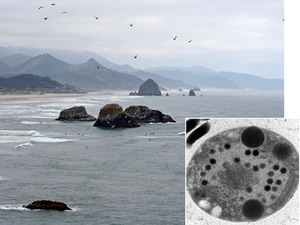
Discover the world's largest, most complex virus strain
The Cafeteria roenbergensis virus can represent an extremely large virus strain that has never been known and plays an important role in ecosystems.
Browse ScienceInfo articles and explainers related to Plankton.
47 published items.
The Cafeteria roenbergensis virus can represent an extremely large virus strain that has never been known and plays an important role in ecosystems.
People often divide insects into two types that are useful and harmful. However they are all links of diversity ...
Plankton are the foundation of the marine food chain, they need sunlight to carry out photosynthesis as well as other nutrients like nitrate, phosphate and iron to feed…
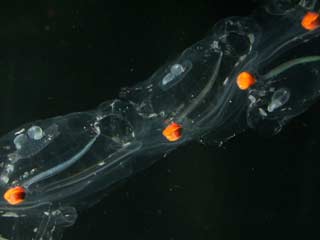
The Salpa aspera scientific creature plays an important role in limiting greenhouse gas carbon dioxide. Biologists discover this creature that looks like this jellyfish…
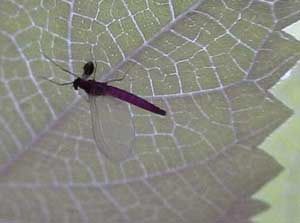
It is said that size does not matter, and this is also true for tiny plankton. These are the living creatures that float freely in the ocean and they are
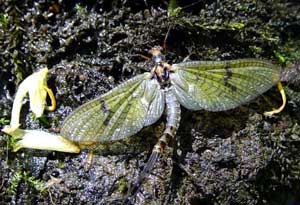
Adult fleets don't live a full day, usually just hours. The adult plankton is short-lived, but the larval plankton live for a long time. Adult mating is finished mating…
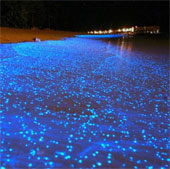
Optical glow is one of the great abilities of all species in nature.
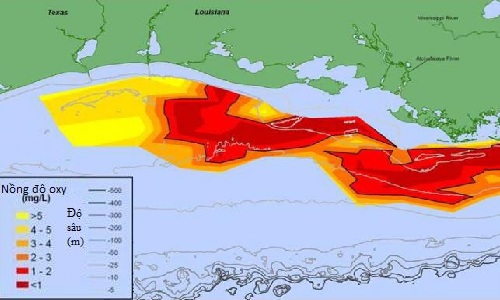
US researchers found that the area known as the
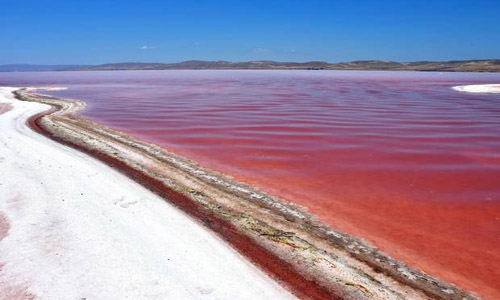
Lake Tuz water in central Turkey turns bright red throughout the summer due to the development of an algae.
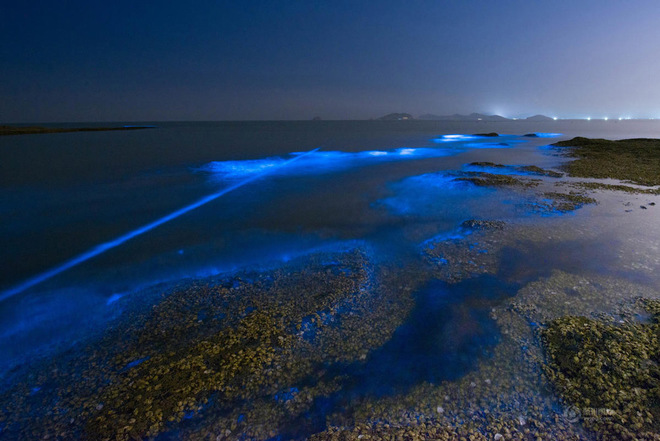
The coast of Dalian City, China on 9 May emitted strange blue light, sparkling like a river.

Rapid climate change on the Antarctic Peninsula has caused simultaneous changes in the region's biological productivity.
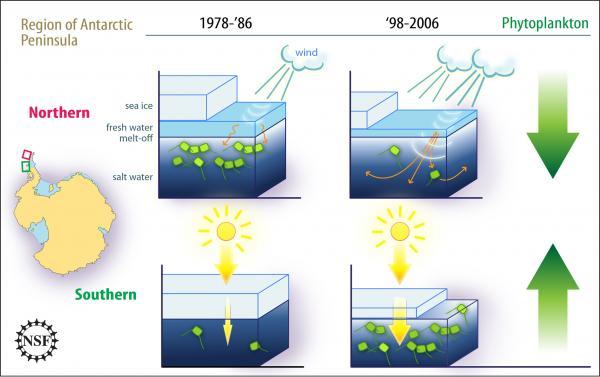
Antarctica has long been thought to be one of the fastest warming locations on Earth.
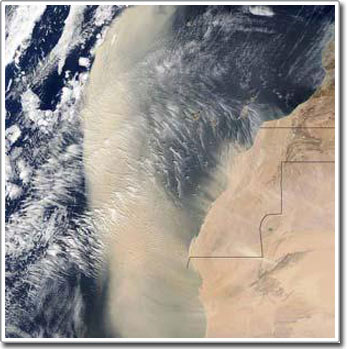
Scientists working on RRS Discovery are studying sand dust from the Sahara desert blown off the coast of Africa and causing an explosion of plankton in the eastern Atlan…
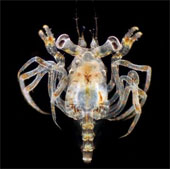
The microorganisms that live in the sea are clearly visible through images magnifying from tens to hundreds of times under a microscope.
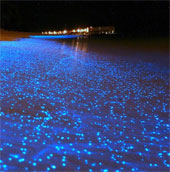
Stunning images capture the glowing blue coast in the dark night by microorganisms.