Space science
Back to the moon
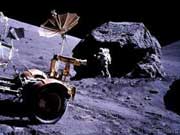
The US Aerospace Agency (NASA) has revealed a detailed plan in its Return to the Moon program, which focuses on bringing astronauts to her north and south poles. HOUR
Browse ScienceInfo articles and explainers related to Pole.
285 published items.
The US Aerospace Agency (NASA) has revealed a detailed plan in its Return to the Moon program, which focuses on bringing astronauts to her north and south poles. HOUR
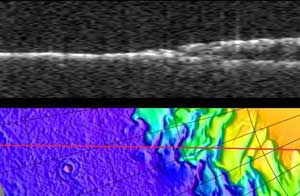
Radar antennas on Europe's Mars Express spacecraft have detected signs of liquid water at a depth of 2 km below the surface of Mars. Marsis antenna was successfully depl…
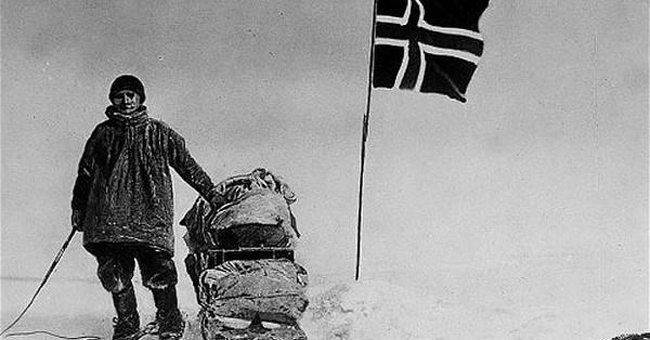
On December 14, 1911, the Norwegian expedition led by Roald Amundsen crossed the mist, cold with the cold wind and plugged the Norwegian flag onto the Antarctic land.

According to the Daily Star, deadly diseases always have a big impact on people. Such a bacterium is currently hidden under the Arctic ice sheet and can rise once the ic…
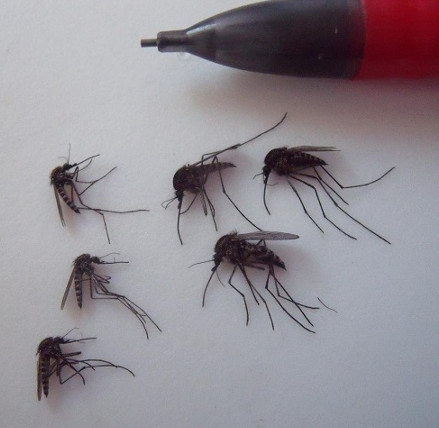
Warming temperatures in the Arctic are helping the giant mosquitoes here to flourish and flourish in numbers, potentially threatening to become pandemics in the near fut…

Cuban scientists on July 16 announced a plant that could be used to produce biofuels. So long, Jatropha tree (also known as fence or stalk tree) produces fruit with seed…
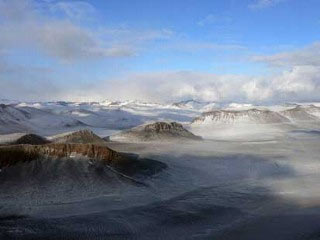
American geological experts have found evidence that barren valleys in Antarctica were once inhabited by moss and insects.
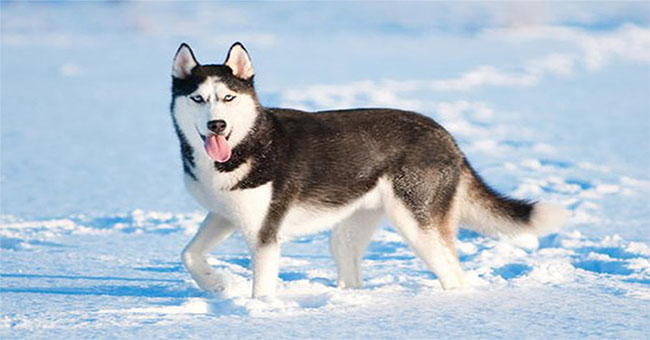
Husky dogs have many different names such as Chukcha, Chuksha, Husky, Icee, Sibe or Husky Arctic.
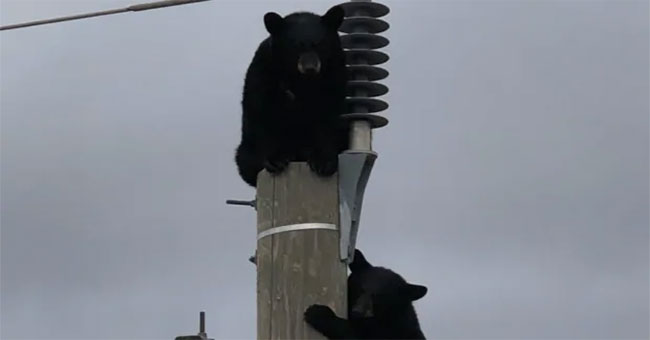
Staff of electricity and gas supply company Manitoba Hydro discovered troubled black bears in southeastern Manitoba province, Canada, on the morning of October 31, CBC r…
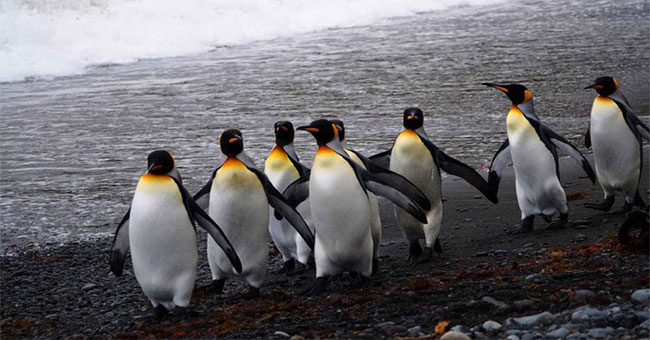
Near the South Pole of the Earth is an island in the Indian Ocean, with the French name Île aux Cochons.
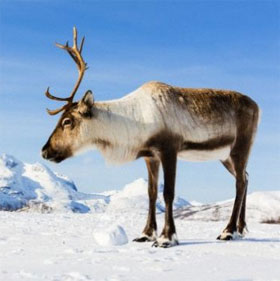
Many people wonder why animals tend to avoid grazing near high voltage poles or cables.
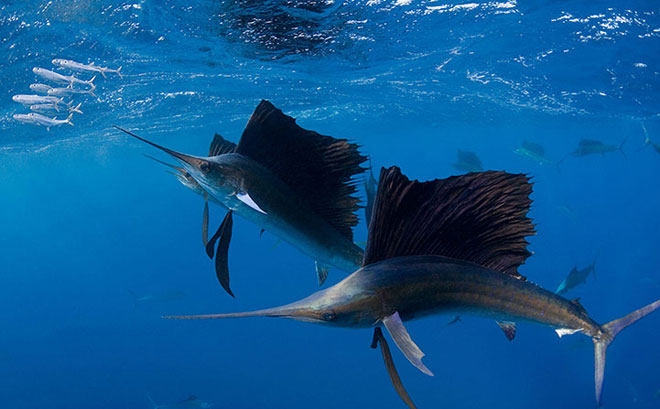
During the time when the London 2012 Olympic Games were exciting in subjects such as running, jumping and boxing, ... IUCN announced plants and animals also have amazing…

Scientists from the University of Manchester, UK have discovered mechanisms to help animals in the Arctic adapt to the day-night movements in the extreme.

While a group of people took photos at the North Pole, the polar bear rushed in and grabbed the camera stand.

The white bear in the North Pole did not show any fear or anger when he saw the conservationist's camera.