Biology
Giant grass threatens America
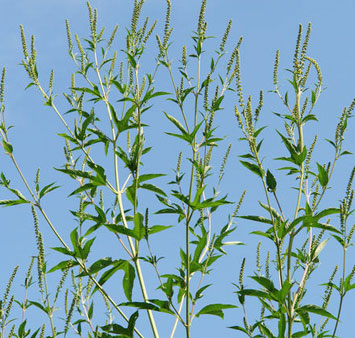
An agricultural group in the United States will ask the US government to approve the use of Agent Orange to destroy giant pollen grass, a plant that is growing very stro…
Browse ScienceInfo articles and explainers related to Pollen.
61 published items.
An agricultural group in the United States will ask the US government to approve the use of Agent Orange to destroy giant pollen grass, a plant that is growing very stro…
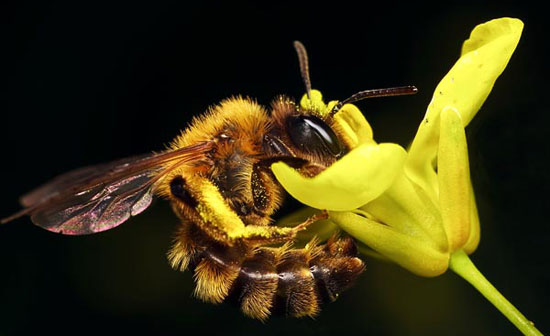
Scientists have found the main cause of the decline of honey bees, threatening the ecological imbalance in recent times is due to a virus spread through the process of p…
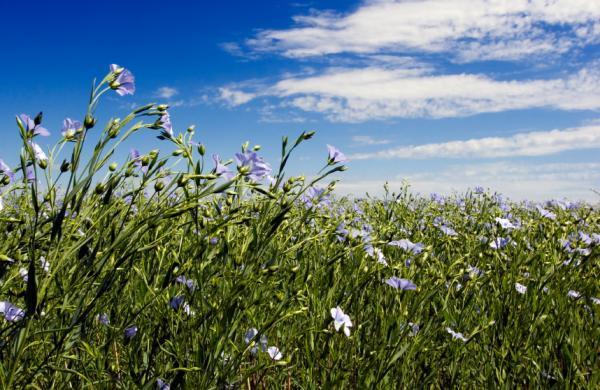
The emergence of many angiosperms (also known as flowering plants) on Earth, especially their rapid spread in the Cretaceous (approximately 100 million years ago) is tho…
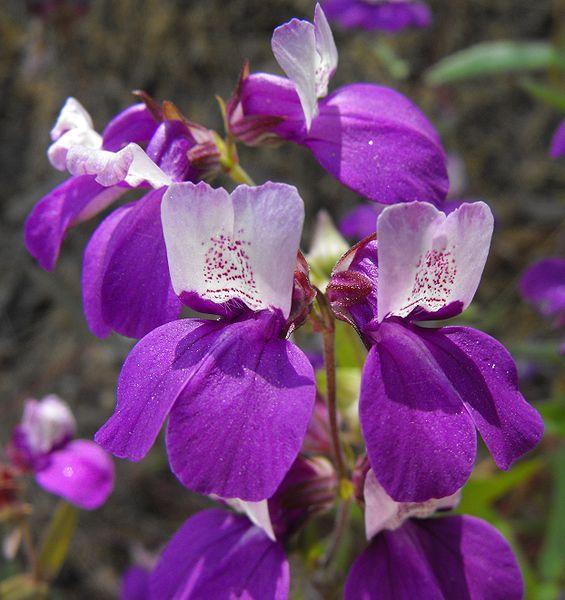
The pollen grains of male plants must live in stiff competition.
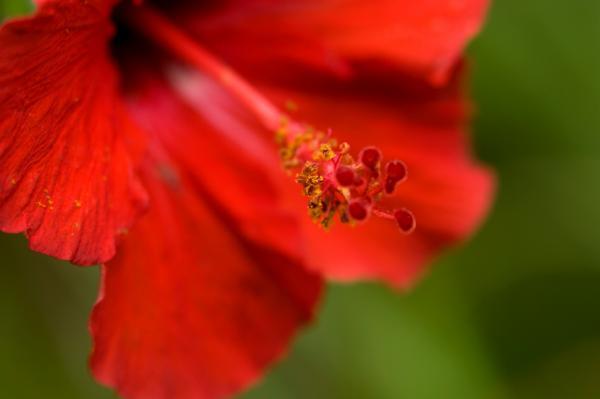
Since there are no eyes and ears, the plant must rely on the interaction of the molecules to determine the appropriate partner to avoid close mating.
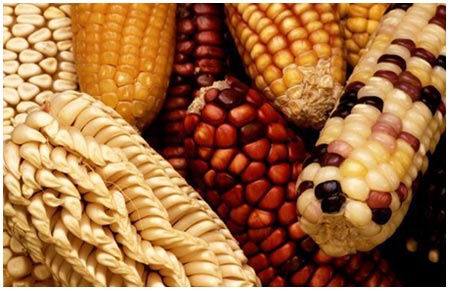
The ancestor of the original corn plant grows wild in completely different Mexico, the modern plant is the most important food source in the world. While the evidence ob…
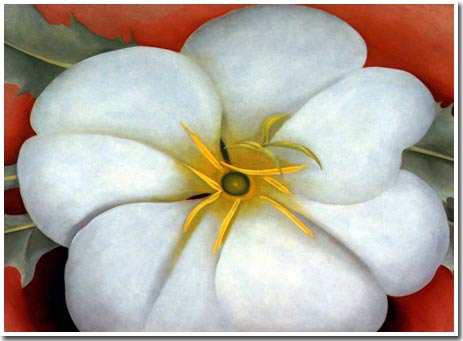

There are many special reproductive solutions that have been conceived in the plant world, through evolution!
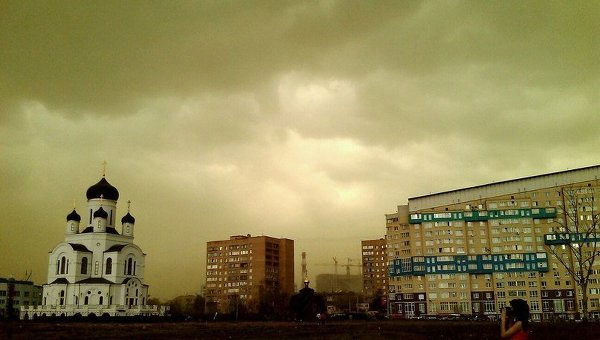
Photos of blue clouds above a park in Moscow city on April 26 were posted on the Internet. A part of the online community thinks they are the result of some chemical pla…
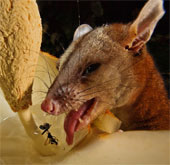
While Balsa trees are a rare and rare species, their flowers also make many species love with many pollen and honey.

Golden monkeys playing around in the forest, the butterflies are engrossed in pollen, the squirrels stretching to sleep in their chairs ... are the most impressive natur…
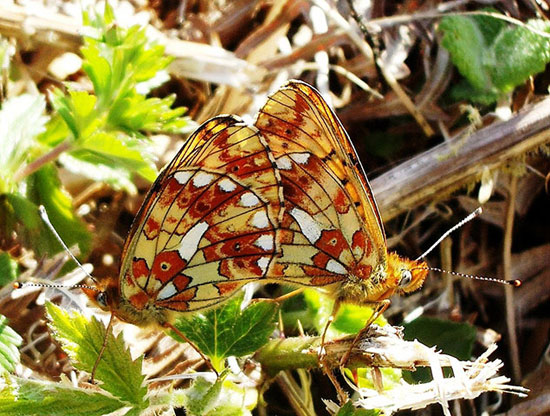
Butterfly bees engrossed in pollen, provincial display of black grouse, sunbathing turtles on rocks ... are the most impressive natural images in the past week.
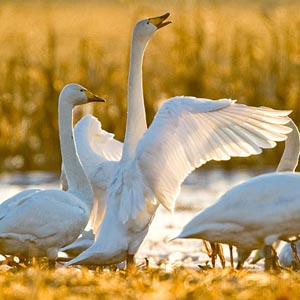
Swans spread their wings under the sunset sun, bees absorbed with pollen, white belly flamingos ... were the most impressive images of animals in the past week.

People with hay fever have a chance to see the pollen grains, their invisible enemies, thanks to the scanning electron microscope.