Discover science
Life is equally amazing between modern people and prehistoric people
Surely you will be amazed at the amazing similarity between the actions and interests of prehistoric people and us.
Browse ScienceInfo articles and explainers related to Prehistoric People.
92 published items.
Surely you will be amazed at the amazing similarity between the actions and interests of prehistoric people and us.
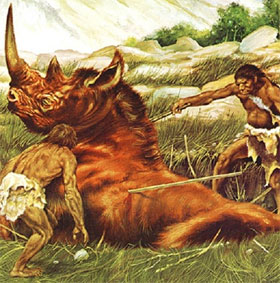
People in prehistoric times who struggled because of the lack of big, stupid Neanderthals or food ... are misconceptions that many people still believe.
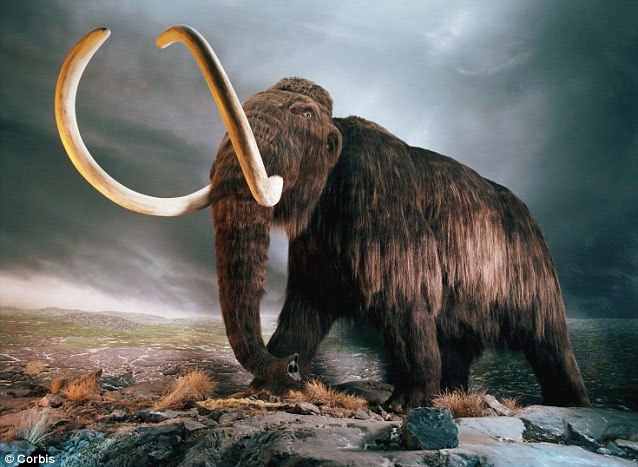
An international team of scientists, led by Dr. James Kennett of the University of California Santa Barbara (USA), has discovered a similar compound of molten glass - fo…
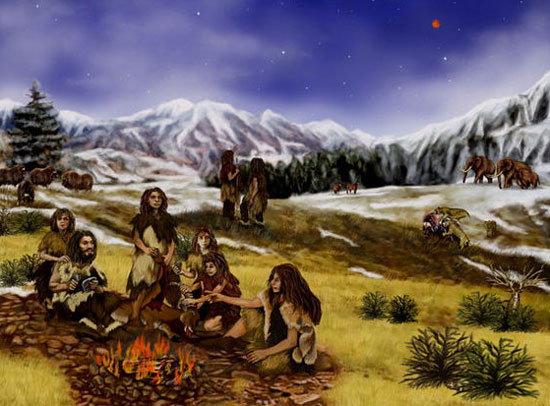
There are many perspectives that have long held that the short legs of Neanderthals were the result of a change to adapt to the cold climate at that time.
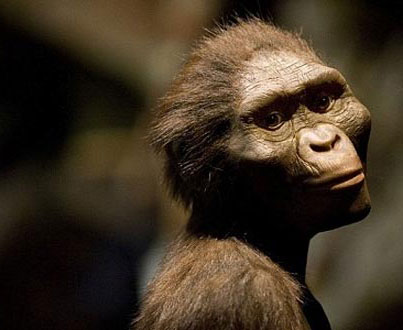
Humans start walking on two legs much earlier than previously thought, according to a new scientific study published.
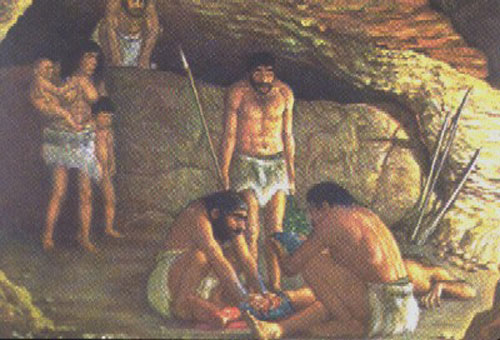
The new method of identifying marks on the bones indicates a history of nutritional supplements by ... eating other people.

The United Nations Scientific, Educational and Cultural Organization has recognized the Archaeological Site of the Sangiran prehistoric people in Indonesia as a World Cu…

An international team of researchers from the Department of Human History at the University of Iena (France), Freie University Berlin and York University have identified…
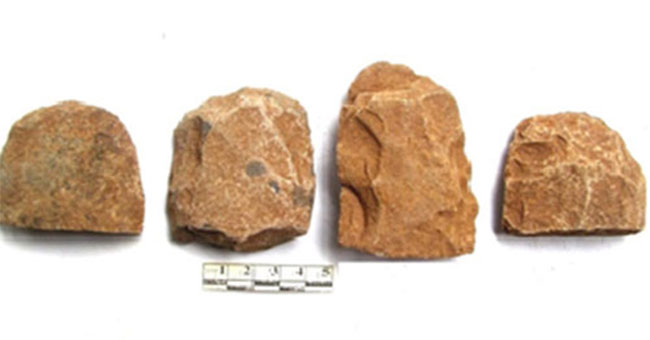
For the first time, Vietnamese scientists found the relics of the late post-Stone cultural inhabitants about 4,000 years ago.
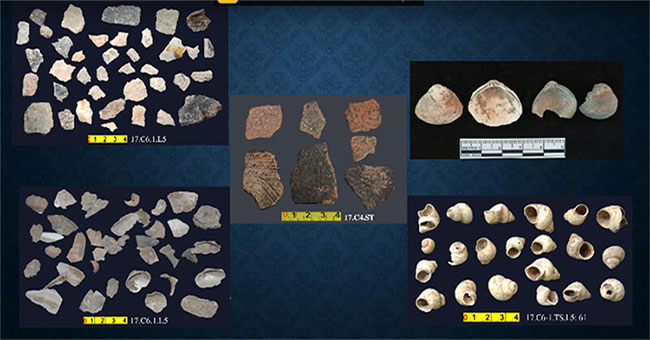
The exploration hole discovered 10 people, including 3 complete remains including 2 adults, a 4-year-old child.
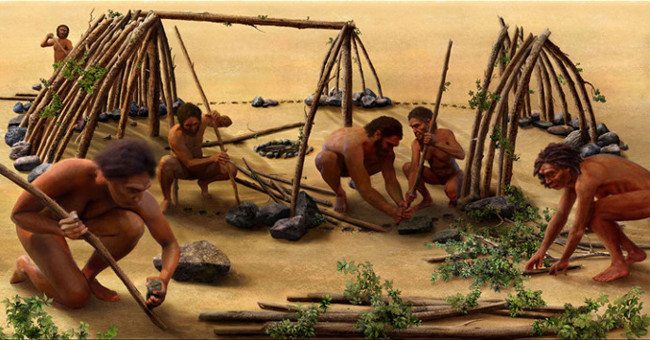
Experts and scientists have made notable findings about the lives of prehistoric people such as eating, accommodation, weapons used ...
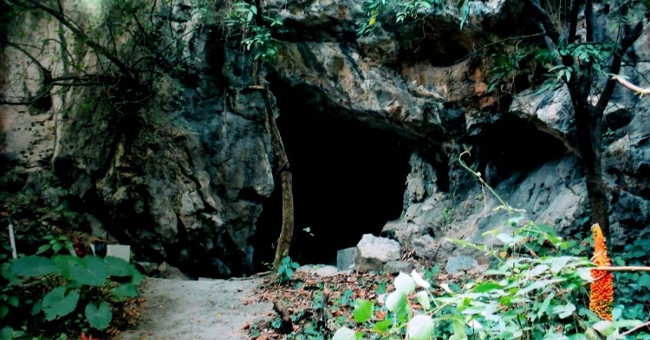
The Goat Cave is located in a complex of rocky mountains, land mountains in An Phu - Kinh Chu - Nham Duong district of Kinh Mon district, Hai Duong province, recognized…
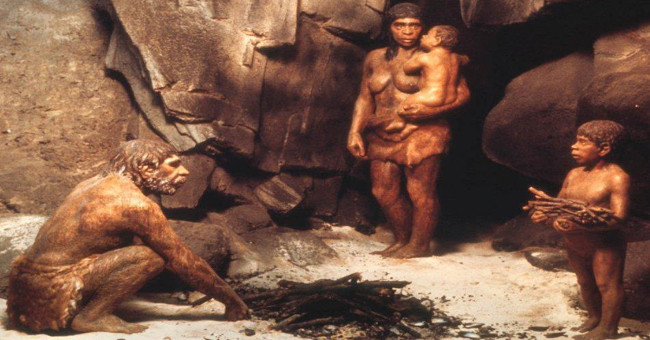
For thousands of years, Homo Sapiens first crossed mountains, deserts and oceans to Africa.
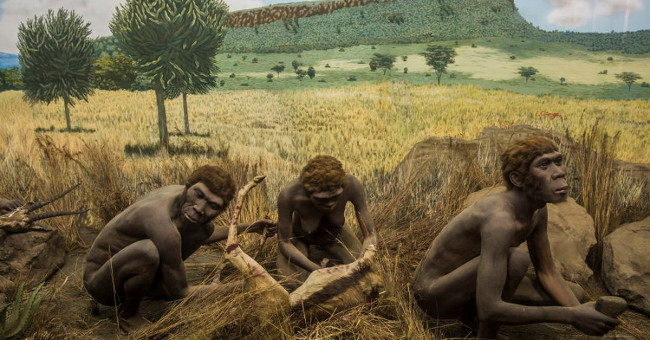
Hundreds of thousands of years ago, about 100km west of what is today the city of Marrakesh of Morocco, a group of people living in the cave noticed the lush landscape o…
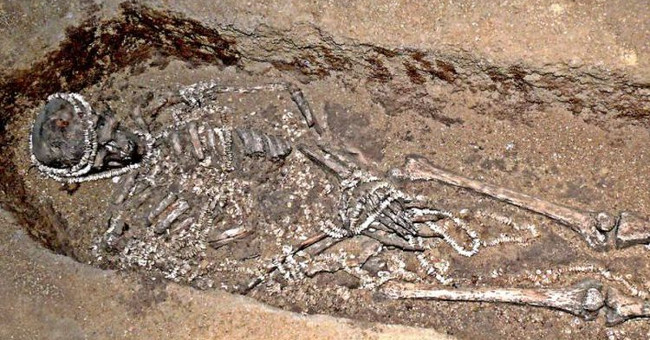
Right from 34,000 years ago, our ancestors knew that inbreeding was a bad idea.