New technology
Samples of shoes can reproduce themselves after 1 night
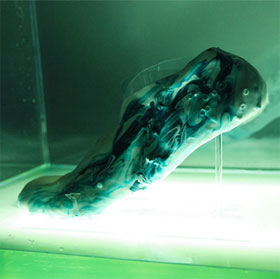
In the near future, biomass shoe models will be produced from 3D printers, with the ability to self-replicate after only one night.
Browse ScienceInfo articles and explainers related to Print.
490 published items.
In the near future, biomass shoe models will be produced from 3D printers, with the ability to self-replicate after only one night.
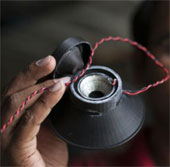
US engineers say they have built-in electronic speakers with full functionality, and it is also the first consumer electronics in the world to be made using 3D printing.
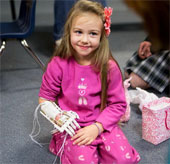
Students at the West Catholic High School Michigan robotics team recreated a fake hand from 3D printing equipment for Harmony Taylor.

Researchers from ETH Zurich have created an application that allows ordinary smartphones to record and display real objects in 3D.

Solid Concepts, the company that makes the metal rifle, says it has used lime sintering and a variety of metal powders to make the product.

The 3D printing technology created underwear is invented really a big step forward in the world.
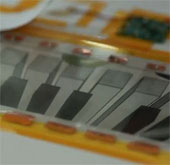
Electronic ink printed on a plastic film is used to create a transparent keyboard that can play music like a piano.

Scientists have come closer to turning a fantasy dream into reality when developing technology that uses biological ink
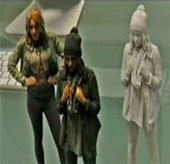
Britain's second-largest retailer, Asda, has launched a 3D printer to offer consumers an exciting opportunity.
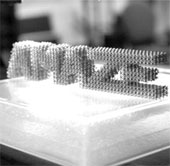
The AMAZE project will move to a special 3D printer space station that will not only produce conventional plastic details but will also provide custom metal objects, up…
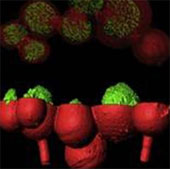
Bacteria are usually very active creatures. They are concentrated in diverse, continuous, interactive communities, combined with their 'brothers' as well as the…
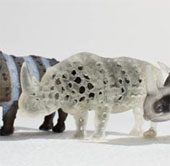
Although 3D print technology has grown dramatically in recent years, most machines still print solid objects with only one material.
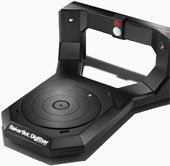
The Makerbot Digitizer, a desktop scanner that quickly scans 3D objects for use in 3D printers, is now available in the market.

Research by Tel Aviv University scientists in Israel, using small 3D print technology, creates a biopsy-compatible device for humans and transplants into the body.
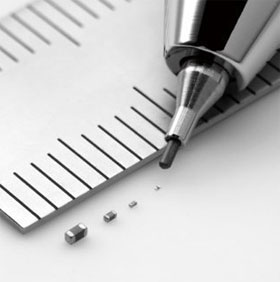
From the world's smallest semiconductor laser to a bee-sized robot, many of them are so small that they cannot be seen with the naked eye, but they are actually changing…