Space science
4 cosmic phenomena move faster than the speed of light
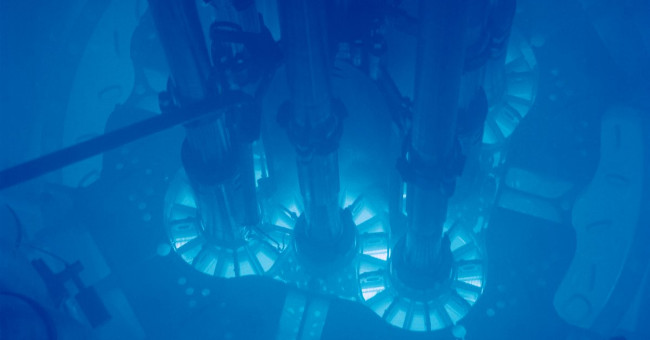
Cherenkov radiation, the inflation of the universe right after Big Bang, entangled quantum and deep holes are cosmic phenomena that can reach the state
Browse ScienceInfo articles and explainers related to Radiation.
747 published items.
Cherenkov radiation, the inflation of the universe right after Big Bang, entangled quantum and deep holes are cosmic phenomena that can reach the state
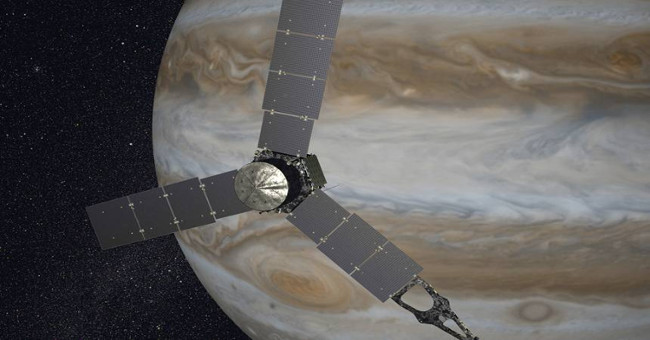
Today, Google changes its doodle to celebrate an extremely important event of the aerospace industry.
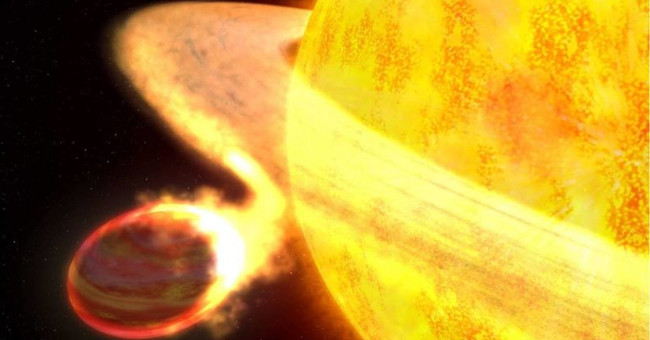
The stars may turn pink when swallowing an iron-rich planet, similar to the pink-feathered crane birds that eat a lot of shrimp.
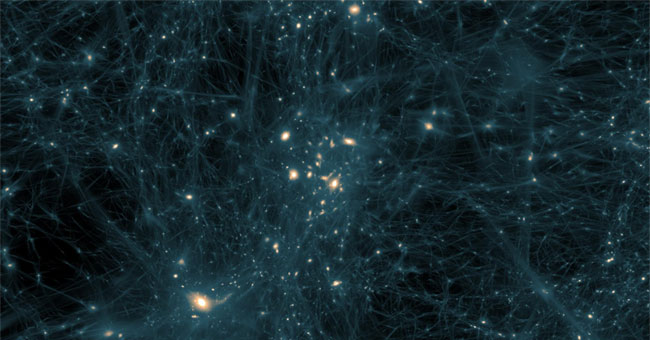
Currently dark energy is an overwhelming component in the universe (70% versus 25% dark matter and 5% ordinary matter), dark energy is making the universe expand with ac…
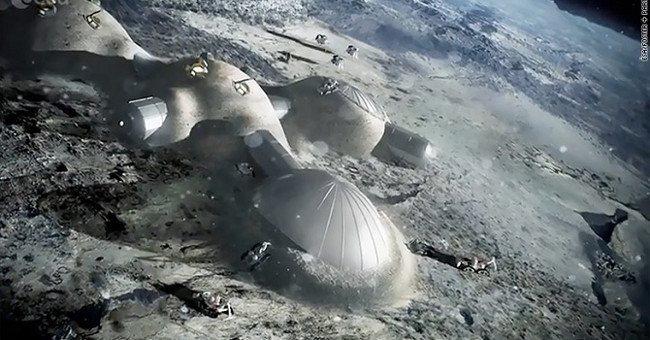
Some sources said that the European Space Agency is planning to build a village ... on the Moon.
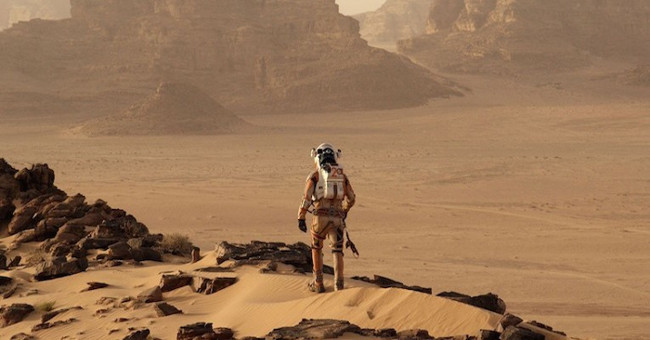
A French astronaut said people also need to perform extra-terrestrial missions for longer periods of time before actually preparing for a flight to Mars.
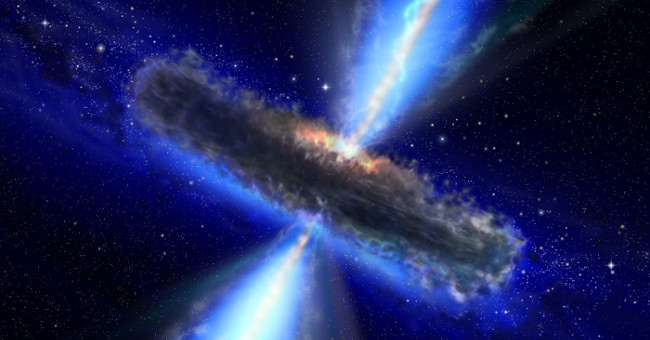
According to information published in the Astrophysical Journal Letters, Astrophysical Journal Letters on March 7, astronomers have recently discovered a large ocean tha…
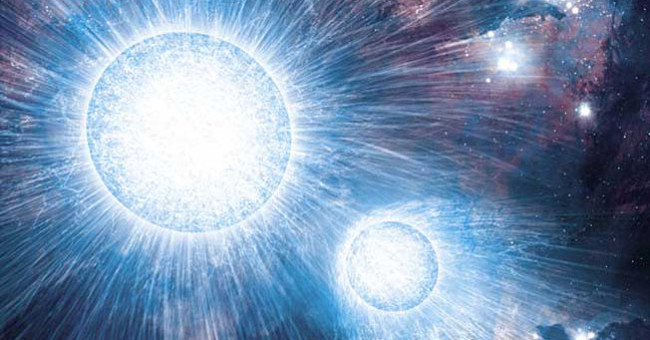
The binary star system with strong colliding star wind is the source of intense gamma radiation.
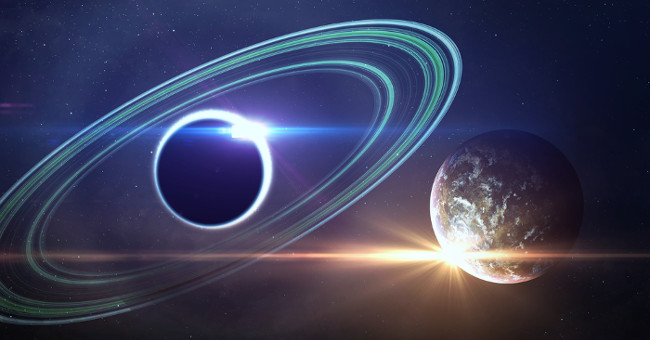
Black holes create conditions for life to form if there is a planet orbiting it.
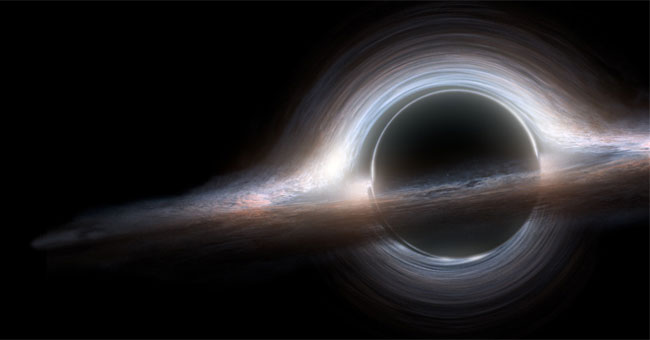
The planet around a black hole can also sustain life, thanks to the principle of thermodynamic reversal similar to the Sun and Earth.
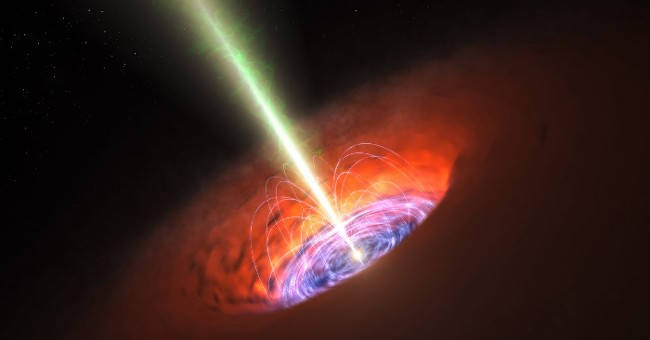
New hypothesis by astrophysicist Stephen Hawking and his colleagues suggest that black holes can wear a hair made from particles.
The mystery of the black hole's physical state is about to be discovered when American physicists find a way to get information from inside these black holes.
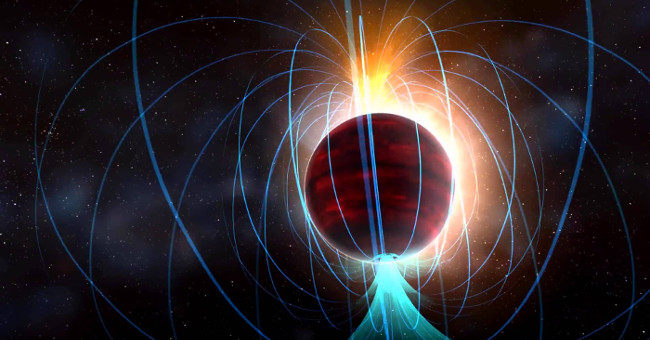
The tiny star that shines 10,000 times the Sun can hinder or disrupt the evolution of life on planets orbiting it.
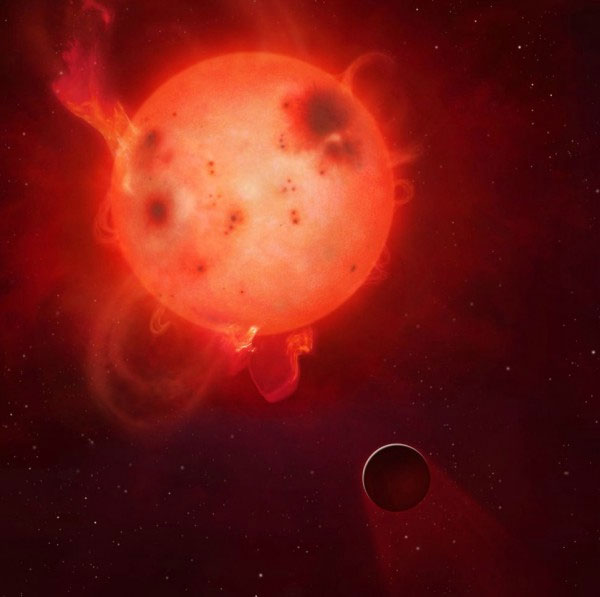
Radiation from a nearby dwarf has made the planet unable to live.
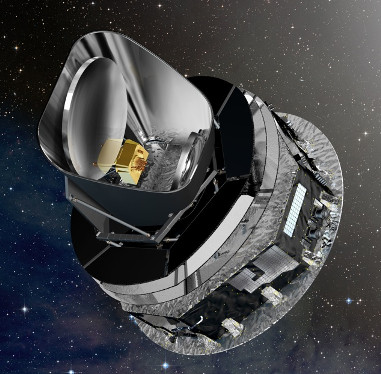
The amount of light that remains in space is likely to be remnants coming from another universe after the Big Bang.