Discover science
Scientists discover new type of oxygen with strange properties
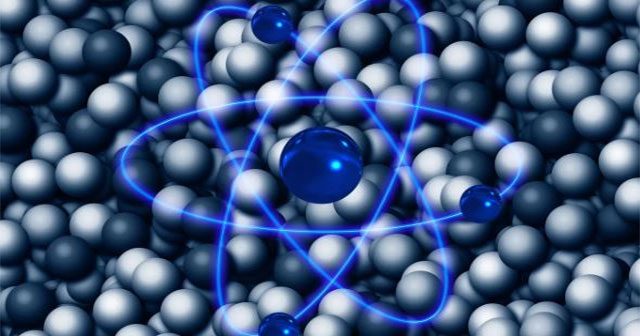
Scientists in Japan have created two new forms of oxygen that have unusual properties compared to popular theories about atomic structure.
Browse ScienceInfo articles and explainers related to Radioisotope.
13 published items.
Scientists in Japan have created two new forms of oxygen that have unusual properties compared to popular theories about atomic structure.

According to a new survey of radioisotope data from the Eurasian continent, agriculture here was born earlier than scientists thought.

The method of determining age by radioisotope appeared from the late 1940s and 1950s.
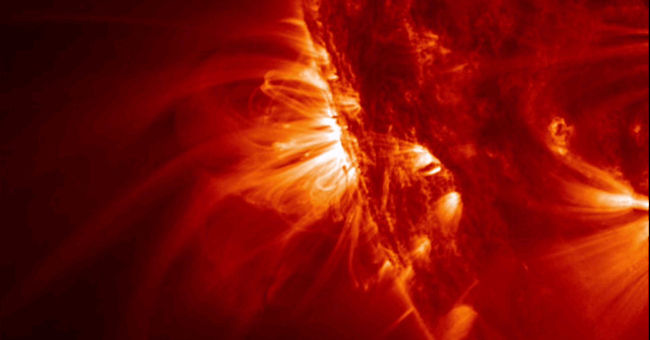
You will be surprised because the familiar items around you contain radiation. Accordingly, each year our body receives radiation equivalent to 600 mrem / year.
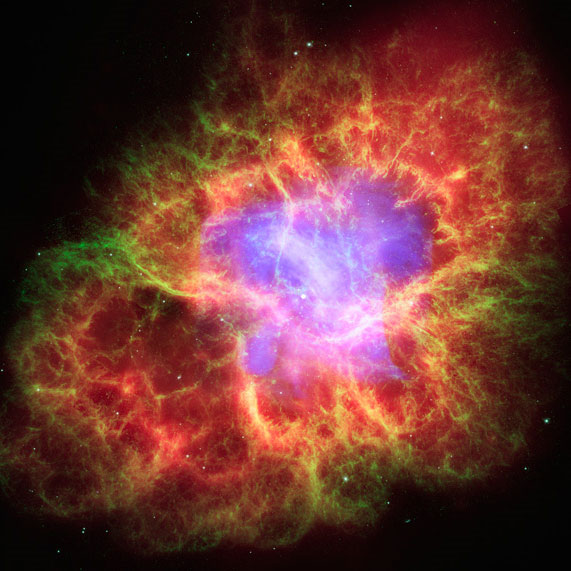
Recent research by Nagoya University of Japan shows that in the 8th century, the Earth was attacked by mysterious cosmic radiation beams. Analysis based on two long-live…

A package of radioactive isotopes for research and medical purposes was seized at an airport in Moscow, when it was about to leave for Iran.
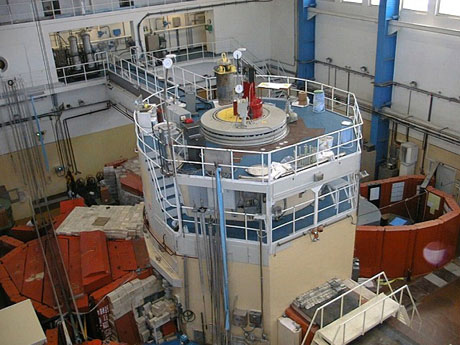
Air iodine-131 radioisotopes in many European countries may have spread from a research institute in Hungary.
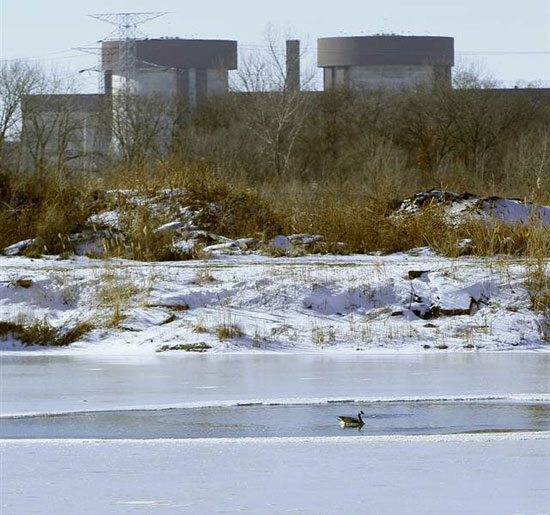
Tritium, a radioactive isotope of hydrogen, has leaked into groundwater from at least 48 of the 65 nuclear power plants in the United States.

Information from the Ministry of Science and Technology affirmed that the concentration of radioisotopes in the air in many provinces in Vietnam is low and tends to decl…

The first report on the status of vegetables in contaminated water came after the Ministry of Health of the country requested radioactive checks in vegetables and water…
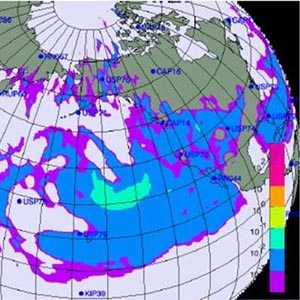
The monitoring station of the Vietnam Atomic Energy Commission has detected some artificial radioisotopes in Lang Son and Da Lat, but in small amounts and does not affec…
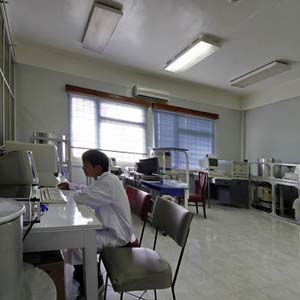
Has detected radioactive iodine in the air in Ninh Thuan, HCMC. In Hanoi also detected radioactive isotopes Cs-137, but did not affect human health.

Japanese physicists, in Physicsworld, reported in July 2010 that the list of known nuclear numbers was further extended with 45 new neutron-rich isotopes.