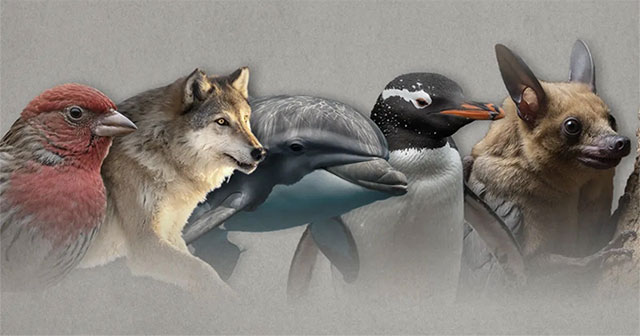
Animal world
Which animals are susceptible to cancer?
Cancer is common in many animals, but science still has many unknowns, such as which animals are susceptible to cancer and why?
Browse ScienceInfo articles and explainers related to Rate.
732 published items.
Cancer is common in many animals, but science still has many unknowns, such as which animals are susceptible to cancer and why?

Igbo-Ora in Nigeria and Kodinhi village in India are strange and mysterious places that produce the most twins in the world at a rapidly increasing rate.

Anxiety is the body's natural response to life's dangers.
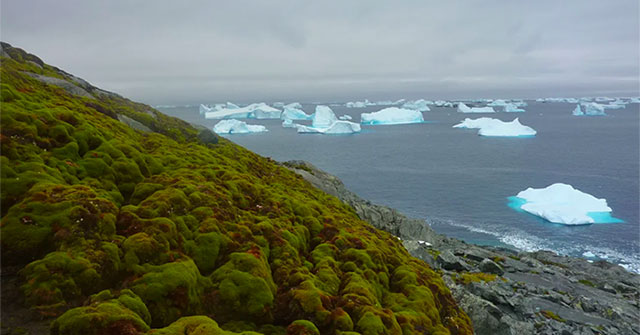
Some icy regions of Antarctica are forming lush green vegetation at an alarming rate as the region is also hit by heatwaves.
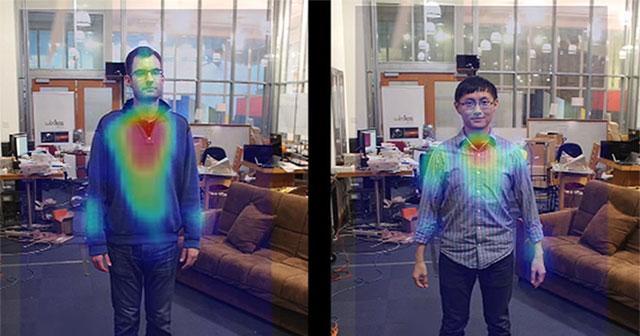
This cutting-edge technology was introduced by a Taiwanese (Chinese) power management company at Computex.

A new study in the US shows that heat increases the rate of premature birth, affecting the health of both mother and newborn, especially in low-income people.

Results of a study recently published in the journal Environmental Science & Technology show that scientists have mapped the level of human absorption of microplastics i…
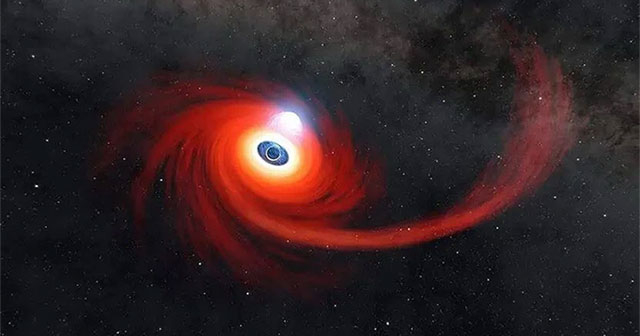
Astronomers have determined for the first time the rotation speed of a black hole.
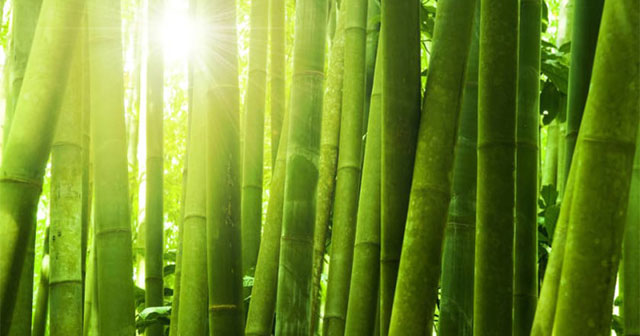
With its fast growth rate and high output, bamboo can be processed into transparency and become an effective building material to replace glass.

How you stay calm and respond during accidents such as fires can be the deciding factor between life and death.

Thanks to its 6 arms, the Stickbug robot can pollinate many flowers at the same time at a rate of 1.5 pollinations per minute.

The global mass extinction of animals is starting to take place and is worse than initially predicted, according to a recent study.

Signals of the rate of change in the universe were detected by the Dark Energy Spectroscopy Instrument (DESI), located atop the telescope at Kitt Peak National Observato…

A new study has shown that regular exercise helps you live longer and healthier.

According to the latest research from the prestigious journal PLOS ONE, there is a very small number of the global population who can see the world in