Space science
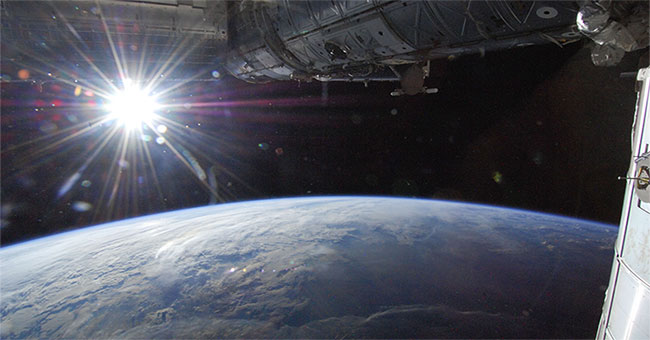
The Earth is farthest from the Sun, but why is it so hot?
The weather is hot, the temperature rises to record levels taking place in the past week in the world, in North American cities like Denver, Colorado; Burlington, Vermon…
Browse ScienceInfo articles and explainers related to Rays.
477 published items.
The weather is hot, the temperature rises to record levels taking place in the past week in the world, in North American cities like Denver, Colorado; Burlington, Vermon…
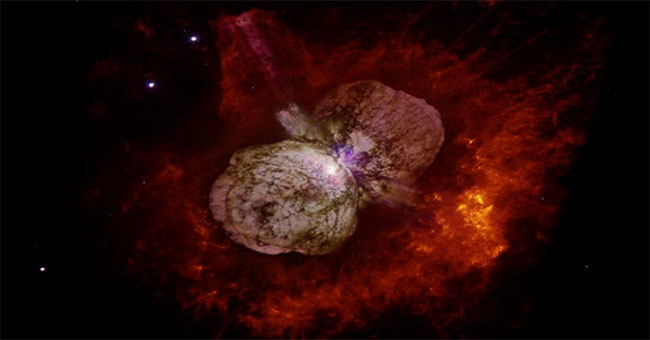
Located 7,500 light-years from Earth, the Eta Carinae star system is formed by two stars that are 90 and 30 times the mass of the Sun, extending 225 million km (140 mill…
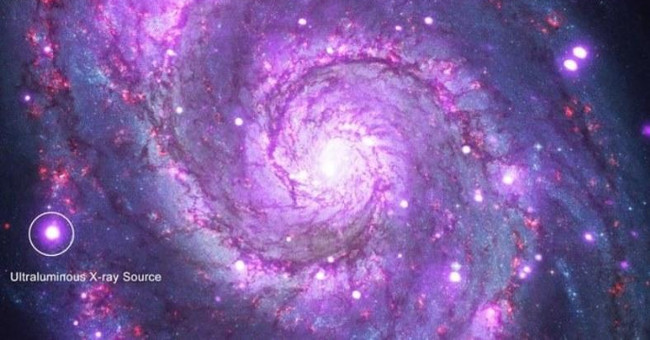
The team found a super-bright X-ray source (ULX) in the Whirlpool galaxy thanks to NASA's telescope.
The mass of this galaxy is 33 million solar masses. According to the study, the emission lines of Balmer and Fe II of this galaxy show that it is the nature of the NLS1…
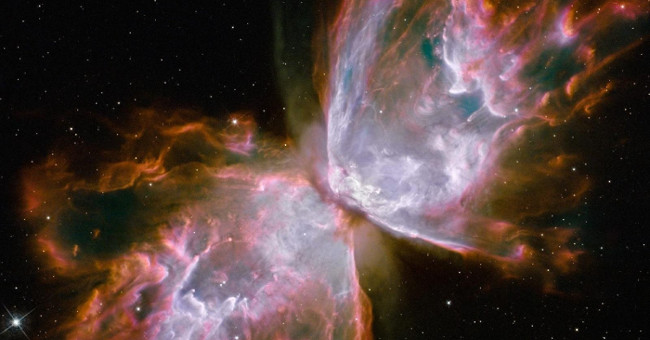
Cosmic rays come from supernova explosions and the Sun's magnetic activity affects the weather on Earth.
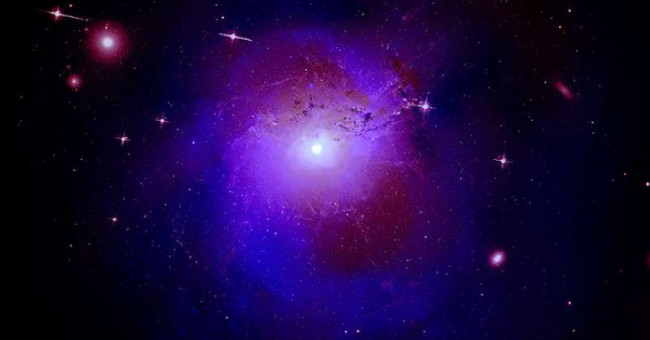
Dark matter is a strange material that does not emit light or energy, but it is thought to produce about 85% of matter in the universe.
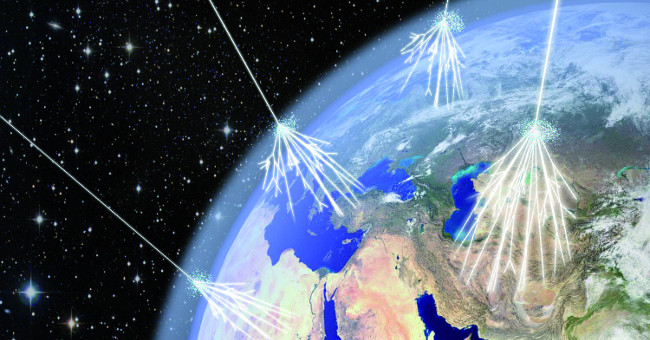
Cosmic rays are phenomena radiating out of a shower of high-energy particles, including X-ray rays, which continuously affect the Earth and are generated from the explos…
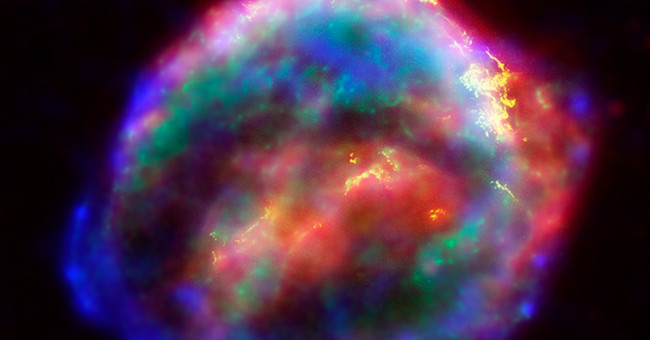
This new finding is expected to help scientists come closer to discovering light in invisible dark matter in the vast universe.
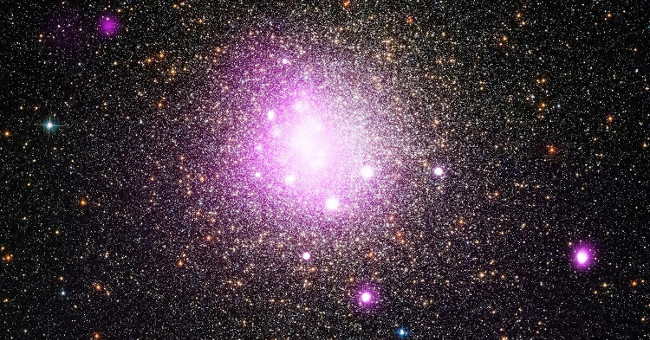
Black holes can tear up a white dwarf star, creating high-energy cosmic rays and neutrinos rushing towards Earth.
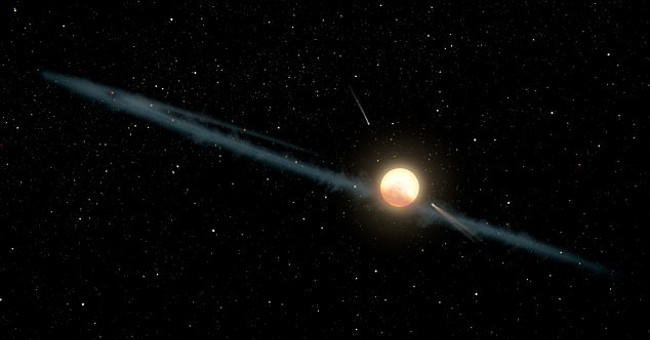
The star called Tabby, also known as KIC 8462852 is located 1,400 light-years from Earth.
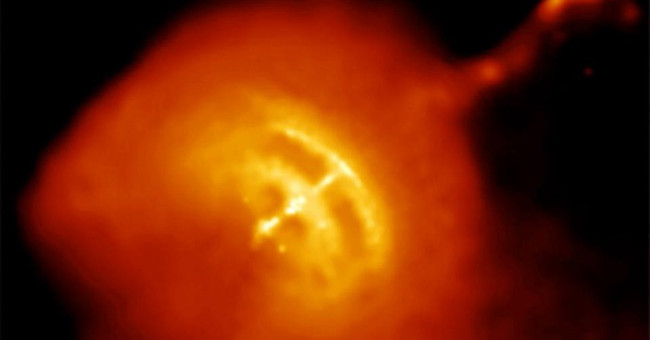
The following article will bring about the most general overview of the pulsar star (or Plusar), invite you to consult.
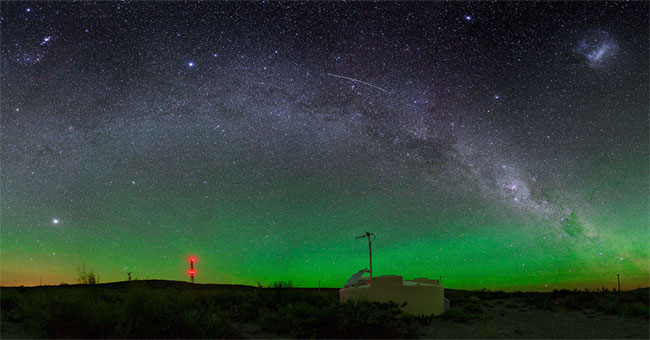
The secrets hidden in cosmic rays have confounded scientists for the past 50 years, and this new research will be the first solid foundation to understand their origins.

In space, seeds exposed to many ultraviolet rays and cosmic radiation can cause their germination ability to decrease.
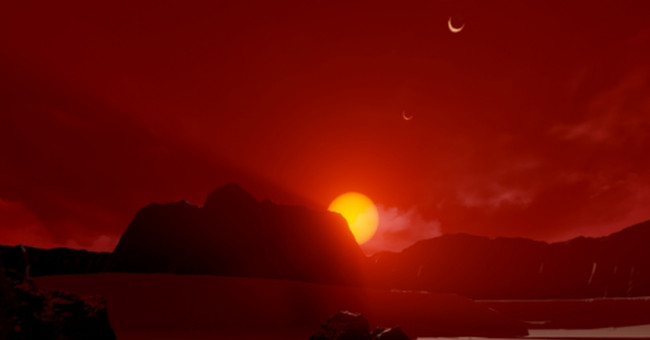
In the early months of 2017, NASA announced the discovery of Trappist-1 - a star-planet system containing 7 globules of the same size as Earth.
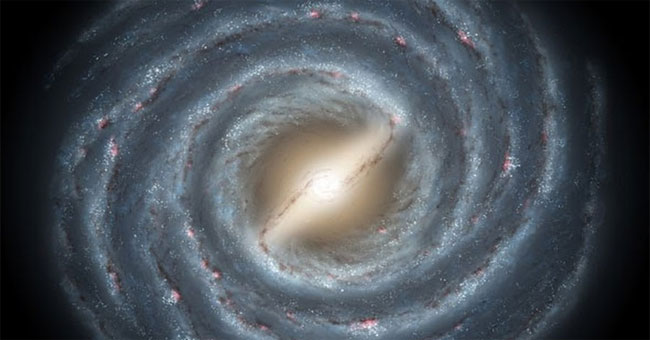
This phenomenon was discovered using data from NASA's Fermi Space Telescope and High Energy Stereoscopic System (HESS).