
Discover science
How Does a Nuclear Reactor Work?
A nuclear reactor controls a self-sustaining fission chain reaction so that heat can be removed safely and used for a practical purpose such as generating electricity, p…
Browse ScienceInfo articles and explainers related to Reactor.
315 published items.
A nuclear reactor controls a self-sustaining fission chain reaction so that heat can be removed safely and used for a practical purpose such as generating electricity, p…
Nuclear waste is radioactive material that requires controlled handling because its radioactivity or other hazardous properties persist after use. The term covers severa…
Nuclear power generates heat from fission, the splitting of heavy atomic nuclei such as uranium. A power plant uses that heat to make steam and drive a turbine-generator…
A tokamak is a doughnut-shaped magnetic-confinement device designed to hold extremely hot plasma using strong magnetic fields so controlled nuclear fusion reactions can…
A fusion reactor aims to create a hot plasma in which light nuclei fuse, confine or compress that plasma long enough to release useful energy, then capture the energy in…
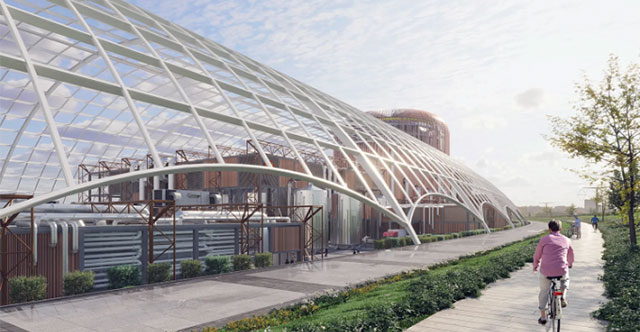
Tokamak Energy shares first images of commercial fusion power plant using 200 MW effective tokamak reactor.

NuScale's mini-reactor design has been certified as safe and could be operational in the next few years.
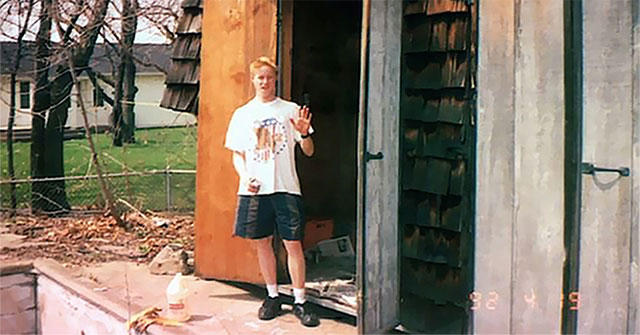
A 17-year-old boy who shocked the nation by building a nuclear reactor in his family's shed has died at the age of 40, but not from radiation poisoning.

Westinghouse Corporation introduces an advanced reactor design that could provide nuclear power to areas where water is scarce and heat is needed.
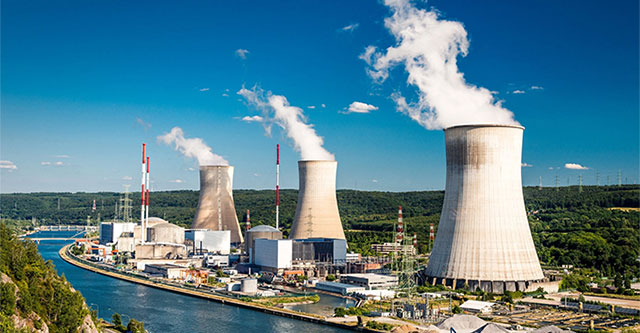
Nuclear power is a long-standing energy technology, and is used by many developed countries to solve particularly urgent energy problems.

According to information published by Space News, this large-capacity nuclear reactor was designed by the Chinese Academy of Sciences and can generate 1 megawatt of elec…
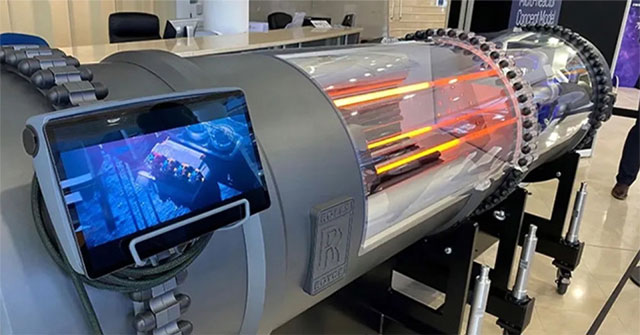
Rolls-Royce's nuclear fission reactor is expected to be just 1 meter wide and 3 meters long, providing stable energy for astronauts.
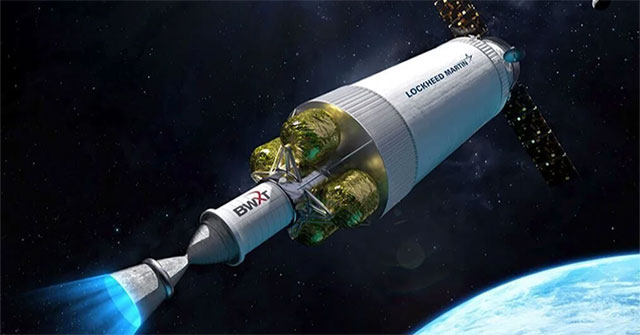
Nowadays, the race to explore and conquer space in the context of a technological explosion has urged Western countries to build launch vehicles using nuclear propulsion.
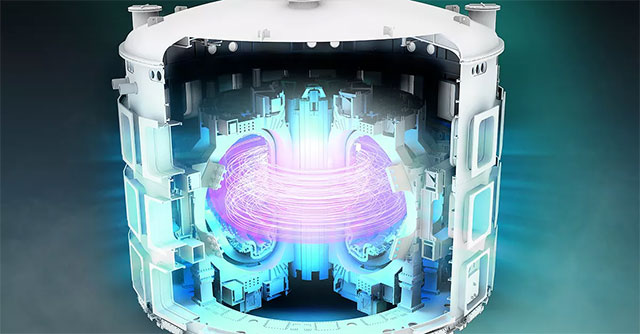
This is the world's first reactor that will power the Earth using nuclear reactions like the Sun.
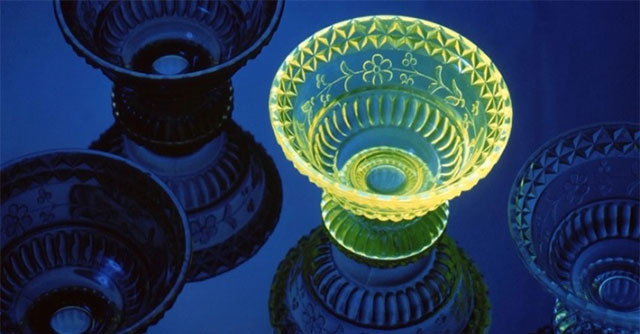
In addition to its use in nuclear reactors and weapons manufacturing, uranium has strange applications ranging from dentures to medical treatments.