Environment
Americans are more cautious with nuclear power after Fukushima
Americans are more cautious with nuclear power after the nuclear reactor meltdown at the Fukushima power plant in Japan, according to a recently published survey.
Browse ScienceInfo articles and explainers related to Reactor.
315 published items.
Americans are more cautious with nuclear power after the nuclear reactor meltdown at the Fukushima power plant in Japan, according to a recently published survey.

A year after the tsunami earthquake, Japanese people in Tokyo still have to live in a sense of anxiety when scientists in the country recently issued a warning about the…
The International Atomic Energy Agency (IAEA) has warned that 80% of the world's nuclear power plants have been operating for more than 20 years, a period of time when s…

A series of earthquakes rocked the capital of Tokyo and northeastern Japan on the evening of March 14 leading to a tsunami warning several places, but no damage or casua…
Tokyo Electric Power Company (TEPCO) on February 12 said the thermometer of the No. 2 reactor at Fukushima 1 nuclear power plant increased by 82 degrees.
The United Nations on February 13 affirmed that the deteriorating soil condition and increasing number of nuclear reactors are the most urgent environmental problems tod…
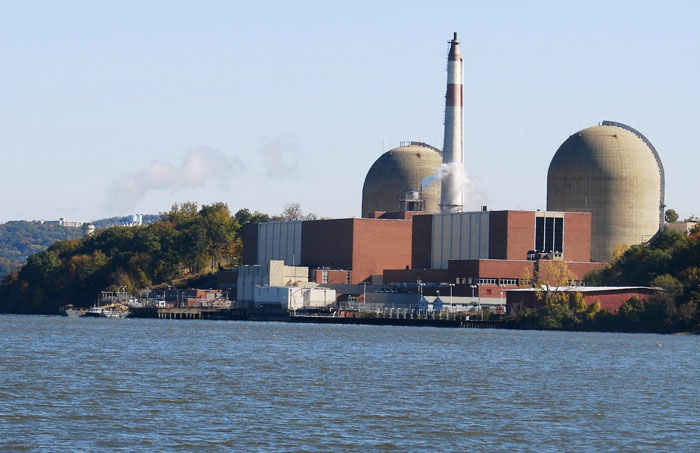
The clean water supply to more than 11 million people is facing the risk of serious pollution due to the leak of radioactive substances at Indian Point Nuclear Power Pla…
According to a reporter in Tokyo, Tokyo Electric Power Company (TEPCO) said that the temperature at the bottom of the pressure chamber of reactor No. 2 at Fukushima nucl…
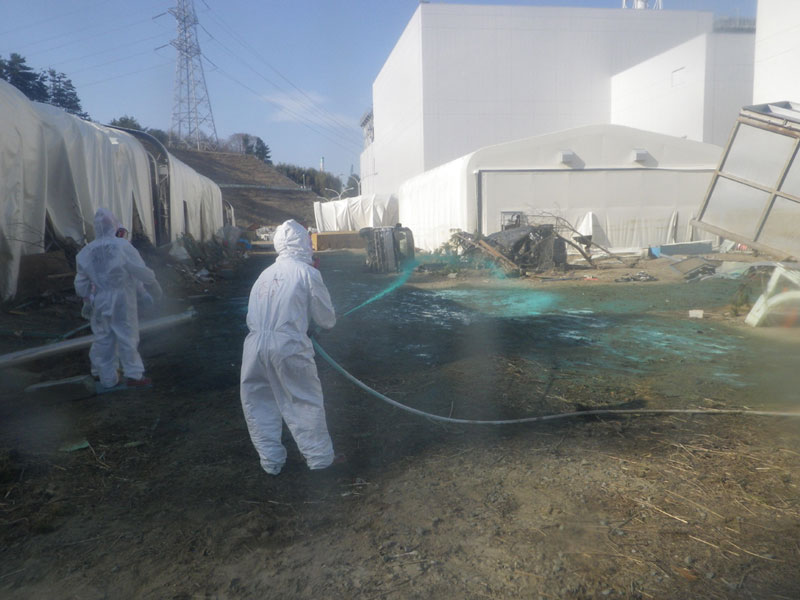
More than 10 months after the earthquake - tsunami caused a nuclear crisis at Japan's Fukushima power plant, on January 23, a group of experts from the International Ato…
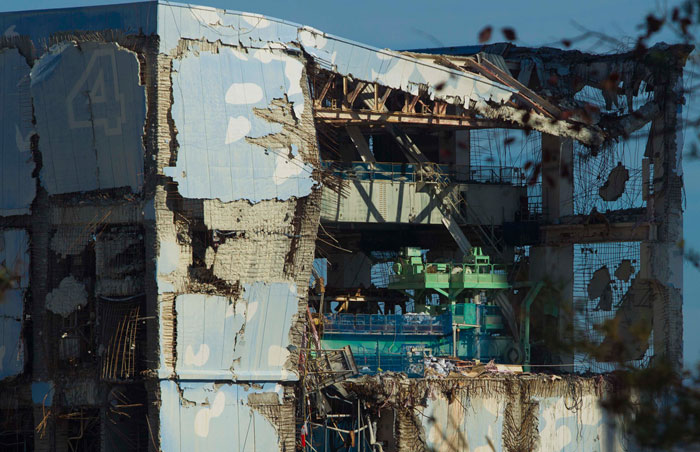
Efforts to bring the reactors in the Fukushima I nuclear power plant in northeastern Japan to a state of permanent shutdown may last up to 2050.
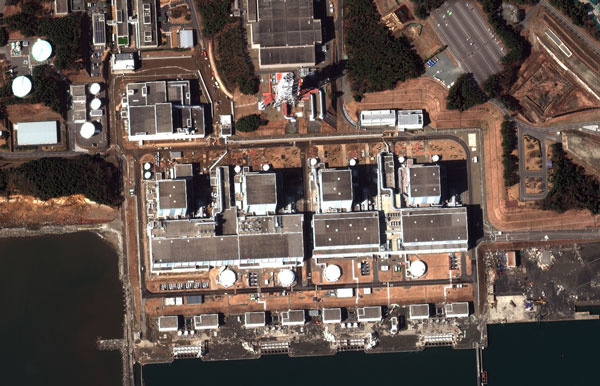
According to AFP, Prime Minister Noda will hold a press conference at 18:00 (local time) with the press and media of this country, to announce the closure of the Fukushi…
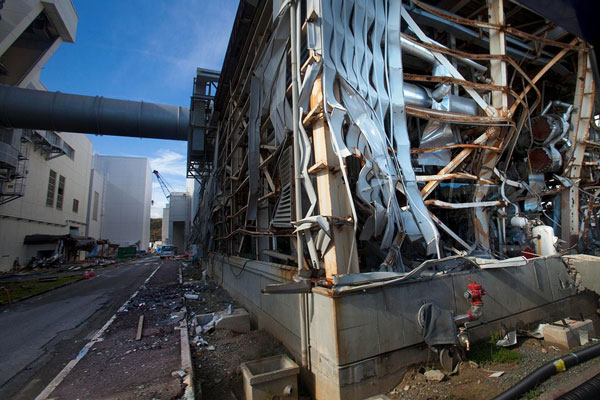
Japan yesterday announced that the reactors at the nuclear power plant affected by the tsunami had achieved status
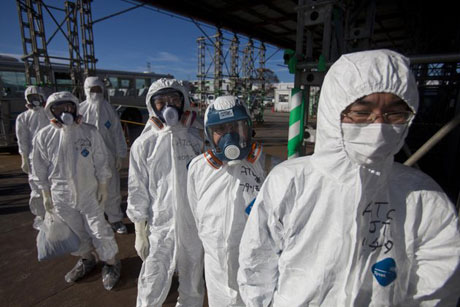
Japanese scientists say most of the radioactive material released from the Fukushima nuclear power plant has fallen into the sea and circulated around the planet.
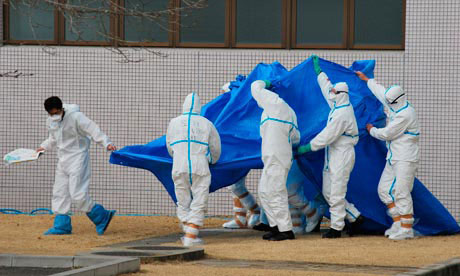
An expert panel of the Japan Atomic Energy Commission concluded that the Fukushima nuclear power plant could only stop completely after at least three decades.
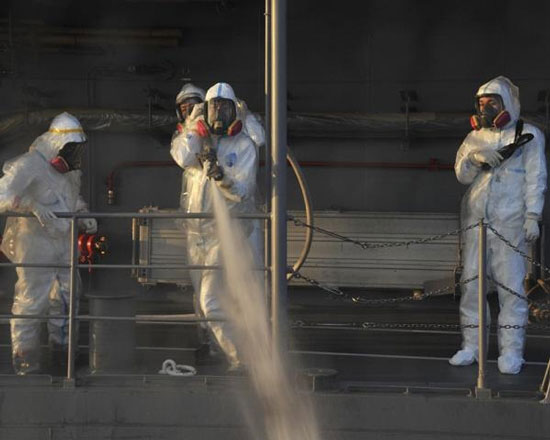
There are some signs of nuclear decay that may have occurred at the Fukushima I power plant. But the Japanese nuclear agency later confirmed there is little possibility…