
New technology
Invented the program 'read', seize the dream
According to scientists at the ATR Neuroscience Laboratory in Japan, the 'dream catcher' achieves up to 60 percent accuracy, an impressive 'result.'
Browse ScienceInfo articles and explainers related to Read.
493 published items.
According to scientists at the ATR Neuroscience Laboratory in Japan, the 'dream catcher' achieves up to 60 percent accuracy, an impressive 'result.'
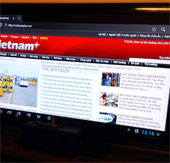
On April 9th, i3S Media (Vietnam) and OrangeHD (Korea) officially launched the new generation HD entertainment equipment called Livebox.

Previously, the reading of rare books from the Middle Ages was impossible because these books were only displayed in glass cabinets. However, today this has become possi…
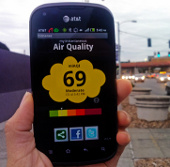
US scientists say they have deployed a team of mobile pollution sensors that provide real-life information about air quality to smartphone users in the region.
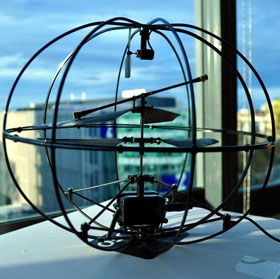
Toy helicopters controlled by electromagnetic signals can appear in the sky before the last day of 2012.
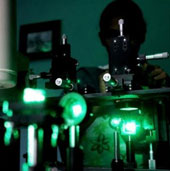
A team of scientists in Italy and the Netherlands has successfully developed a new technology that can penetrate thin layers of materials, promising a breakthrough for n…
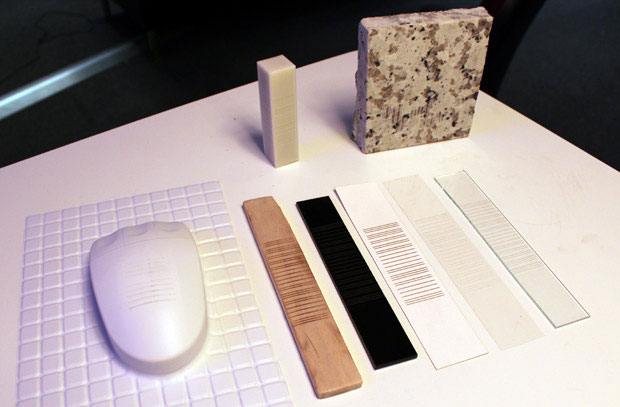
NFC, RFID and ORC - an indispensable part of everyday life. Recently, a team at Carnegie Mellon University has created a new bar code, which stores data in sound waves.
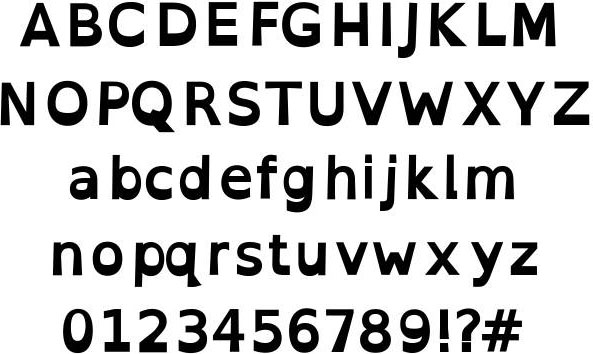
A new font designed for people with dyslexia has been found on mobile devices such as tablets and smartphones.

Intel (USA) has developed a StressSense system that allows one to identify a person's normal voice. To do this, the user has to relax and read a snippet of the book…
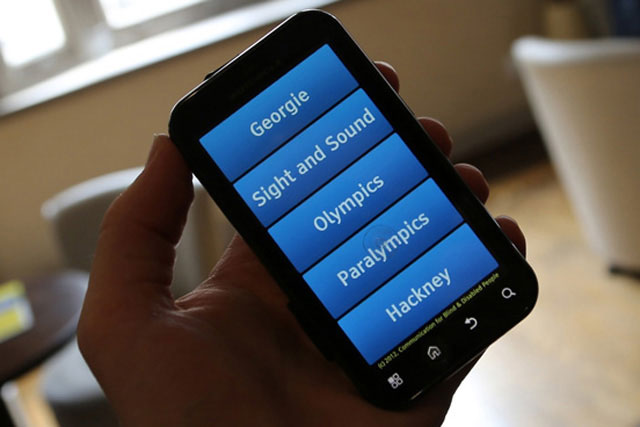
Read the name of the next bus stop or menu, a new application has just been developed to help the lives of visually impaired people easier. Apps called Georgie for devic…
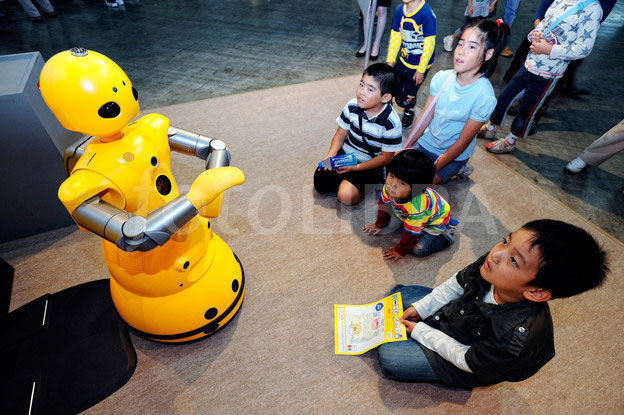
A robot teacher is able to monitor the concentration of students and attract the attention of children promising to stop the state of drowsiness. Tests show that this ro…

This finding is published in the journal Physical Review Letters and the proofreading can be read on the Cornell University website, while more detailed, on the CERN web…
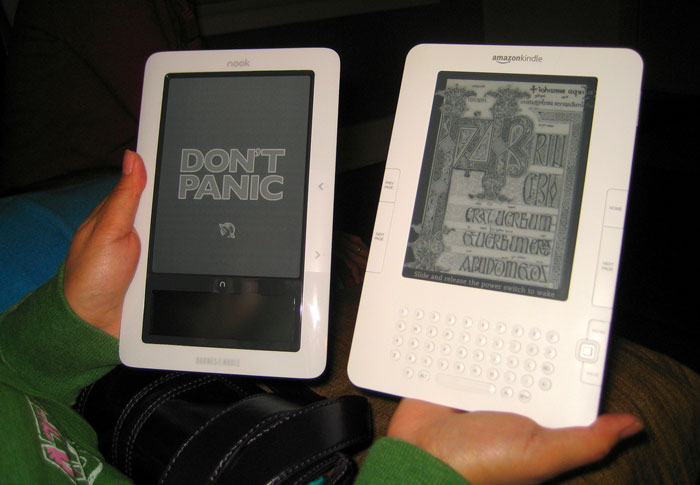
Dubbed the 'Simple Touch and Light', the Nook uses an LED system to illuminate when light from the surrounding environment is too small. Light emits enough to no…
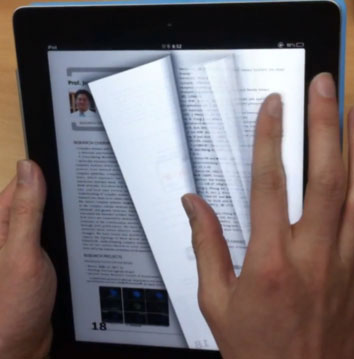
Scientists at the Korea Advanced Institute of Science and Technology (KAIST) have recently developed a technology that allows users to turn e-book pages like paper books.
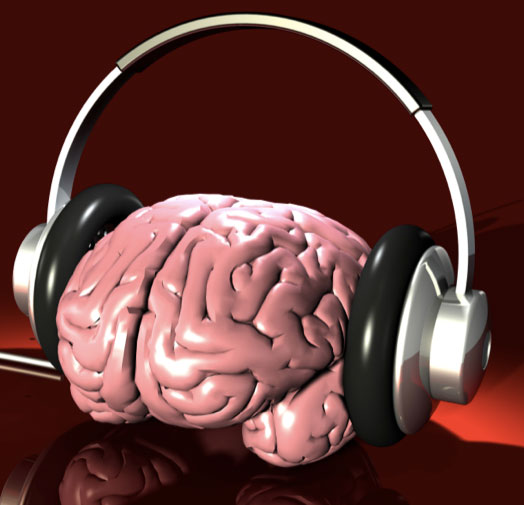
Scientists say advances in neuroscience have shown the ability to penetrate secrets in our brains. Interpretation of thought by reproducing sound, based on electric wave…