Health
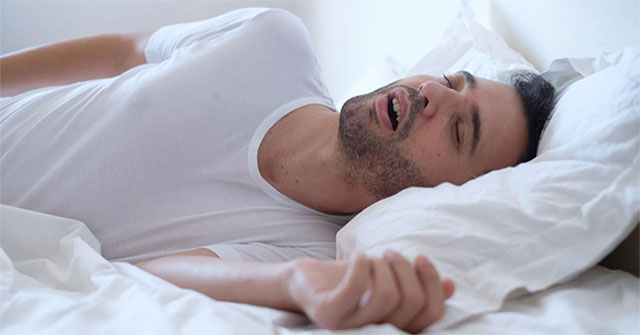
Top 8 common causes of snoring
The causes of snoring vary from person to person, depending on age, habits, and any possible health problems.
Browse ScienceInfo articles and explainers related to Risk.
2,385 published items.
The causes of snoring vary from person to person, depending on age, habits, and any possible health problems.
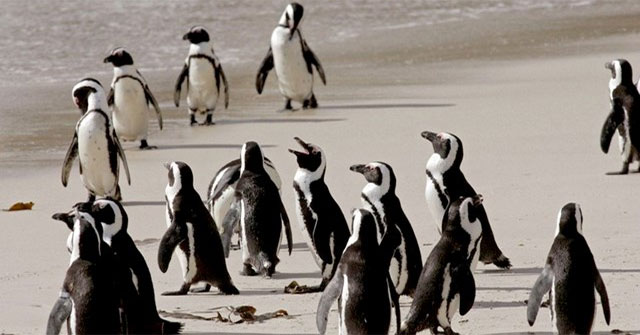
The number of African penguins on St Croix Island in the Gulf of Algoa has plummeted since South Africa began allowing ships in the area to refuel at sea.
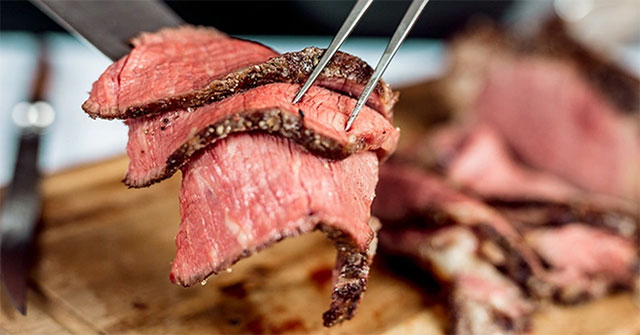
Certain chemicals produced by gut bacteria during the processing of red meat can cause inflammation and blood clotting, increasing the risk of heart disease and stroke.

Although the possibility of bird droppings hitting your head is higher than the risk of space junk falling, it's not impossible, there have even been cases of injuries a…
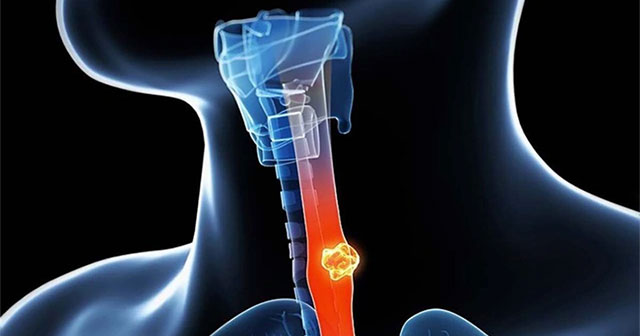
Cancer screening is an important factor for the prevention and early detection of this disease, especially for people with a history of prolonged esophagitis, advanced a…
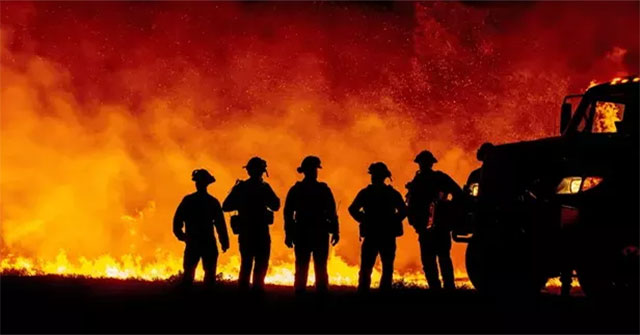
Scientists have recently warned that humans may face an unexplored risk of extinction

Experts have shown that diet control plays a big role in the treatment of diabetes. Therefore, you should actively eat the following foods!
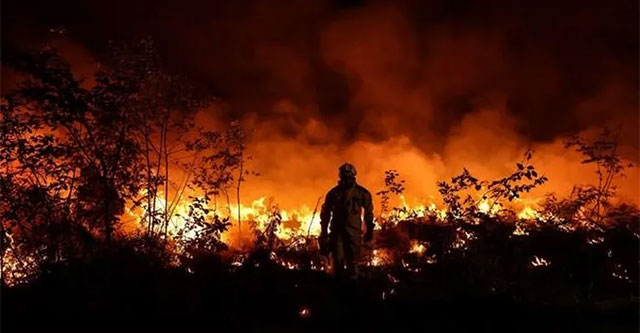
Europe's atmospheric watchdog warns the risk of wildfires is on the rise, with large parts of Western Europe at
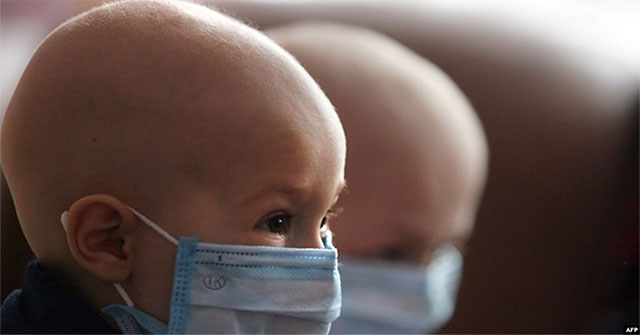
Scientists say they have identified pediatric cancer patients who are at increased risk of serious infections associated with neutropenia.
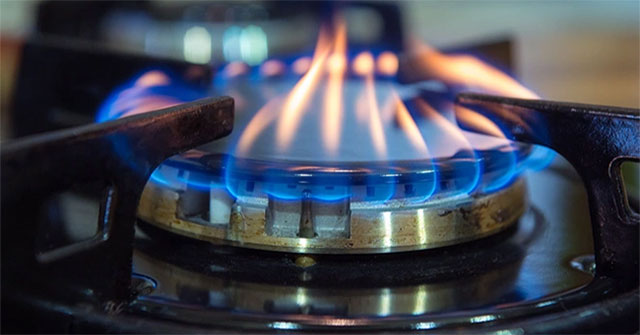
If a household gas stove leaks, people are at risk of being exposed to dozens of pollutant compounds, including cancer-causing agents such as benzene.

Tesla CEO Elon Musk says that maybe AI is the biggest risk facing human civilization.

A new Japanese study has shown that men who choose to stay single, or get married but divorced, have a higher risk of dying earlier than married men.
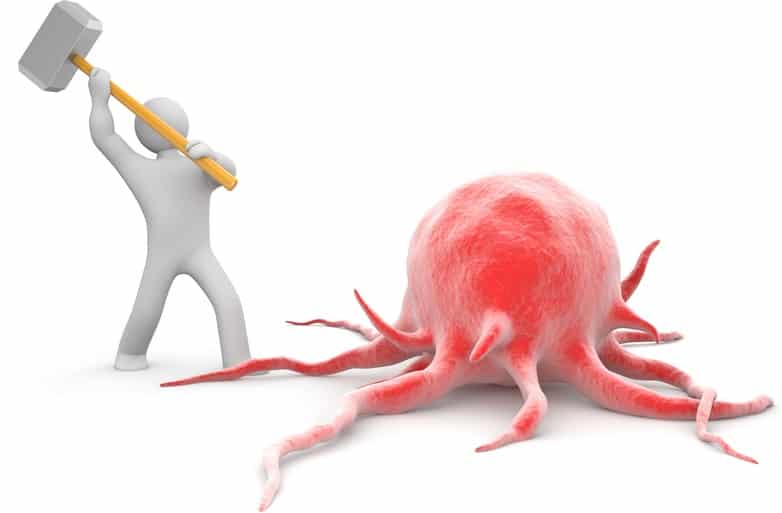
Cancer cells crave sugar like a drought waiting for rain. You can also prevent cancer yourself by 'starving' them.
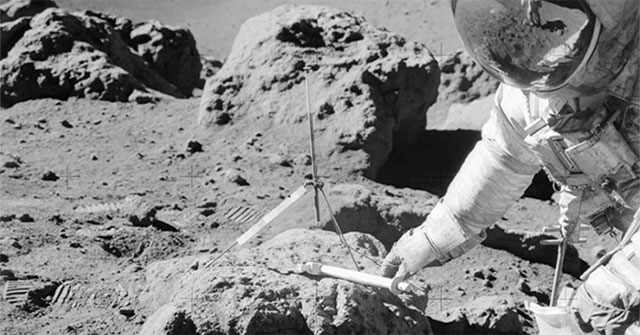
Some scientists think that the soil on Mars may be at risk, so they reminded NASA to be cautious.
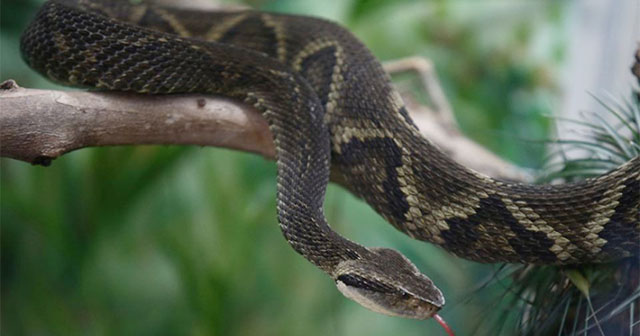
The new discovery will help reduce the risk of death and serious injury from the bites of one of South America's deadliest venomous snakes.