
Health
How to use vitamin C without harming the kidneys?
Vitamin C is beneficial for people with kidney failure, reducing the risk of kidney cancer, but if used in high doses regularly it can be harmful.
Browse ScienceInfo articles and explainers related to Risk.
2,385 published items.
Vitamin C is beneficial for people with kidney failure, reducing the risk of kidney cancer, but if used in high doses regularly it can be harmful.

Research identifies a genetic mutation that increases the risk of hunger and obesity in Labradors and Flat Coated Retrievers.

On the morning of March 25, many people in some areas of Hanoi said they clearly felt the shaking caused by the aftershock of the magnitude 4 earthquake that recently oc…

NIWA's survey team leader said the ice is melting faster and faster in recent years, causing New Zealand to face a continuous trend of ice loss.
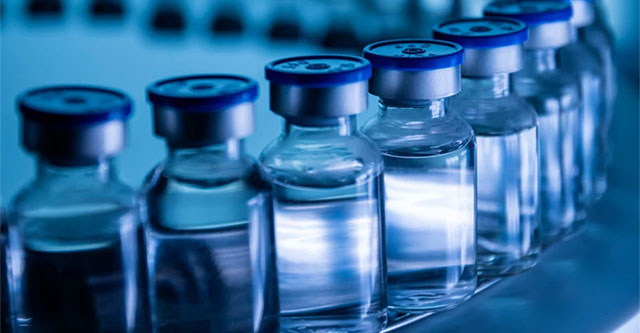
The LungVax vaccine works by using a DNA sequence to train the immune system to recognize and destroy 'red flag' proteins, or mutant antigens, in lung cancer cells.

According to a study published in the journal Lancet Planetary Health, air pollution can make antibiotic resistance worse.

Many people say that eating wild boar, mink, and lizard meat brings good luck for the new year, but experts warn that they can be harmful to health. Is this true or fals…
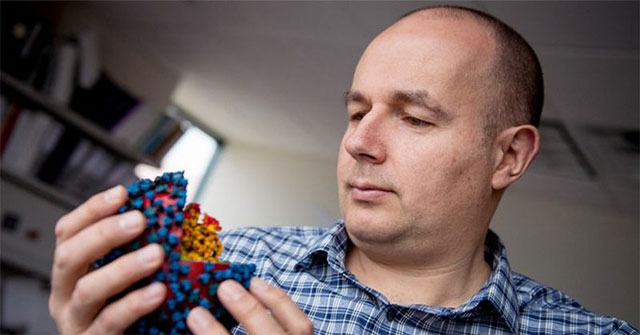

The World Health Organization (WHO) has completed surveillance of people who came into contact with 29 cats positive for the highly virulent influenza A/H5N1 in an unpre…
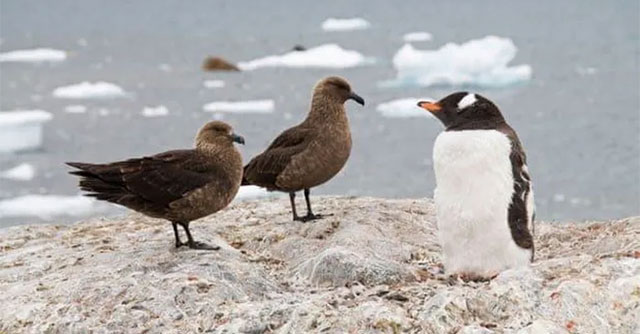
Scientists have long feared the risk of the worst outbreak of highly pathogenic avian influenza (HPAI) in history in Antarctica, the main breeding ground for many bird s…

In recent weeks, the number of influenza A cases has shown signs of increasing. Influenza A is a respiratory disease that can be easily transmitted and cause dangerous c…

This invention has such superior capabilities that it can cook like a chef and do many housework like a maid.

Ambient light sensors in smartphones may pose unwanted privacy risks.
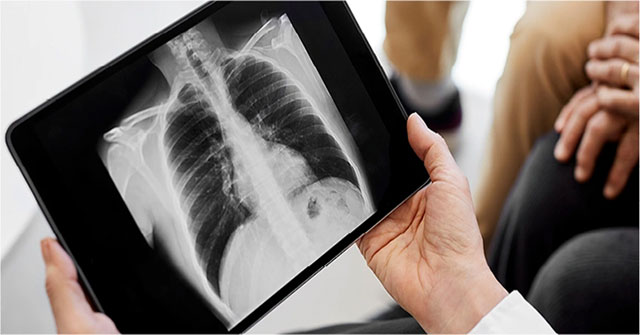
Scientists discovered the mechanism by which air pollution causes lung cancer in non-smokers. This research is considered a breakthrough for science and society.

A Swedish study found that people who snore have a higher risk of cancer.