
World Heritage
Royal tomb area of Joseon Dynasty
Unesco's Scientific, Educational and Cultural Organization has recognized the Royal Tomb of the Joseon Dynasty in Korea as a World Cultural Heritage in 2009.
Browse ScienceInfo articles and explainers related to Royal.
372 published items.
Unesco's Scientific, Educational and Cultural Organization has recognized the Royal Tomb of the Joseon Dynasty in Korea as a World Cultural Heritage in 2009.
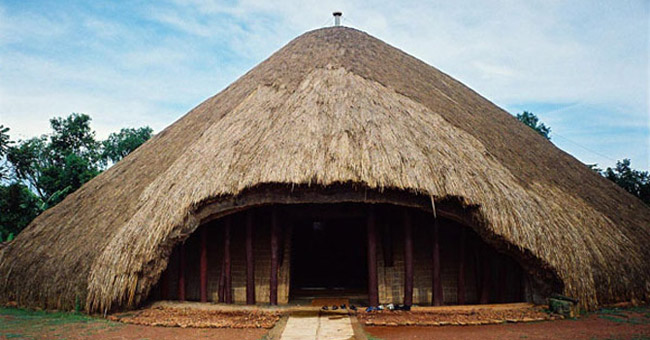
Unesco's Scientific, Educational and Cultural Organization has recognized the Bungada Tomb Zone in Kasubi of Uganda as the World Cultural Heritage in 2001.
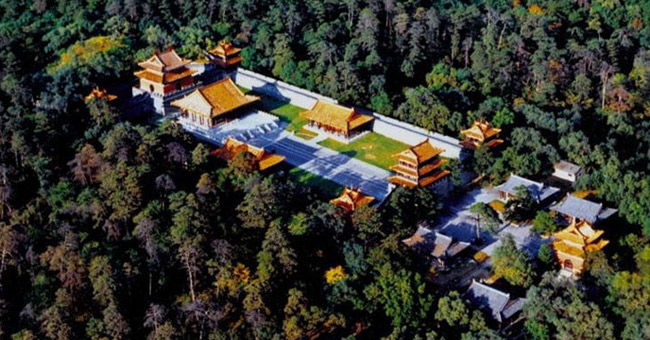
Unesco's Scientific, Educational and Cultural Organization recognized the Royal Tomb of Minh - Thanh as a World Cultural Heritage in 2000.
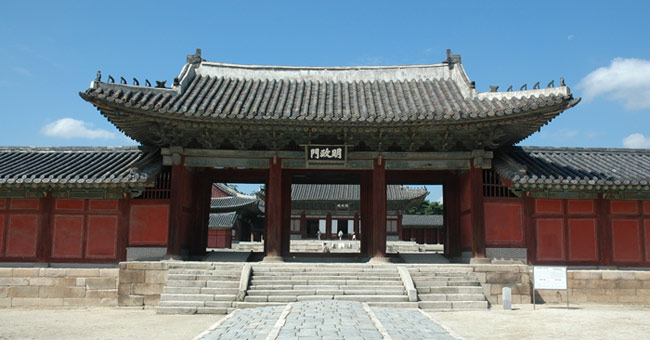
Unesco's Science, Education and Culture Organization recognized Korea's Jongmyo Temple as a World Cultural Heritage in 1995.

Unesco's Scientific, Educational and Cultural Organization recognized the French Fontainebleau Castle as a World Cultural Heritage in 1981.

Unesco Scientific, Educational and Cultural Organization has recognized - Augustusburg Castle and Falkenlust Castle in Bruhl of Germany is the World Cultural Heritage in…
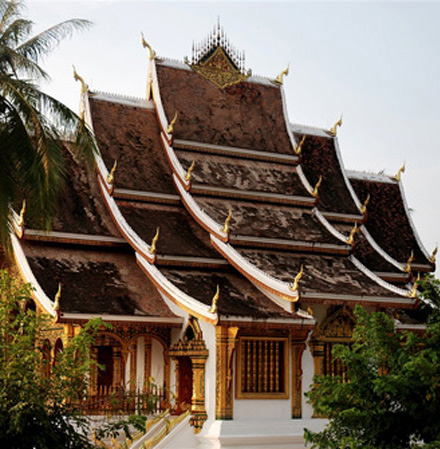
The United Nations Science, Education and Culture Organization recognized the Lao city of Luang Prabang as a World Cultural Heritage in 1995.

Unesco's Scientific, Educational and Cultural Organization has recognized the Mac Cao Stone Cave as a World Cultural Heritage in 1987.

In nature, starfish have a multitude of shapes, sizes, and colors, and are found from the coast to deep waters.

The results of a study by American scientists published in the journal Royal Society Biology Letters on Sept. 19 have revealed the secret of explaining factors that help…
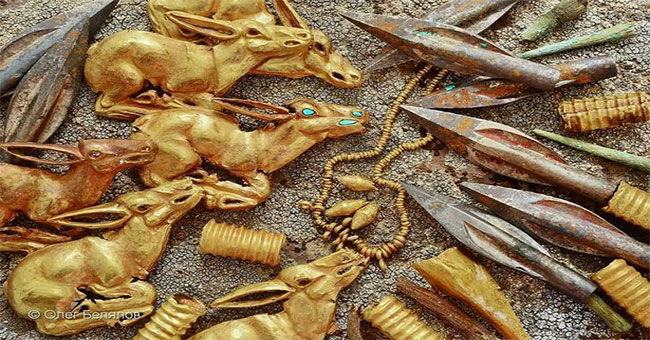
The priceless treasure is defined as 2,800 years old and belongs to the royal or noble members of the Saka people, who lived in Central Asia.
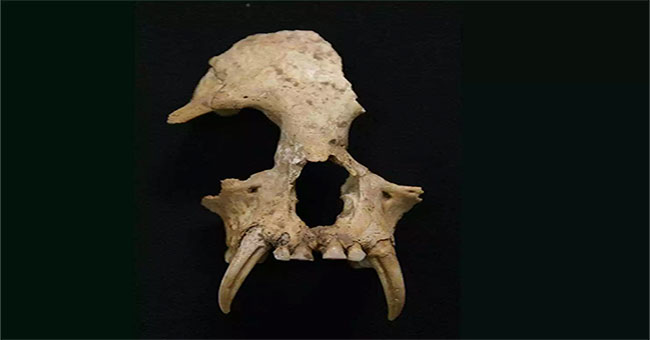
The skeleton of the extinct gibbon breed has long been unearthed in the 2,200-year grave in the ancient capital of Chang'an, China, reported June 21.
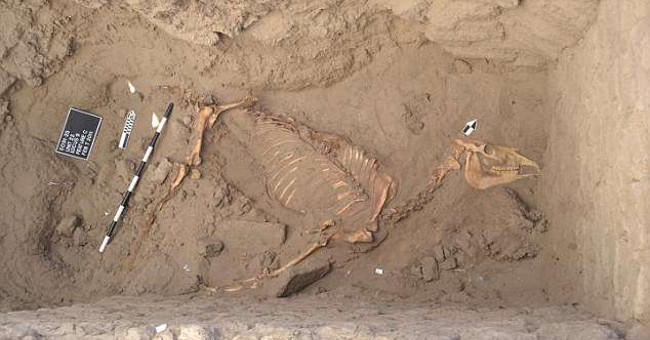
A horse with chestnut coat has been found at a tomb in Egypt a few days ago. This horse is said to have lived 3,000 years ago and belonged to an Egyptian royal family.
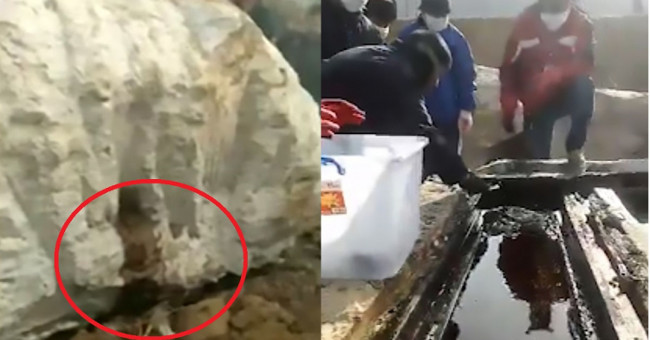
Villagers in Hebei, China discovered that the rock was flowing out of blood like blood when starting a construction.
Archaeologists discovered traces of an ancient palace that acted as a summer retreat by the king of Newsweek, the king, yesterday.