Discover science
How was the picture theft Mona Lisa decoded?
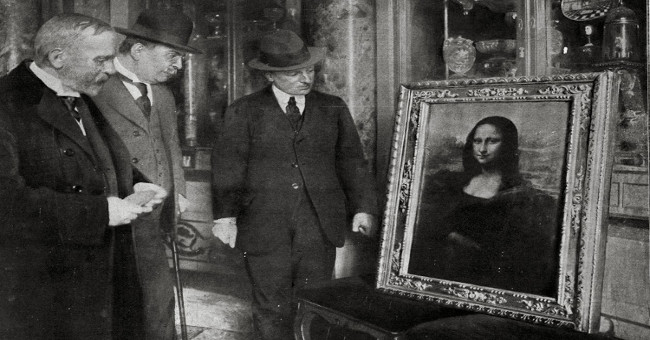
On August 21, 1911, Leonardo Da Vinci's famous Mona Lisa was stolen from the Louvre in Paris, France by the thief Vincenzo Perugia, a former museum employee. The theft h…
Browse ScienceInfo articles and explainers related to Sa Pa.
39 published items.
On August 21, 1911, Leonardo Da Vinci's famous Mona Lisa was stolen from the Louvre in Paris, France by the thief Vincenzo Perugia, a former museum employee. The theft h…
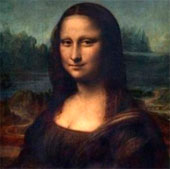
Leonard da Vinci was a Renaissance master, interested in not only art but also anatomy, geology, literature ..., thinking of primitive hydraulic and airplane systems.
Wagasa really became an object of secrecy after the Edo period, ie mid-Meiji and Taisho.
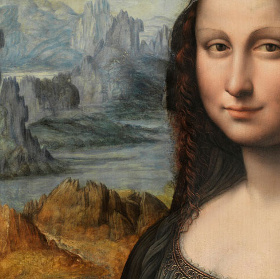
A picture at the Prado Museum in Madrid is what surprised the world of art and history when it was proved to be drawn at the same time as the Mona Lisa painting.
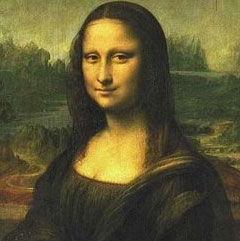
Leonardo da Vinci is an Italian Renaissance master painter. He left one of the famous

A picture is said to be the first copy from Leonardo Da Vinci's Mona Lisa, discovered at the Prado Museum, Madrid. The Prado Museum said, they didn't realize the importa…
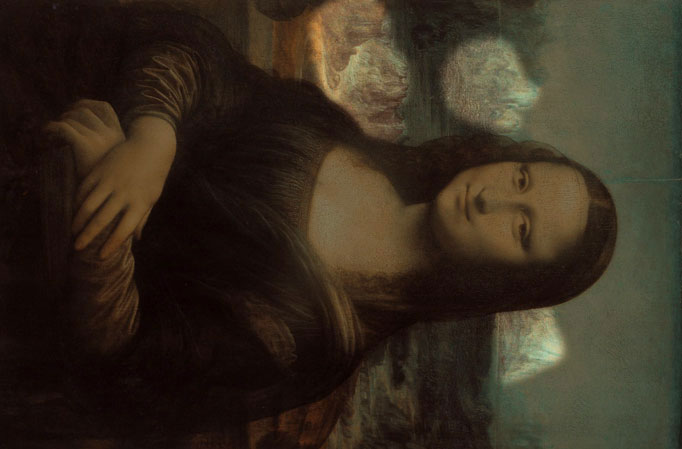
Piccirillo Ron, 37, said he found images of monkeys, lions, and buffaloes in dark areas above and below the picture.

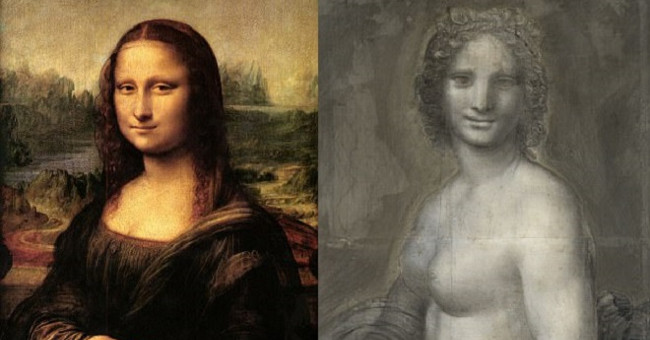
Art experts in Switzerland have found evidence that the first version of the Mona Lisa is also a work of Leonardo da Vinci.

NASA's upcoming Mars mission will be a challenging and demanding journey. One of the most important stages is to ship the landing pillar.

Scientists from the US Aeronautics Agency (NASA) have fired a laser beam forming the famous picture of Leonardo da Vinci on a spacecraft flying around the moon.

Characteristic identification of clover leg Sa Pa - Gracixalus sapaensis - is an adult male with an average body length of 30mm, maximum 36.9mm and smallest of 20.8mm.
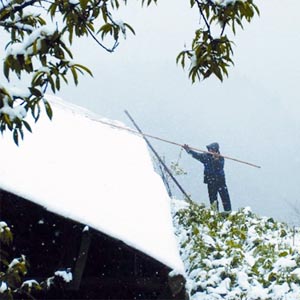
Tourists enjoy admiring the fascinating natural phenomenon in Sapa, but for scientists, this is an unusual snowfall.

These cable cars not only attract a large number of tourists but also unique architectural works, built with feats.