Science Events
Unknown seeds discovered right on the stovetop
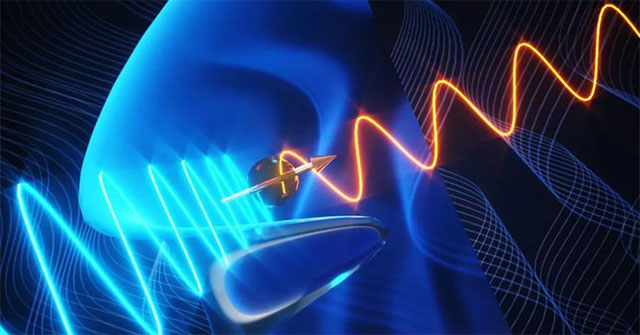
Researchers have discovered a new type of particle that is magnetic with the Higgs boson.
Browse ScienceInfo articles and explainers related to Seed.
505 published items.
Researchers have discovered a new type of particle that is magnetic with the Higgs boson.
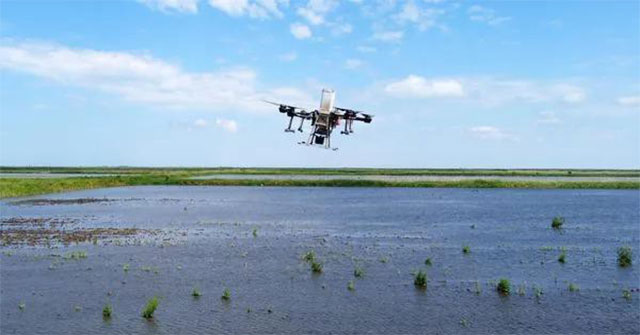
In the Krasnoyarsk region, Russia, for the first time rice is sown by drones. Thanks to technology, it is possible to sow up to 150 hectares per day.
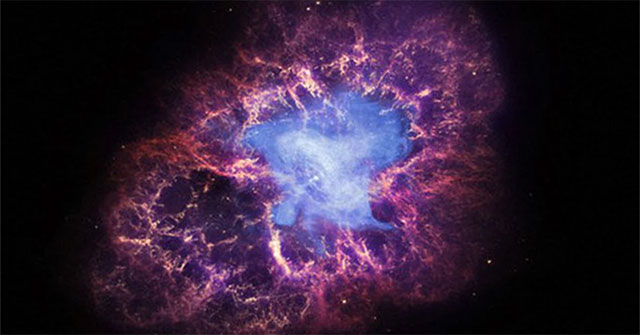
The world's most powerful supercomputer and artificial intelligence (AI) techniques have successfully simulated how carbon-12 - the seed of humans, species and even alie…
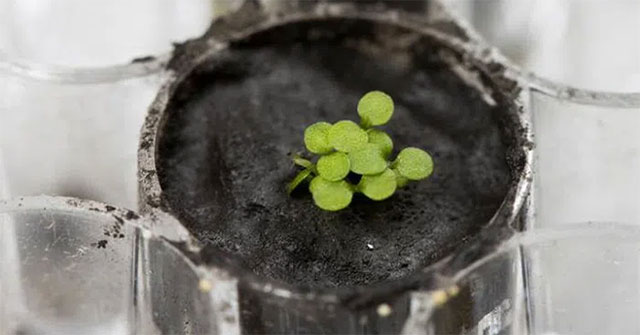
Researchers at the University of Florida (USA) have successfully grown Arabidopsis thaliana on lunar soil that was brought back to Earth by the Apollo astronauts.
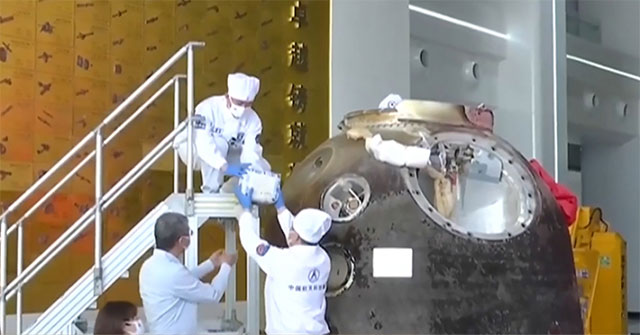
About 12,000 seeds brought back to Earth by the Shenzhou spacecraft from the Tiangong space station will be planted for research and breeding purposes.

Saudi Arabia embarked on the first phase of artificial rain operations in areas above Riyadh, al-Qassim, and Hail on April 26.
Massive gravitons may have formed a trillionth of a second after the Big Bang, with an excess large enough to form dark matter.

A team of US scientists is working on a project to make artificial snow to help solve the worst drought in 1,200 years.
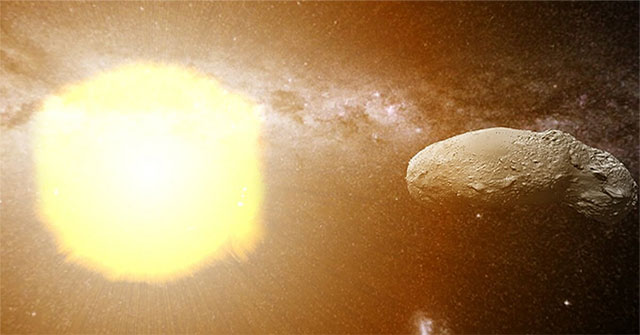
The sun, or specifically the solar wind, can be the source of seeds for the Earth's oceans, and the condition for all living things and ourselves to be born.
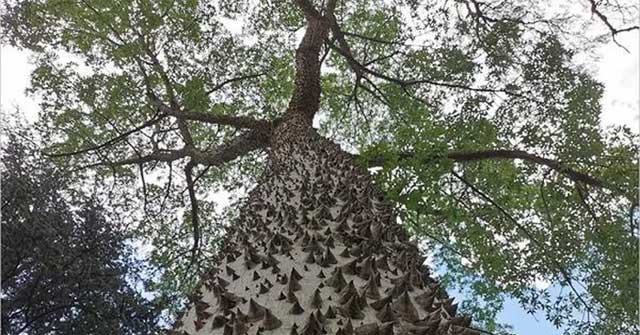
Just by its appearance, it is easy to identify the Vong Dong tree as a dangerous plant. They are known as one of the 5 most poisonous plants in the world.
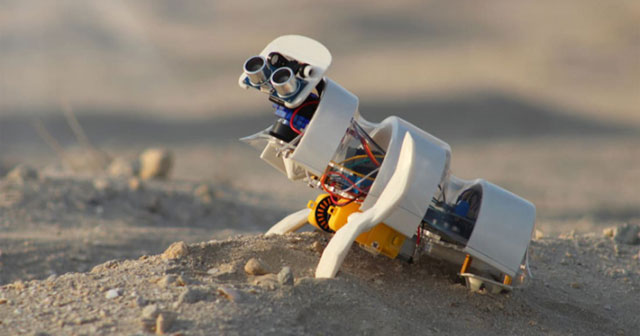
Robot A'seedbot is equipped with a solar battery, which can be charged during the day and then works at night within a radius of 5 km.
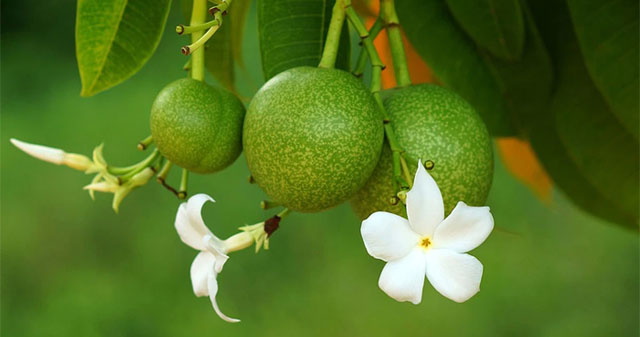
The suicide plant Cerbera odollam contains toxicity in the seeds. In the 19th century, thousands of people died each year from this poisonous plant.
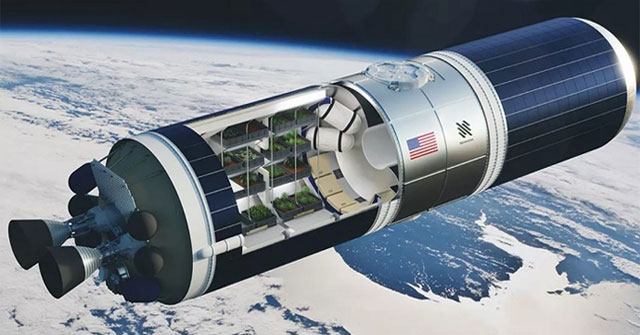
The company's high-tech greenhouse StarLab Oasis will grow mutant seeds in space in the desert and in Earth's orbit.
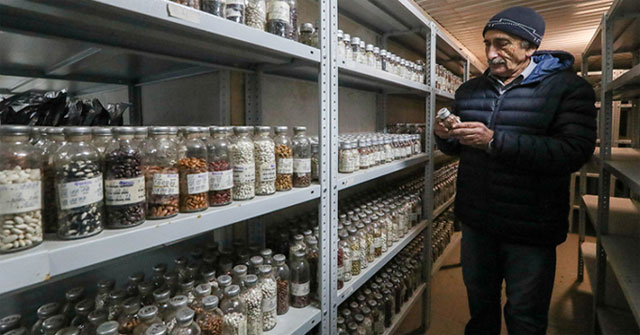
Russia is testing a seed storage facility that relies entirely on natural cold conditions to save electricity in Yakutia.
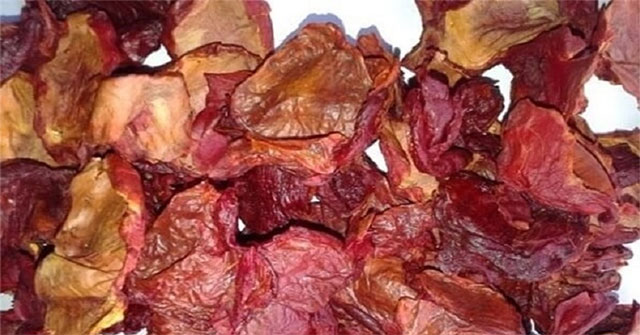
Vietnamese scientists have successfully prepared lycopene compounds from gac seed membranes, nano-sized to help the body absorb easily, and have just been granted 2 pate…