Biology
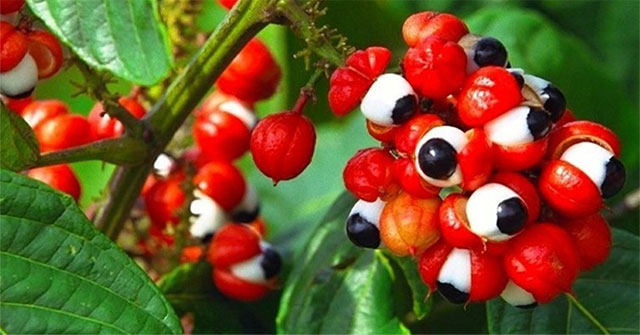
'Brazilian apple': A miracle fruit for health, more valuable than coffee
Compared to coffee, guaraná – the fruit known by the creepy nickname 'eyeball', has four times more caffeine.
Browse ScienceInfo articles and explainers related to Seed.
505 published items.
Compared to coffee, guaraná – the fruit known by the creepy nickname 'eyeball', has four times more caffeine.

Scientists have successfully grown a mysterious 1,000-year-old seed discovered in the Judean desert and obtained a specimen of a plant mentioned in the Bible.
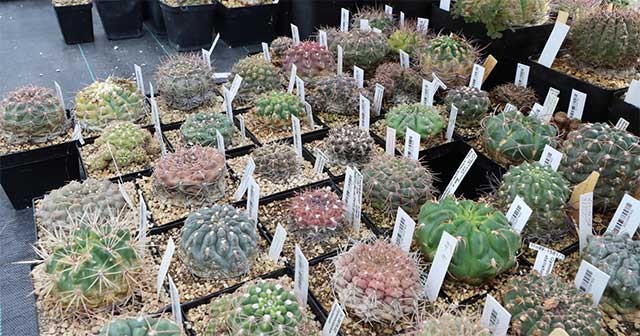
Founded 200 years ago, the Meise Botanical Garden (near Brussels, Belgium) with an area of 92 hectares is one of the largest and oldest botanical gardens in Europe.
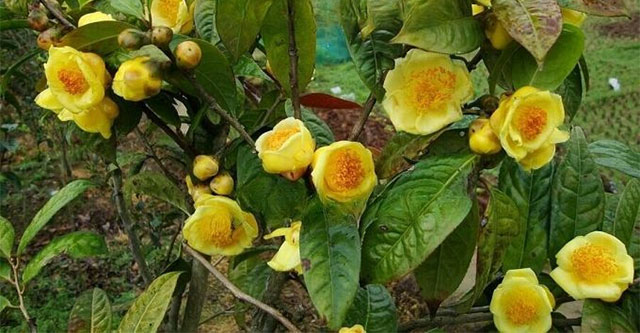
Scientists at the Center for Tropical Forestry coordinated with a number of research units to successfully build a process for producing seeds and medicinal herbs from 3…
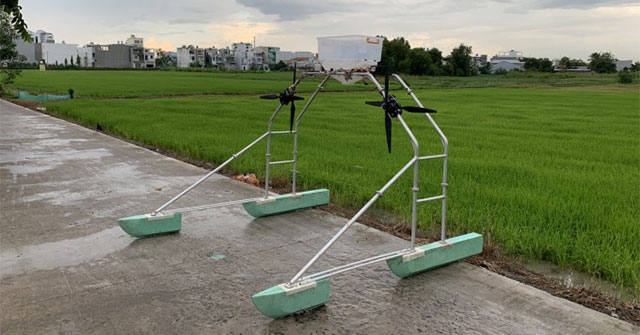
Associate Professor, Dr. Vu Ngoc Anh and his colleagues built a field walking machine that can sow seeds, spray chemicals, and fertilize, with an average yield of 4 hect…
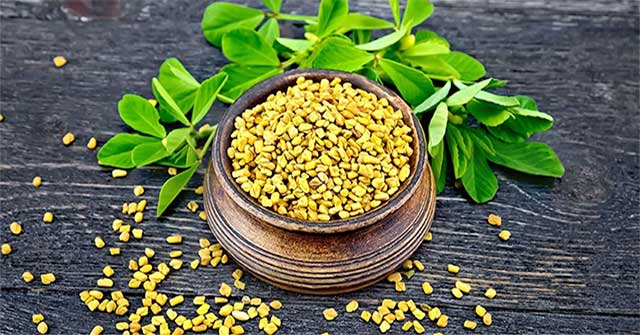
Not only does it help balance blood sugar, this plant is also 'the antidote to cancer' and is very good for health.
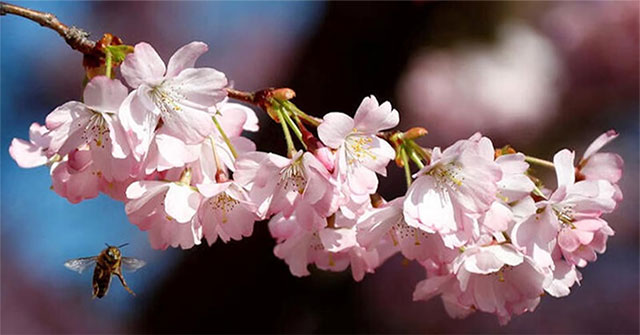
Newly published research on genomic data from 9,506 species, as well as examining 200 fossils, provides the deepest insight to date into the evolutionary history of flow…
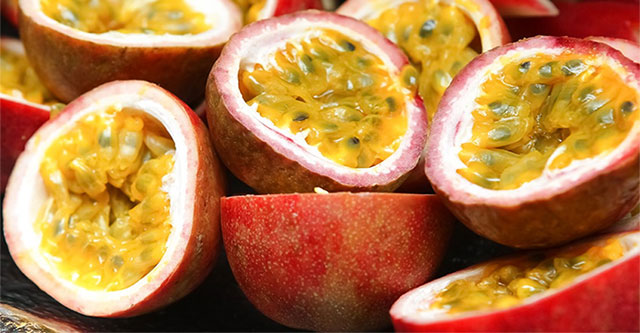
In addition to the pulp of the passion fruit, the peel and seeds also contain many uses but are often overlooked.

Faced with a future of severe water shortages, the United Arab Emirates has launched a project to increase regional rainfall.
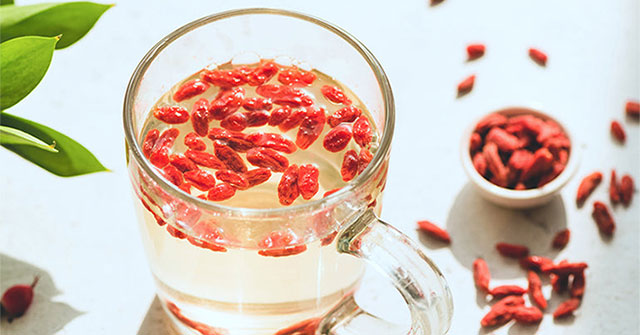
This type of water, in addition to stabilizing blood sugar, also helps strengthen the immune system, nourishes the eyes, and beautifies the skin.
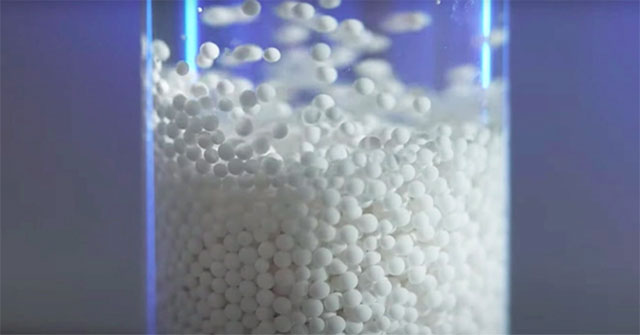
Scientists have successfully created a mini drug factory, the size of a needle that can treat cancer in a few days.
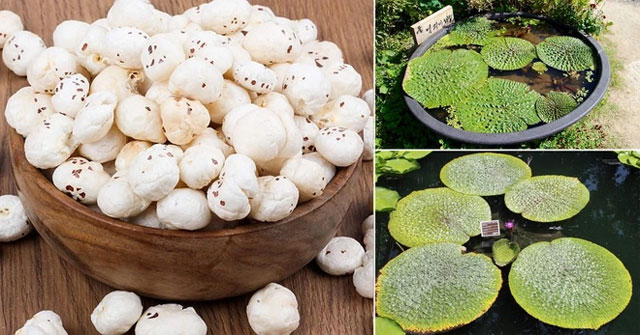
Recently, an Instagram account surprised when sharing a clip of a special fruit picked from black mud, inside there are many beautiful seeds like pomegranate seeds.
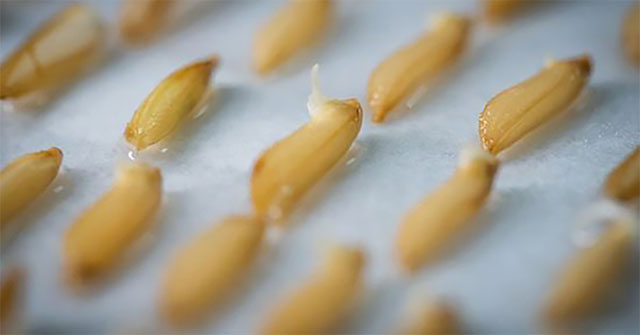
Many experiments on breeding plants and mutant microorganisms on the space station are carried out by China to create superior strains.
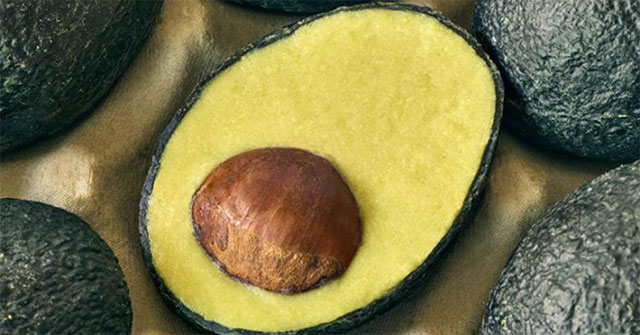
British researchers make fake avocados from beans and seeds, making use of local ingredients and being more environmentally friendly.
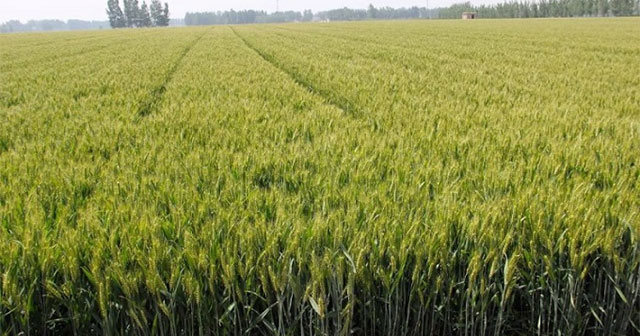
Wheat, rice, corn, soybeans... are sent into space in short flights to help scientists develop new high-yielding and disease-resistant varieties.