
Funny corner
Strange earthquake-proof tower with toothpicks in Japan
A technical university in Japan is famous for its unique contest to build earthquake-resistant toothpick towers.
Browse ScienceInfo articles and explainers related to Seismic.
235 published items.
A technical university in Japan is famous for its unique contest to build earthquake-resistant toothpick towers.

The place long thought to be a boring iron block deep inside the Earth could be a very complex world, research from the University of Hawaii (USA) asserts.
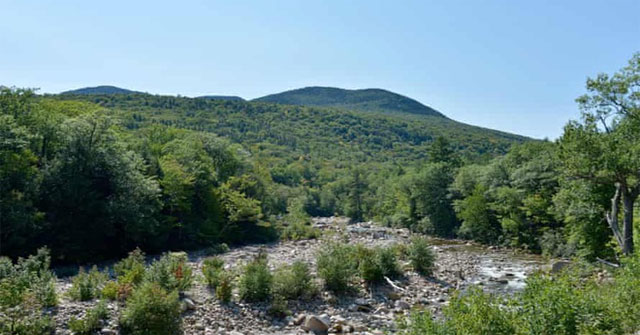
Authorities are investigating the cause after many residents in New Hampshire, Massachusetts reported hearing a loud bang and feeling the shaking.
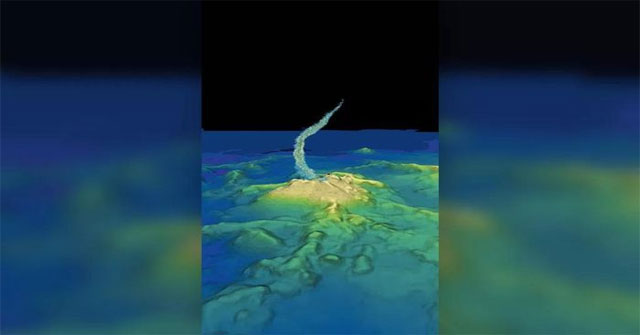
Scientists have discovered the 820m-high volcano in the western Indian Ocean, off the coast of Madagascar, after a series of extremely puzzling earthquakes.

The researchers found an unusually large structure of dense hot rock hidden deep within the Earth, below the Pacific Ocean.

The researchers propose to use existing undersea optical fiber cables as a seismic detection tool.

Earthquakes have always been a frightening natural phenomenon, and it becomes more dangerous as growing cities come with the risk of collapse of tall buildings.
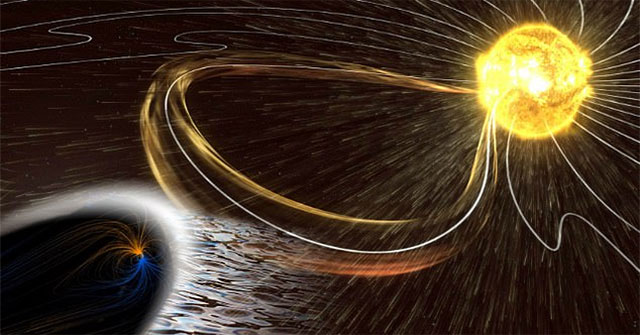
Astronomers first recorded the mysterious 'song' of the Earth's magnetic field during a solar storm attack.

According to American scientists, strong ocean storms can be the source of earthquakes with magnitude greater than 3.5 magnitude.
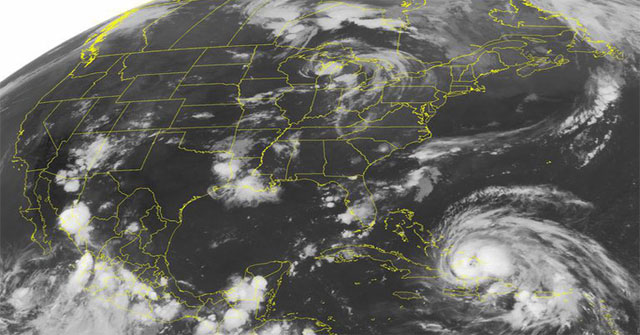
Scientists have just discovered a new geophysical phenomenon: the combination of two terrifying disasters, storms and earthquakes.
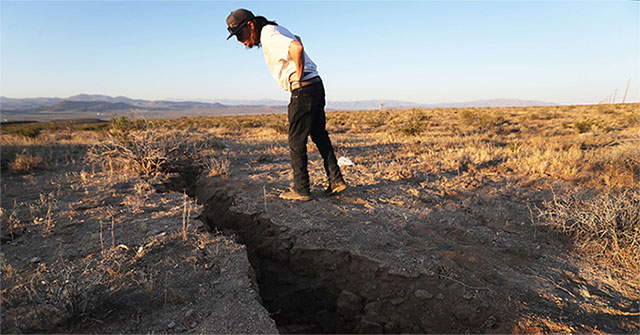
For many years, US geologists have warned of the possibility of a huge earthquake along the San Andreas fault that cuts through California (USA) because its 150-year cyc…
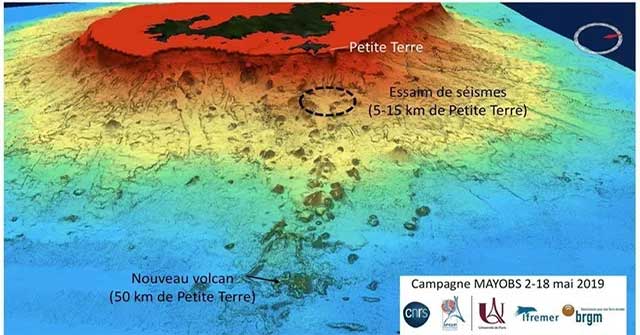
The birth of an underground volcano near a French island between Africa and Madagascar could shed light on a riddle that made it difficult for scientists since 2018.
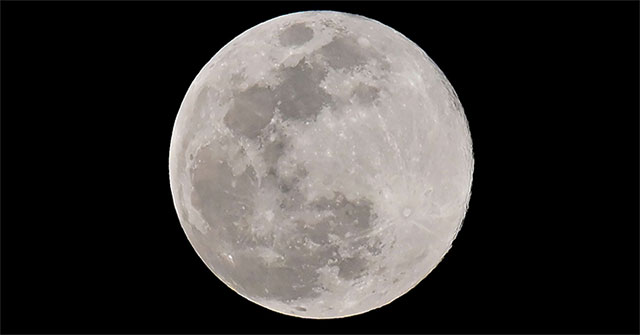
The moon is shrinking, creating surface folds and earthquakes - that is the conclusion published by the scientific community in the journal Nature Geoscience on May 13.

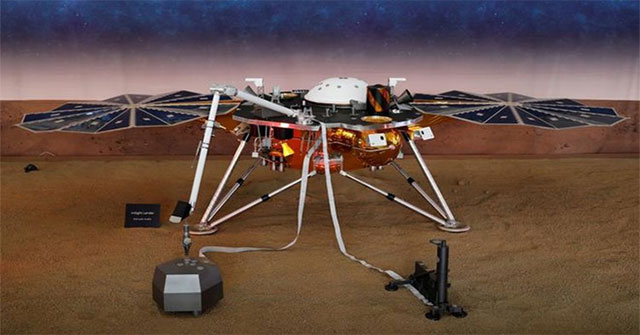
Five months after landing in Mars, NASA's InSight spacecraft recorded the signal of the supposed phenomenon.