
Discover science
Discover China's largest desert, a place that is considered 'easy to enter, hard to return'
As the largest desert in China today, Taklimakan has long been famous as a place
Browse ScienceInfo articles and explainers related to Silk.
194 published items.
As the largest desert in China today, Taklimakan has long been famous as a place

Archaeologists say that just touching these two things in an ancient tomb can cause great damage.

This discovery shocked Chinese archaeologists.
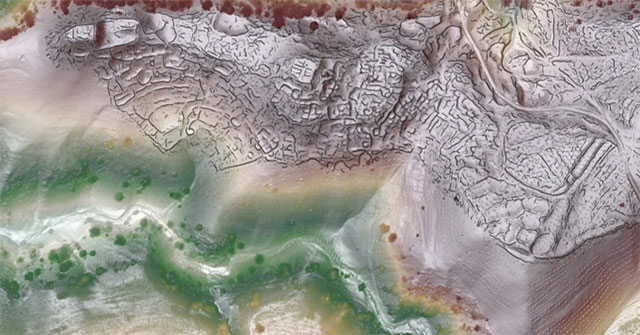
A team from the Uzbekistan Academy of Sciences used lidar technology to map the area where two medieval cities were discovered.
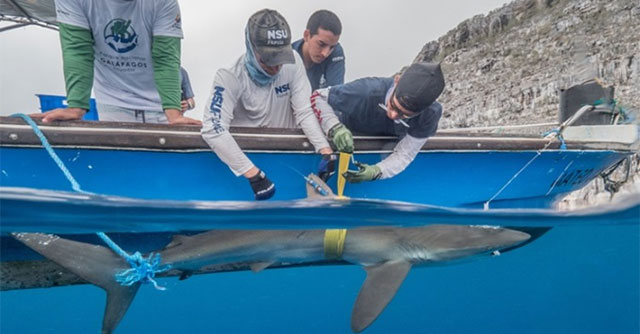
A silk shark broke a world record by migrating tens of thousands of kilometers in 546 days.

Thanks to its extremely unique silk-spinning mechanism and knowing how to take advantage of air currents, Darwin's bark spider can build a 25m long 'bridge' across the r…

Scientists have unearthed jade artifacts, precious jewelry, as well as silk clothing, ceramics and lacquered wooden coffins in the ancient tomb.
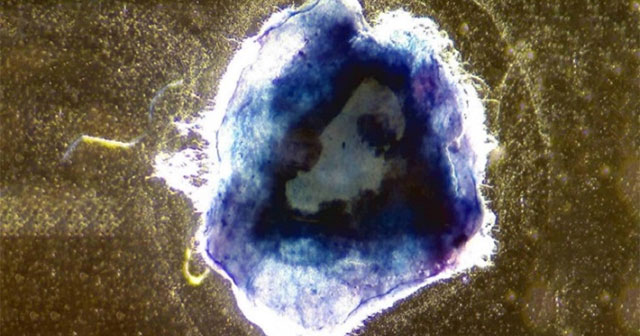
Scientists successfully simulated the process of tooth formation of a star star and applied it to create a durable, biodegradable, carbon-fibre material.

The method of using silk to catch the pulse has appeared in many Chinese films, even making the Qianlong king believe it is real.

This stunning dress has gone down in British royal history with amazing details that, after 70 years, are still intact.
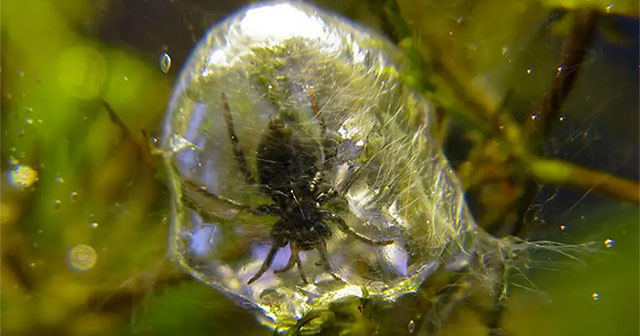
What could be more surprising than a spider that has no gills to breathe underwater, but still lives, hunts, and even reproduces underwater?

Roman civilization was a time when ordinary citizens could buy goods from all over the world. For them, anything that is trendy or provides entertainment is appreciated,…
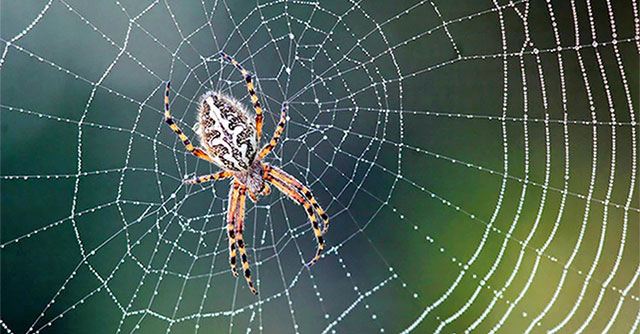
Spider webs have a big function to catch prey, but they can also be used as a device, according to a new study.
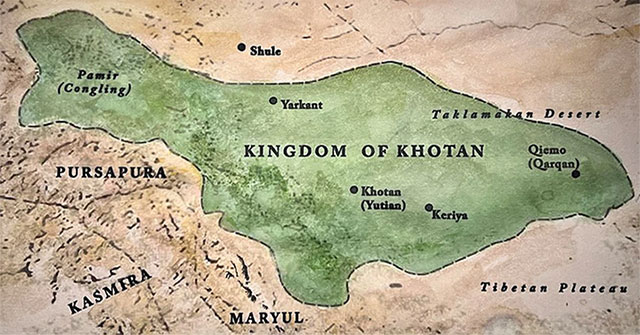
Human history has largely forgotten the 'jewel' of Khotan, the cradle and cultural bridge of Buddhism on the branch of the Silk Road.
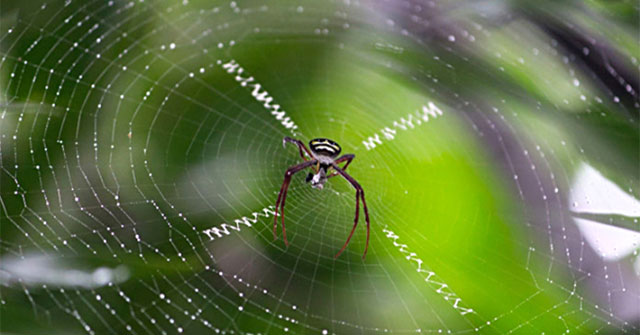
Swedish scientists have found a way to use spider silk protein to boost p53, a cancer-killing protein in humans.