
New technology
Method of production of artificial silk
The Japanese company Spiber said it has found a new way to produce artificial silk to meet the needs of the textile industry.
Browse ScienceInfo articles and explainers related to Silk.
194 published items.
The Japanese company Spiber said it has found a new way to produce artificial silk to meet the needs of the textile industry.

The Japanese spider company created a spider silk fiber called Qmonos (meaning spider web in Japanese).
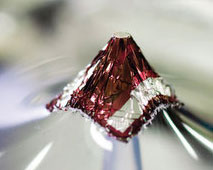
The solar cells that Austrian and Japanese scientists have announced are thinner than spider silk, with so much elasticity that they can be wrapped around the hair.

Not only used to make bulletproof shirts, silk spider silk is now also used to make violin strings.

After years of effort, the scientific community may eventually find a way to create armor from spider silk that is both light and firm.

A Dutch cell biologist and artist has created a synthetic silk spider silk and human skin that can reduce the radius of the rifle bullet to half.
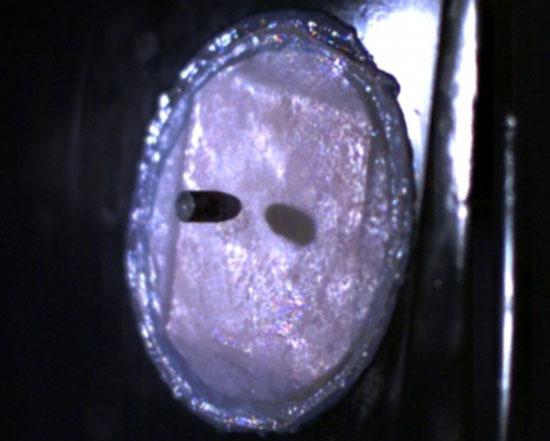
Dutch scientists have found a way to develop man-made skin, 10 times stronger than steel and bulletproof.

Future electronic reading devices and LED displays can be made of silk, thanks to the breakthrough innovation of Taiwanese researchers.

Professor Shigeyoshi Osaki of the Nara Medical College (Nara Prefecture) of Japan has successfully built violin strings from spider silk.

Scientists have recently discovered that it is possible to rely on the crystal structure of spider silk to create new materials.

Chinese researchers based on the dew drops on the surface of spider silk invented an artificial fiber that could absorb water in the air.

Spider silk is already stiffer and lighter than steel, but now scientists have figured out how to increase its hardness by three times by adding a small amount of metal.

From the idea of finding new materials to replace cotton and silk, Gary Cass, a West Australian University laboratory technician, invented a fermented fabric that could…

Natural materials such as spider silk, collagen and cotton could be a cheap and abundant source of materials for nanofibers, according to Chinese and American scientists.