
Biology
The frightening appearance of the parasite on human face
There are two species of Demodex common on human skin, Demodex folliculorum, often parasitic in hair follicles, hair and Demodex brevis usually parasitic in the sebaceou…
Browse ScienceInfo articles and explainers related to Skin.
1,441 published items.
There are two species of Demodex common on human skin, Demodex folliculorum, often parasitic in hair follicles, hair and Demodex brevis usually parasitic in the sebaceou…

A caterpillar that feeds on tobacco leaves contains toxic nicotine, has used the technique
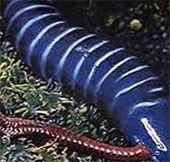
On the outside, this species looks like normal worms, living mainly on the ground. Due to living in a dark environment, the visual organs of this amphibian completely di…
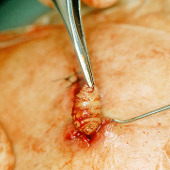
The nightmare for all travelers has come true for an Australian couple while on vacation in South America: The carnivorous maggots began to nest under their skin.

The new drug-resistant virus kills a patient at the Medical Center of the National Institute in Maryland (USA). This is the 19th patient in the hospital with drug-resist…

Dangerous bacteria that killed four children in Northern Ireland in the past months have been discovered at a hospital in England.
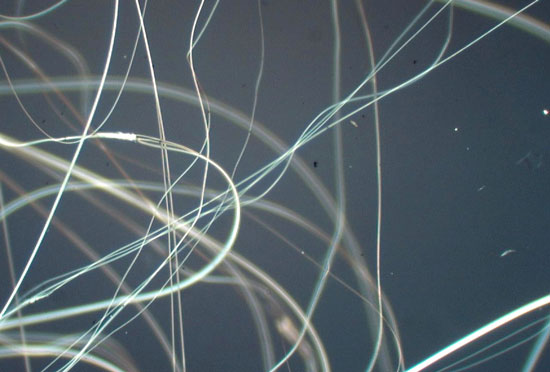
German scientists claim they have completed the first steps in the effort to turn spider silk into artificial skin.

Being bitten by insects is not a rare thing in everyday life. However, subjectivity can lead to very serious consequences for health and life.

Doctors at Concord Hospital in Sydney, Australia are studying ways to help patients burn by creating alternative skin layers in the lab.

Chinese researchers used light-emitting rays (ATP) to illuminate the number of bacteria on devices that are frequently exposed to humans.

Japanese researchers have published the results of a study to detect a type of adult stem cell and bone marrow bone.

Dutch and Swedish scientists have discovered stem cells of all types of skin cells.

US scientists say they will first experiment directly on mice to convert skin cells into nerve cells through

Professor Richard Gallo and colleagues have been studying the skin surface of people with certain bacteria to help prevent ulcer-related diseases.

French scientists have found a way to quickly create human skin from stem cells.