Oceanography
Useful of the trapeziid:
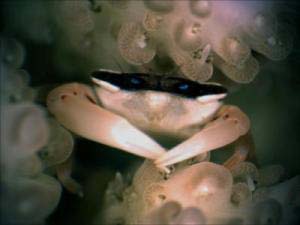
Small crabs living in the South Pacific coral can help corals not die by doing regular
Browse ScienceInfo articles and explainers related to Small.
2,255 published items.
Small crabs living in the South Pacific coral can help corals not die by doing regular
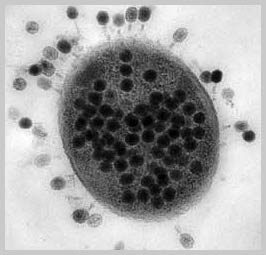
The ocean has many creatures: big, small, and extremely small. Microbial viruses (phage) are microscopic and self-replicating biome communities that can alter the geneti…
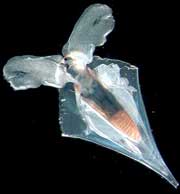
Under the eternal black water of the Bermuda Triangle, scientists have discovered a series of interesting, diverse and eye-catching sea creatures.

Hydrolagus colliei fish have a muzzle and mouth that looks like a rat, so it is called a rat or a rat-rat fish. However, its size is not as small as a mouse, but it is n…
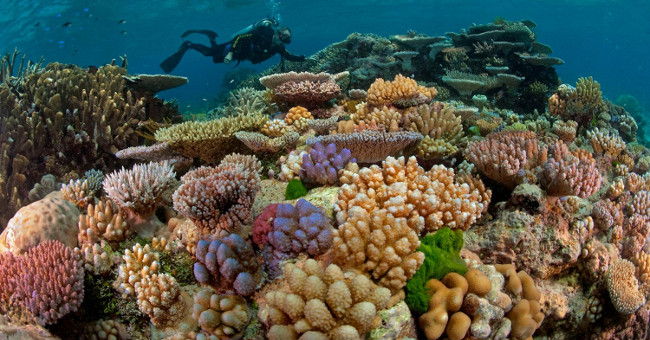
Corals are coral class marine organisms (Anthozoa) that exist in the form of small polyps like anemones, often living in populations of many identical individuals.
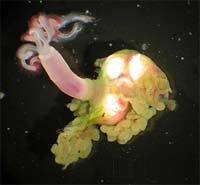
The worm lives on the skeleton of a small gray whale in an undersea gulf off California as the first known whale-eating seaworm. On the whale bone, once the worms have b…
The 110-million-year-old fossil was identified as belonging to a small dinosaur bird that could easily be held in hand.

Weighing only about 3.5kg, the new gibbon fossils discovered in Tugen Hills, Kenya were identified by scientists dating back 12.5 million years ago.
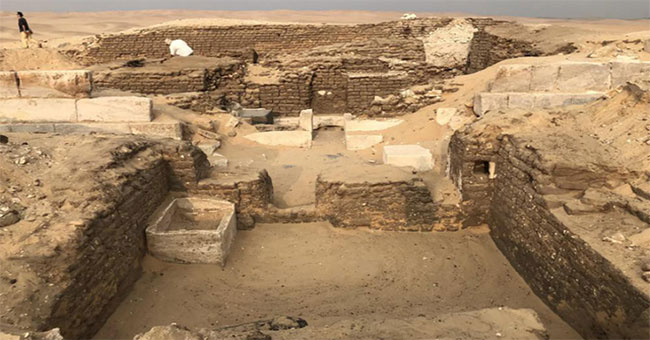
Archaeologists from the Czech Republic have discovered a mysterious 4,400 year old tomb near a pyramid at Abusir in Egypt.
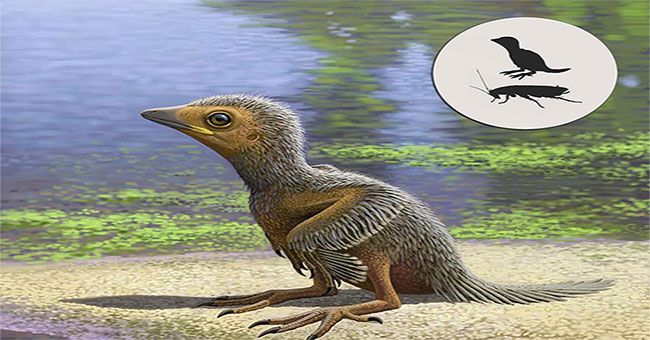
Scientists have discovered a bird of small size like grasshoppers that lived at the same time as dinosaurs, the largest animal that ever existed on Earth.
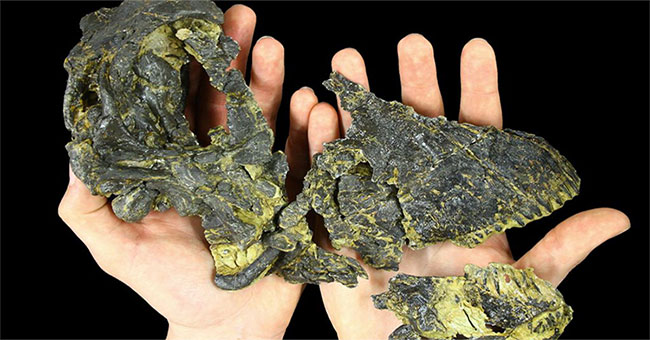
Known as the largest animal on the ground, however, scientists have recently discovered a much smaller-sized herbivorous dinosaur skull that shocked the scientific commu…
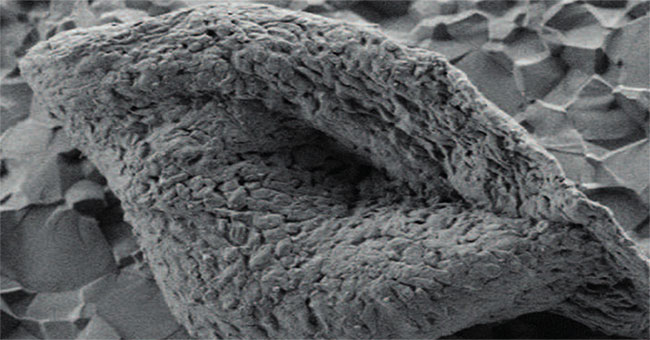
The multinational team analyzed small rocks that were excavated five years ago, in the Strelley Pool, Pilbara (Western Australia).
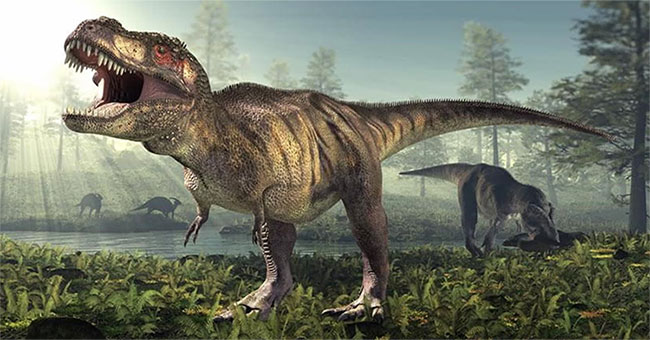
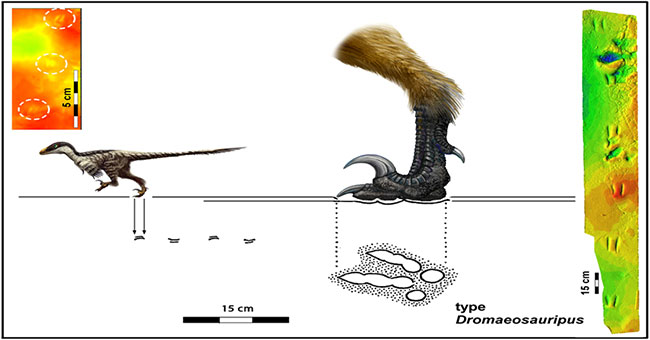
According to archaeological experts, these footprints can be classified into 7 different dinosaurs.
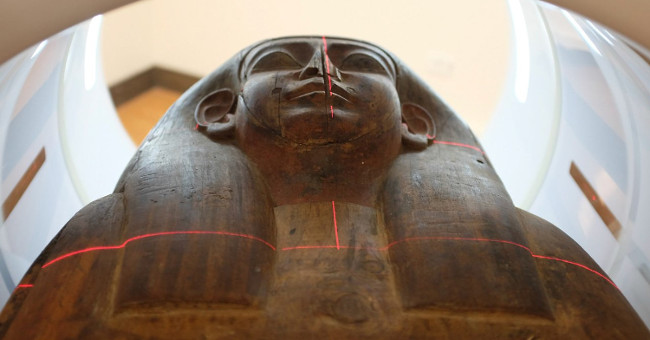
When taken to the museum, the artifact is classified as an empty coffin, containing a small amount of rubble inside.
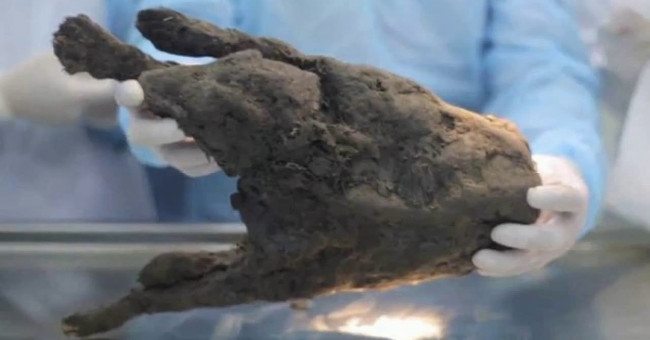
Scientists recently thawed the mummy of a puppy thought to be extinct 12,400 years ago and found it in thick ice in Siberia.