Medicine - Health
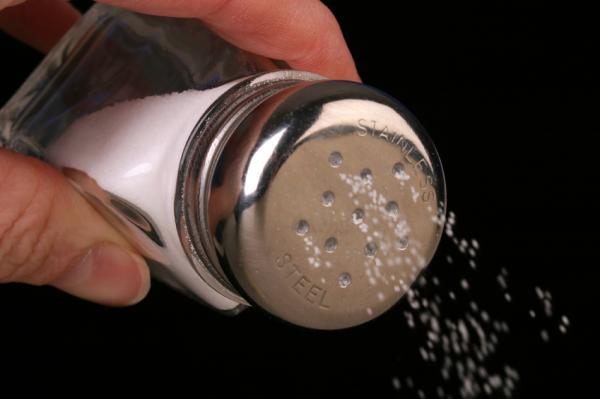
Salt is a natural antidepressant
Most people consume too much salt, and a University of Iowa researcher has discovered a potential reason for this habit: it helps our mood better.
Browse ScienceInfo articles and explainers related to Sodium.
78 published items.
Most people consume too much salt, and a University of Iowa researcher has discovered a potential reason for this habit: it helps our mood better.

Two-thirds of the adult body is water. A person with a body weight of 68 kg has 38 liters of water, of which 23-26% is in cells, 7.5% in the surrounding environment and…

According to a study published at Sheffield University (UK), a preservative commonly used in soft drinks such as Coca Cola and Pepsi can invalidate some important functi…

Everyone knows that eating lots of sausages is not healthy. But a new study also found that sausages can contain ingredients that mutate DNA and increase the risk of can…

Using a small needle injected into the joint and some software around the joints is a common procedure used in hospitals to treat certain diseases such as osteoarthritis…

Currently, this problem is a fever in the US and European countries. The Food Standards Agency (FSA) is conducting an investigation following the results of testing 230…
One study found a link between diuretics and a reduction in sodium and potassium levels - two basic electrolytes. Low electrolytes can cause hypotension and arrhythmias.
A, B, C, minerals such as magnesium, sodium ... but not all fruits can be obtained. Recently, information on cucumber has used poisoning chemicals for users, many people…
Here are some common substances used in food preservation and the risk of human health.

You won't have to spend much money on the heating system at home anymore.

A research team from Stanford University has developed into a battery park that uses sodium at a much cheaper cost than lithium-ion batteries.
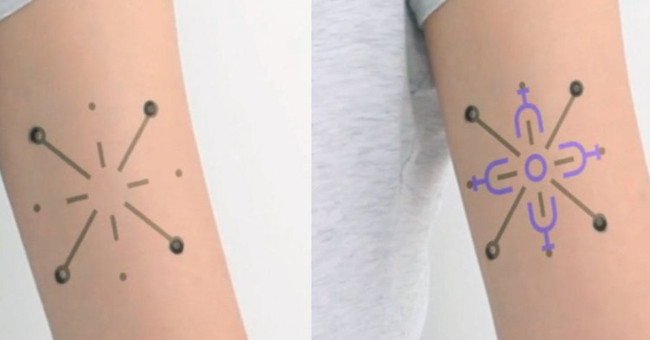
New tattoo ink can change color according to health status.
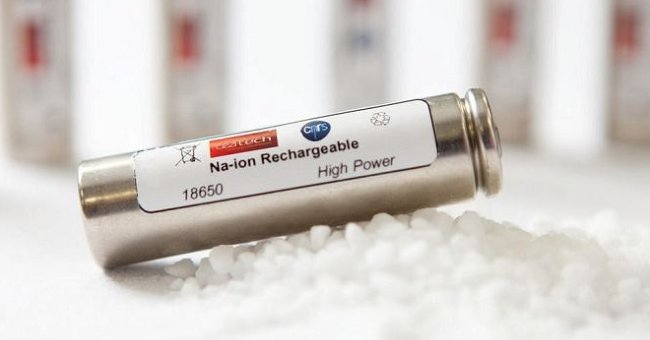
French scientists have successfully developed a battery that uses sodium ion in accordance with industry standard 18650.

Russian chemists together with their Singapore and Israeli colleagues have created new materials to produce anode for sodium-ion batteries.
Today, there are many new battery technologies that scientists are turning to, such as small, lightweight Li-S batteries, or fast rechargeable batteries.