
Biology
The plant reacts with salt like human reaction to pain
A new study has found that plants are creating a calcium wave to be able to survive in increasingly salty soil.
Browse ScienceInfo articles and explainers related to Soil.
479 published items.
A new study has found that plants are creating a calcium wave to be able to survive in increasingly salty soil.
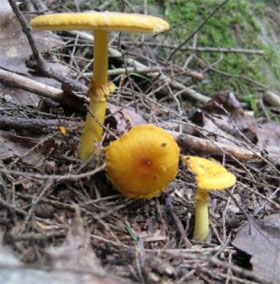
Recent research scientists say, symbiotic fungi living in plant roots have a major impact on atmospheric carbon.

After 10 years of planting mangrove forests, people in Vinh Hai commune, Vinh Chau district, Soc Trang province were able to cultivate onions into fertile fields.

By traditional breeding methods, city scientists in Siberia and Russia created fast-growing plant varieties capable of decontaminating soil.
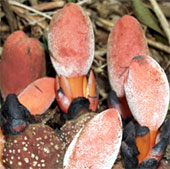
Most plants live in high mountains, and are precious medicinal species in the folklore. However, the number of species is very rare for even plant researchers.
Chinese authorities are investigating three rice mills in Hunan province, central China, after discovering rice produced by these facilities contains cadmium industrial…

Money does not grow on trees but gold is possible. An international team of scientists has found a way to develop and harvest gold from crops.
Scientists from the British Biotechnology Research Council and a number of other research institutions have hybridized long-tail buffalo tailed grass and turf grass to c…

Scientists were completely surprised when they discovered the bacteria in the brain because so far, the human brain has been seen as an inviolable stronghold for bacteri…
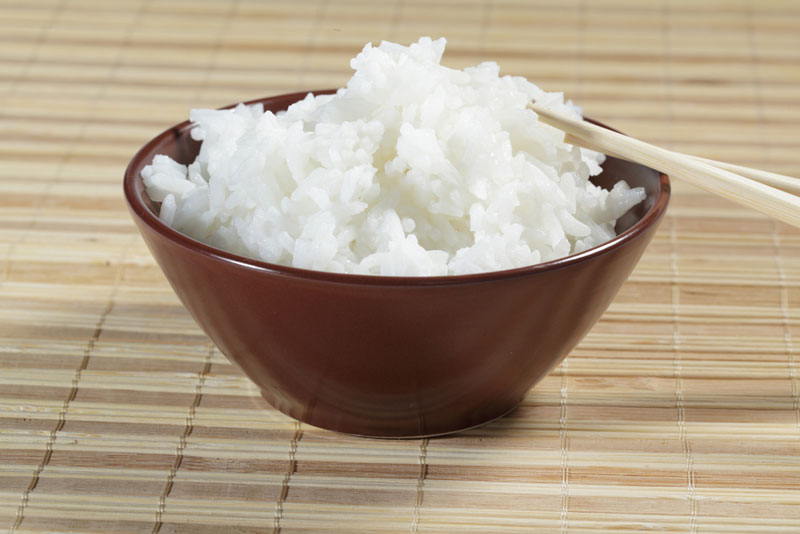
Results from a recent study in Consumer Reports show that inorganic arsenic - still known as carcinogen - is found in more than 60 popular rice products.
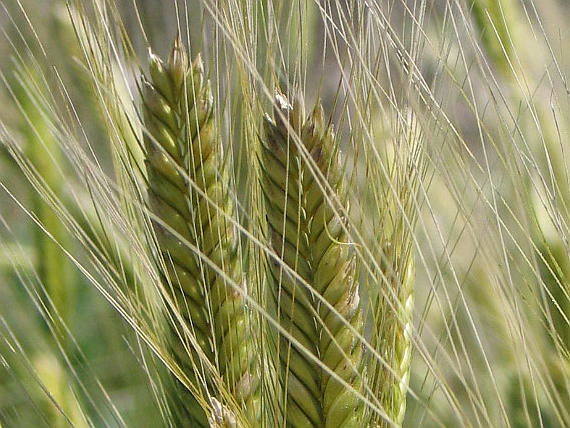
Using conventional breeding techniques, scientists at the University of Adelaide and the Commonwealth of Science and the Industrial Research Organization (CSIRO) have re…

Genetically modified corn - a plant created to resist pests - may be losing its effectiveness when pests can adapt to new plants.
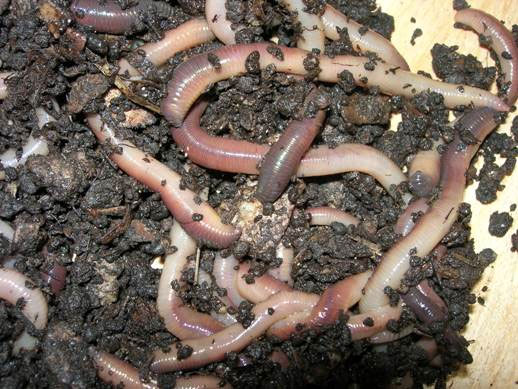
Earthworms can help keep water in the soil during the dry season, prevent flooding and reduce the impact of global warming.
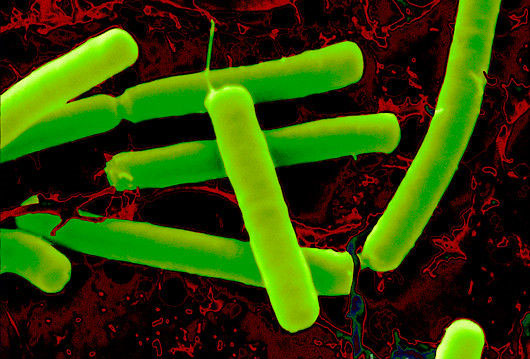
Scientists have studied a strain of harmless bacteria that could soon be used as a useful and alternative method for drugs for cancer treatment.
Under the auspices of the British Biotechnology and Research Council (BBSRC) in collaboration with the French National Institute of Agricultural Research (INRA), scienti…