
History
Battlefields where Emperor Caesar massacred 150,000 people
The greatest emperor of the Roman Empire killed 150,000 people in a battle with two tribes on Dutch soil.
Browse ScienceInfo articles and explainers related to Soil.
479 published items.
The greatest emperor of the Roman Empire killed 150,000 people in a battle with two tribes on Dutch soil.
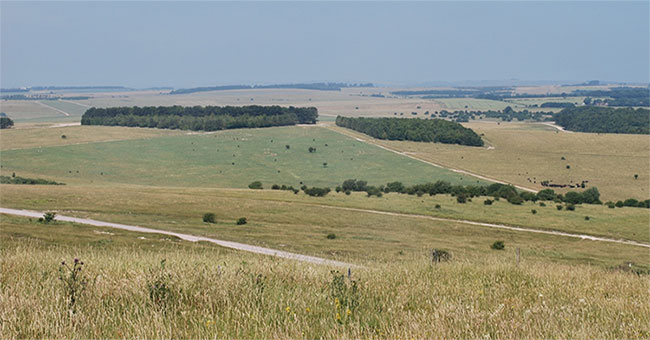
The study, published in the latest issue of Digital Ecology, found that the characteristics or characteristics of plants play an important role in regenerating soil fert…
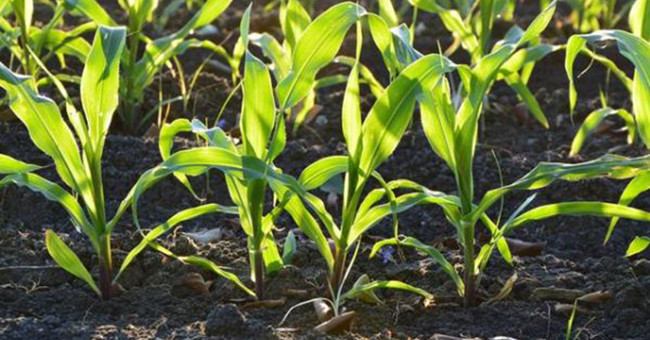
The scientists explained that the increase in crop production is due to silicate rock that helps protect plants against pests and diseases, while improving the structure…
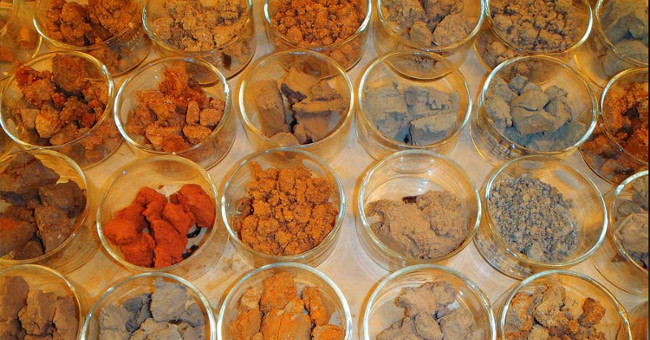
Each soil sample can contain hundreds to thousands of types of bacteria - most of which have yet to be determined.
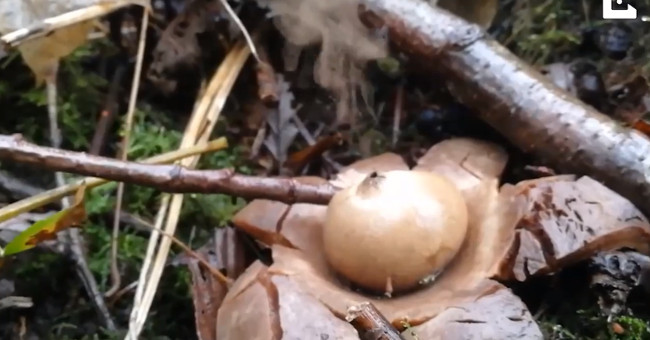
Spores inside the gaestrum mushroom, or soil star fungus, escape when exposed to external influences.
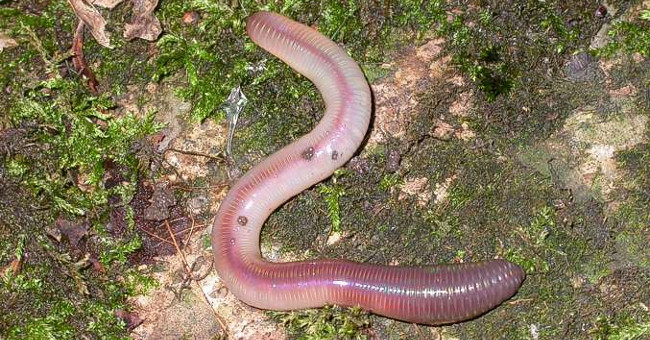
Earthworms are a small animal often found in mud, making soil porous and also making food for many other animals. Earthworms have a special ability, if they are cut into…
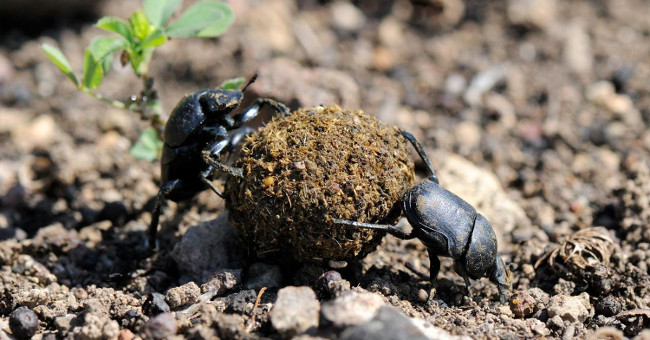
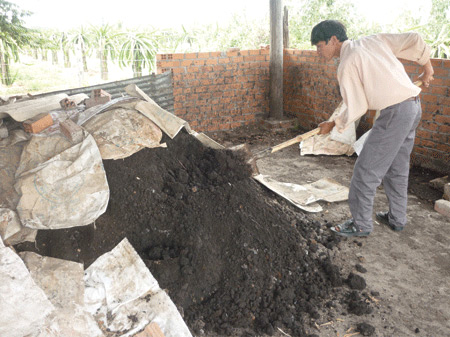
Peat is made up of corpses of different plants. Plant material is accumulated, buried and affected by submerged conditions for many years. With anaerobic decomposition,…
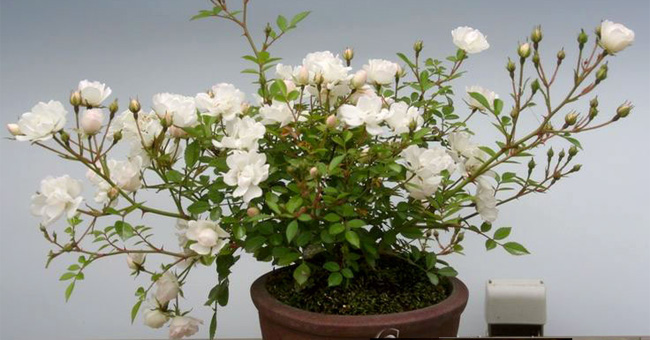
Planting flowers from potatoes, surely you do not believe. Normally, referring to potatoes, surely people will think of fried and fried dishes. But besides being a food…

Weed is a headache for farmers of countries around the world, including countries with advanced technology like the US.
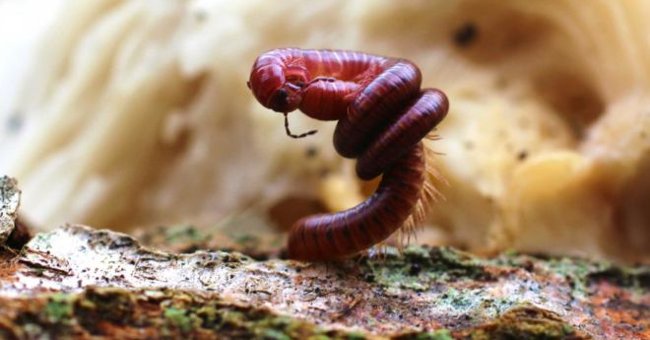
The ground under our feet is a continuous and moving world. One gram of soil (equal to 1/5 of a teaspoon) can contain thousands of bacterial species and millions of indi…

Every Christmas season, humanity spends about $ 15 billion on Christmas shopping and decoration.
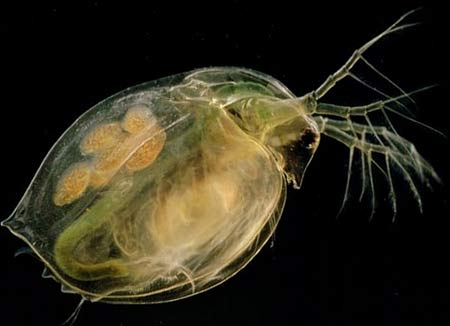
Where on earth without bacteria? In the soil, water, air, from volcanoes to deep sea, there is always the presence of a tiny rod. It was an ancient
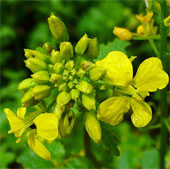
Tests show that mustard plants grown in soil are contaminated by VX neurotoxin, absorbing this toxin through the roots and retaining it for at least 45 days.
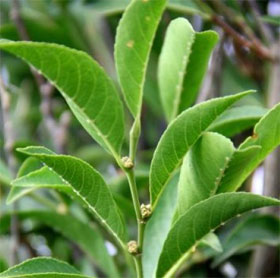
This new plant species is named Rinorea niccolifera, reflecting its nickel absorption capacity with very large volumes.