Space science
NASA has successfully launched the SMAP satellite
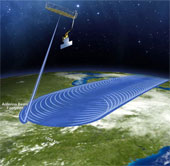
Three days ago, according to the latest scientific news, NASA successfully launched the Soil Moisture Active Passive satellite (SMAP) into orbit.
Browse ScienceInfo articles and explainers related to Soil.
479 published items.
Three days ago, according to the latest scientific news, NASA successfully launched the Soil Moisture Active Passive satellite (SMAP) into orbit.
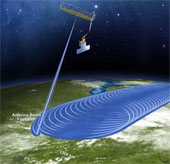
The US space agency (NASA) is preparing to launch the Soil Moisture Active Passive (SMAP) satellite into orbit with a view to measuring soil moisture on a global scale.
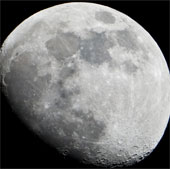
China recently handed over a new spacecraft, expected to be put into orbit this year, to test technologies for the mission to collect soil samples from the Moon.

NASA's mysterious light spot on Mars has sparked new controversies about the existence of life on the red planet.
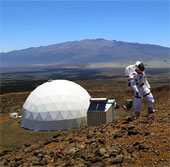
NASA has made many bold plans for the Mars program with the addition of self-propelled ships to the Martian surface by 2020 and will send manned spacecraft by 2030.
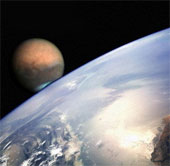
An invention by Russian scientists is participating in the design competition of future Mars self-propelled vehicles, organized by NASA space agency.
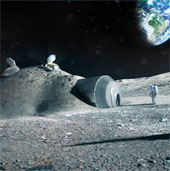
In the late 60s of the last century, humans set foot on the Moon. Currently, European scientists intend to build a base on the moon.
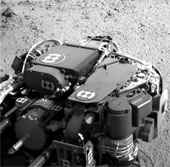
The Curiosity probe of the US Space Agency (NASA) has found a significant amount of water in the soil on the surface of Mars.
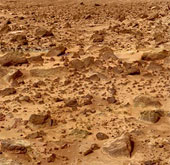
At the Humans 2 Mars Summit, scientists say Mars dust contains many impurities that can be dangerous to human health if inhaled.
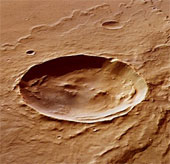
Yesterday the Russian Space Agency (Roscosmos) and the European Space Agency (ESA) signed a cooperation agreement on the search for signs of life on the red planet.
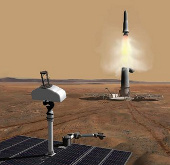
Scientists are studying the possibility of returning the Earth from Mars to the answer: whether life exists here and whether we can visit the planet in the future. hybri…
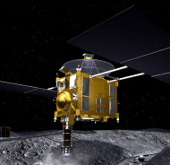
The Japan Space Exploration Agency (JAXA) will launch a spacecraft to a meteorite next year to sample soil and rock.
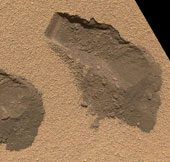
Mars exploration robots deploy the final equipment. Soil analysis showed organic compounds of uncertain origin.
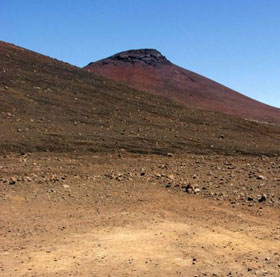
The American Curiosity autonomous robot analyzed soil samples on Mars and found it to be exactly the same state in Hawaii.
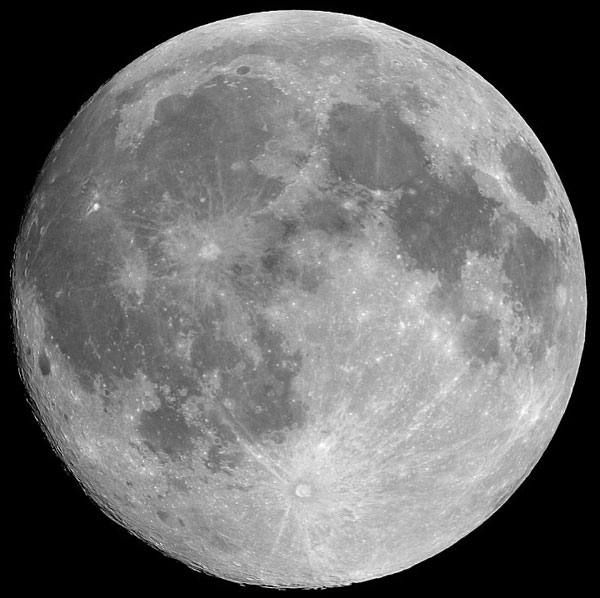
By studying soil samples collected from the Moon after Apollo missions, scientists at the University of Tennessee (USA) discovered that the soil sample contained water i…