
Archeology
'Paddy 3,000 years' is specially protected because of the hot sun
After more than 10 days, the grains of rice revealed from the soil layer dating back to 3,000 have grown into seedlings. The largest tree has a height of 15 cm and has n…
Browse ScienceInfo articles and explainers related to Soil.
479 published items.
After more than 10 days, the grains of rice revealed from the soil layer dating back to 3,000 have grown into seedlings. The largest tree has a height of 15 cm and has n…

On the morning of May 26, hundreds of grains of burnt rice on the soil floor dating back 3,000 years continue to be found by the excavation team at Thanh Den relic site…

Chemical analysis of soil samples in Mexico's Yucatan Peninsula shows that contrary to the judgment of archaeologists, the ancient Mayans used to trade food.

The Russian Federal Space Agency (Roscosmos) is studying the feasibility of the idea of using rock on the moon to produce construction materials with 3D printing techn…

According to the plan, this ship will make three landings on Ryugu to collect soil samples. The first landing is scheduled for September or October.
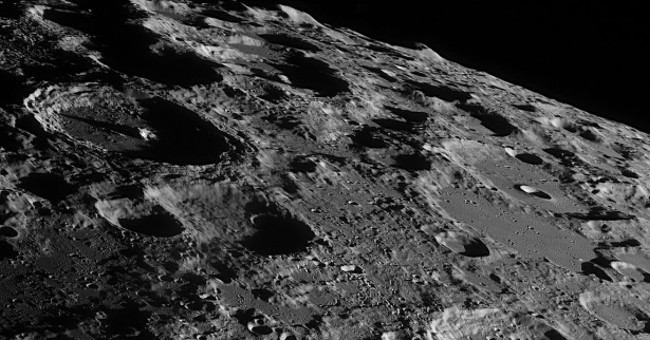
Scientists at Stony Brook Medical University (USA) have come to the conclusion that those who live long on the Moon will be in danger by the Moon land.
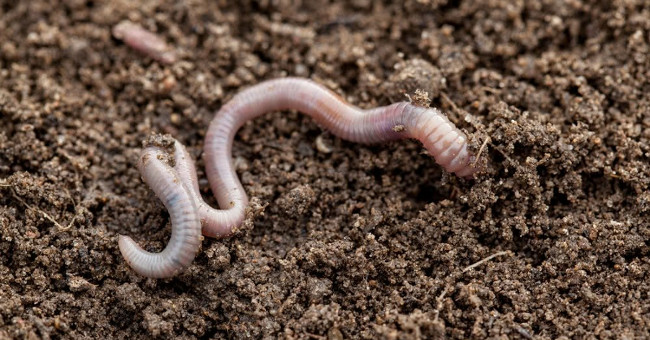
New research shows that earthworms can live and reproduce smoothly in simulated Martian soil
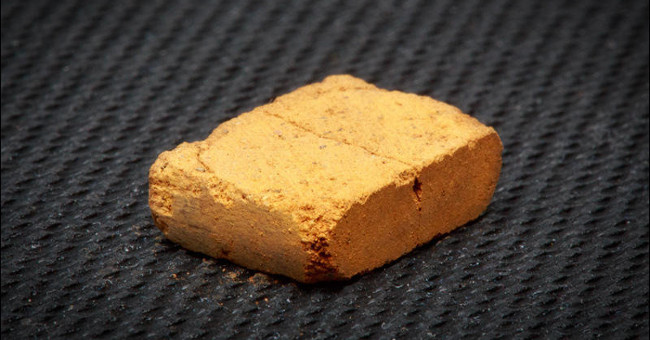
In the future, can we use this brick to build a base on the red planet?

Peruvian scientists have successfully cultivated potatoes in a Mars-like environment, opening up the prospect of growing this highly nutritious tuber on the Red Planet.
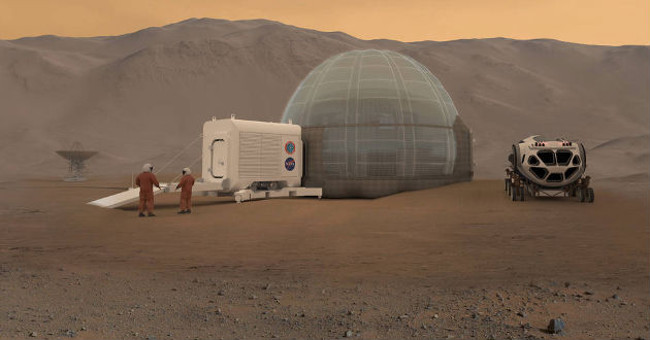
To conquer Mars in the future, basically, people need large-scale transport, residence, food and sustainable energy.

NASA has made many bold plans for the future of the Mars program, adding self-propelled ships to the Martian surface by 2020 and sending manned spaceships in 2030.
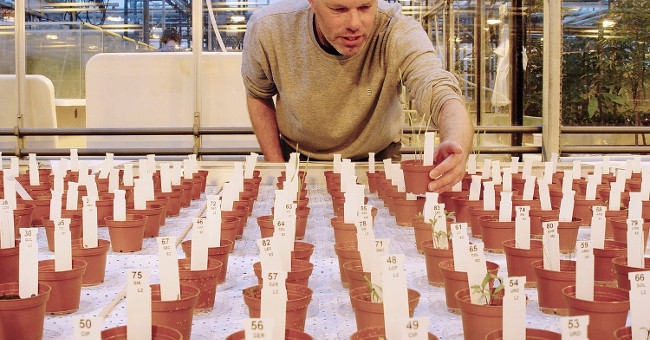
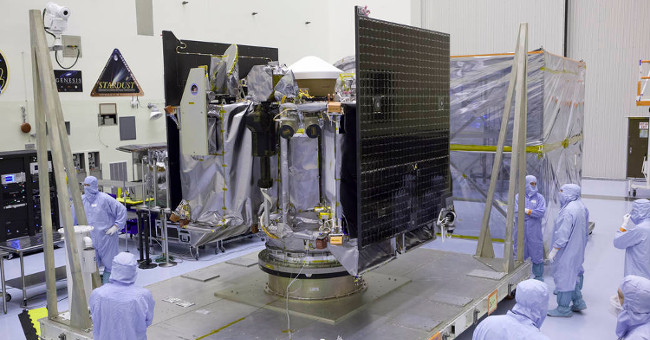
The US Aerospace Agency (NASA) is preparing to launch a spacecraft tasked with taking soil samples from an asteroid to Earth.
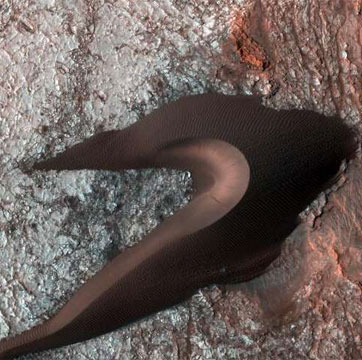
The camera on the Mars Reconnaissance Orbiter of the US Aeronautics Agency (NASA) took a picture of the Martian sand dune shaped like a large leech.

The core is the nucleus of the Earth. From the bottom of the Mantle lower layer extends into the center, about 3,473km. According to analysis of monitoring data, people…