Scientific works
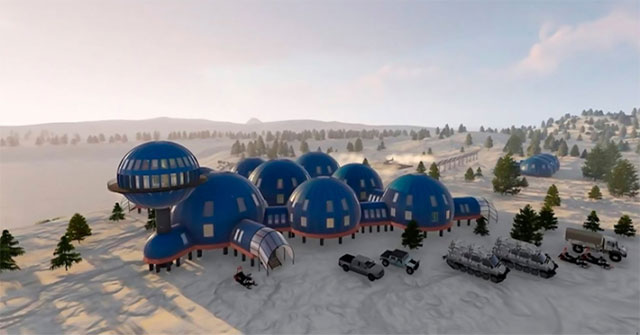
Project to build the world's first green energy arctic station
Scientists plan to build a year-round research station in the Arctic using a combination of wind, solar and hydrogen energy.
Browse ScienceInfo articles and explainers related to Solar.
2,143 published items.
Scientists plan to build a year-round research station in the Arctic using a combination of wind, solar and hydrogen energy.
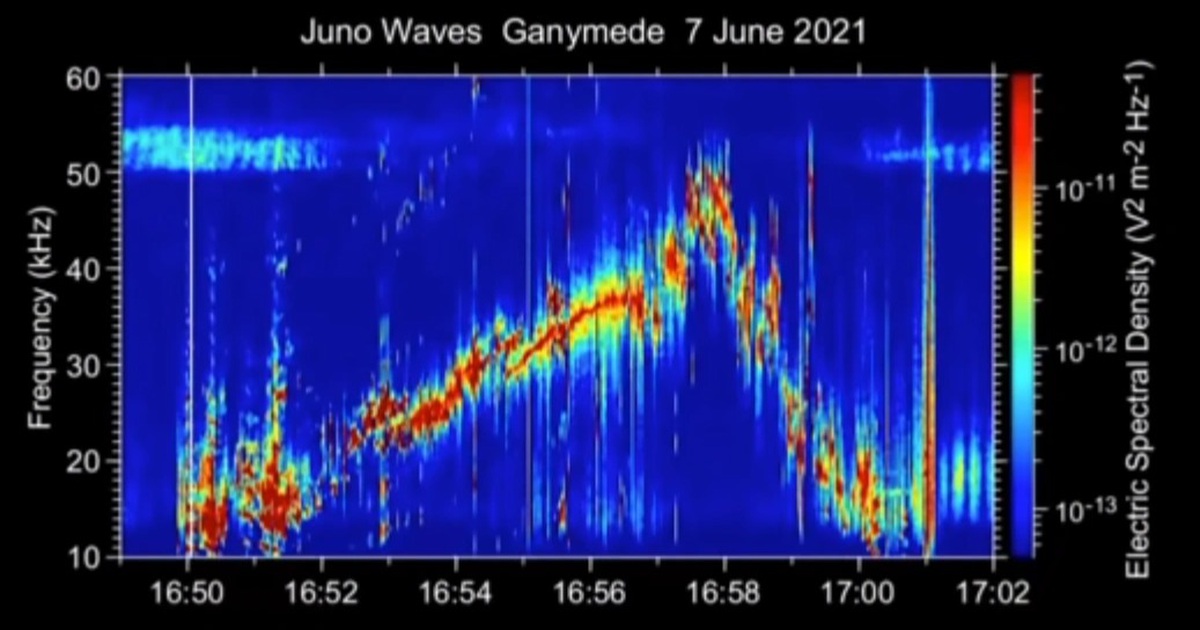
'This sound gives you goosebumps,' said physicist Scott Bolton, the probe's principal investigator. What information does it contain?
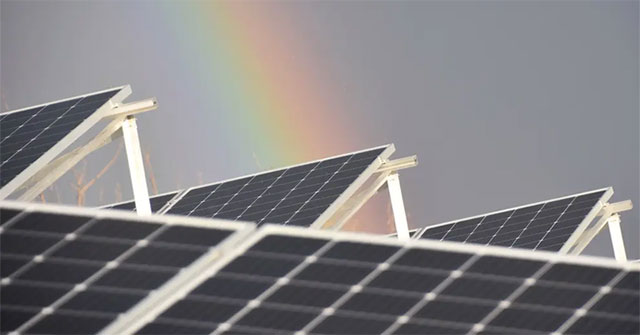
Researchers have discovered the mysterious properties of perovskite - the so-called 'miracle material'.
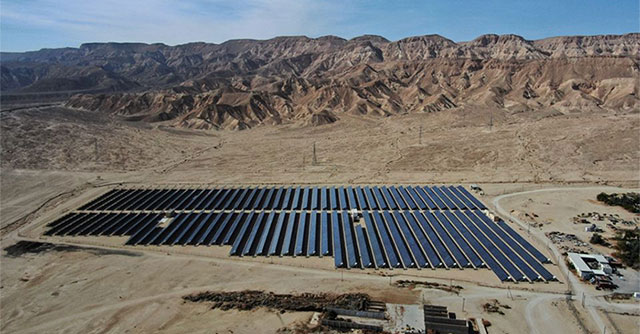
Renewable energy from the sun and wind is often difficult to store. This is a major barrier in the global effort to switch to renewable energy.
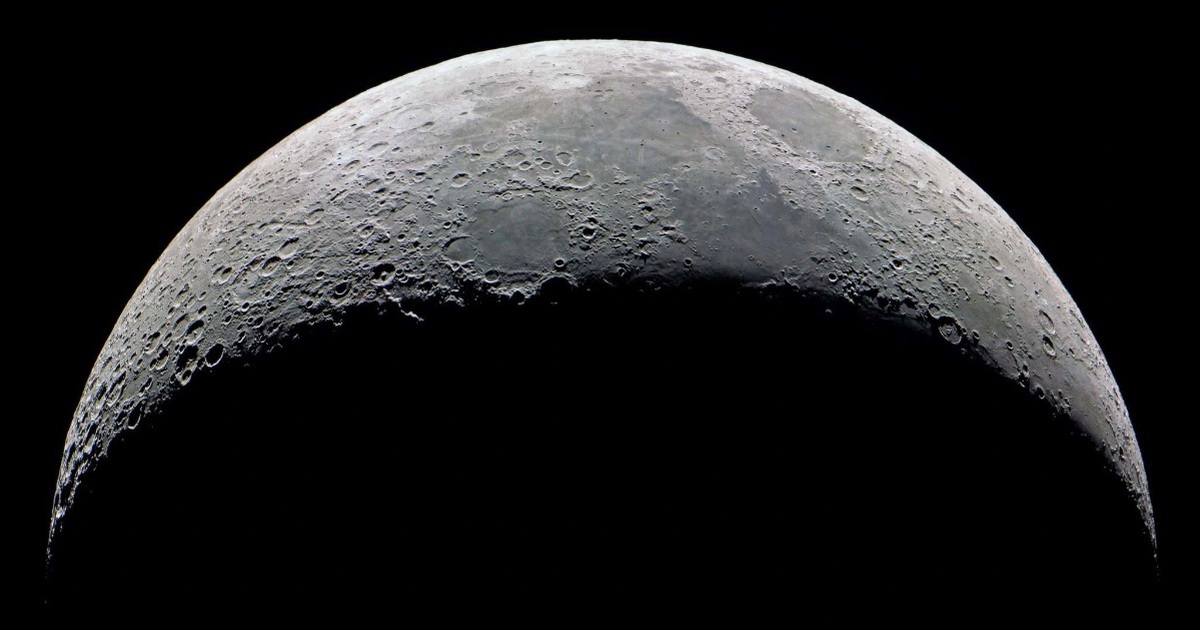
Many celestial bodies in the Solar System can fall into the 'planet' category, including Earth's Moon and many others, and even some 'dwarf planets', or 'asteroids'.
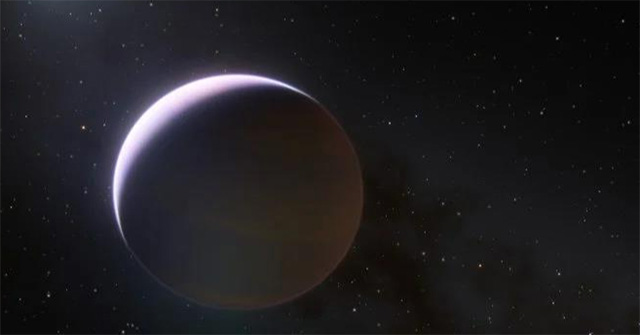
If placed next to the Solar System, everything in the newly discovered alien world will look like mythical giants, defying the principles of planet formation.
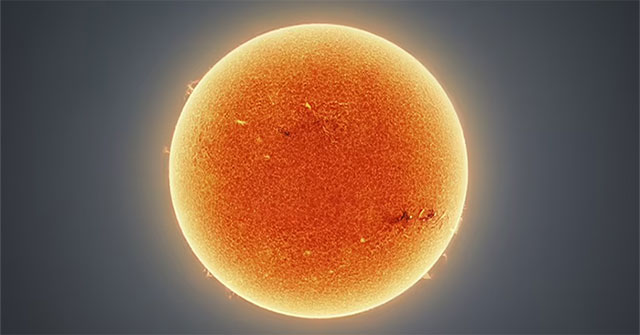
Astrophotographer Andrew McCarthy has shared his 'clearest ever' photo of the Sun.
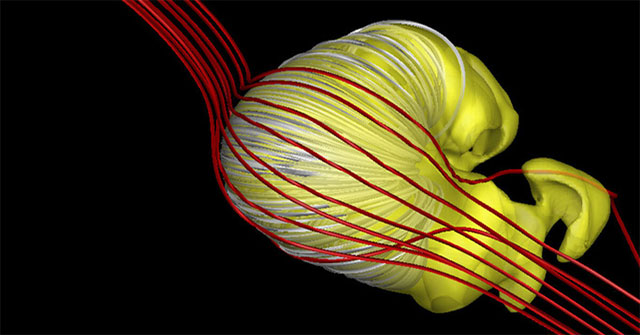
The US team of scientists confirmed that there is a bubble-like structure that is wrapping around the Sun and all of its planets, including Earth of course.
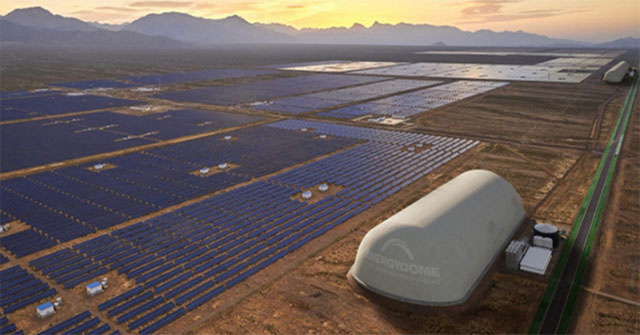
The new CO2 battery system can operate for 25 years without loss of efficiency, helping to save costs for energy storage.
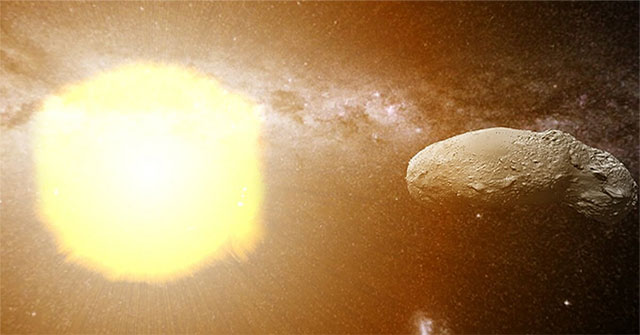
The sun, or specifically the solar wind, can be the source of seeds for the Earth's oceans, and the condition for all living things and ourselves to be born.
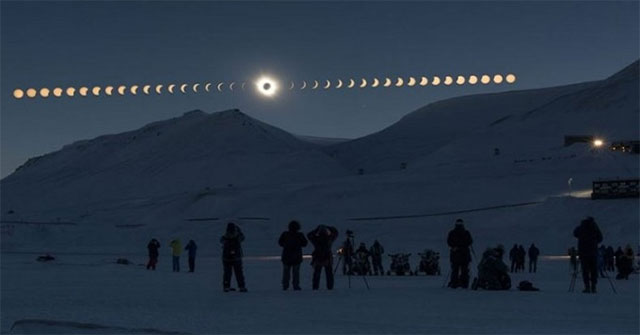
NASA said this year's only total solar eclipse will take place on December 4, but the entire event can only be observed from the South Pole.
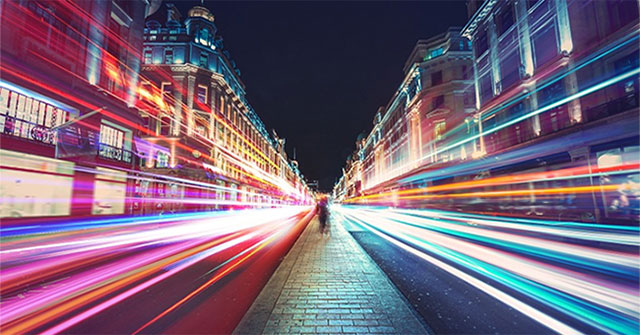
There is still a long way to go, but surely this technology could one day allow us to get from New York to Los Angeles in under a second.
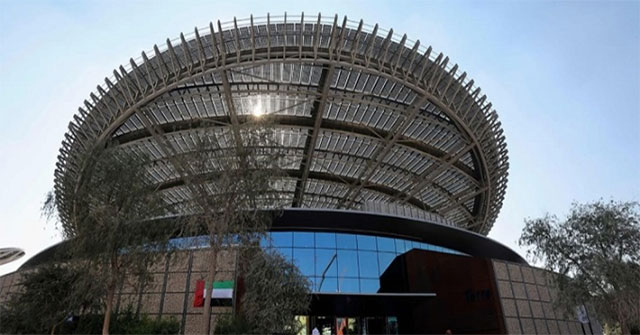
With energy trees and 1,000 solar panels on the roof, the Sustainability Pavilion can produce up to 4 gigawatt-hours of electricity per year.
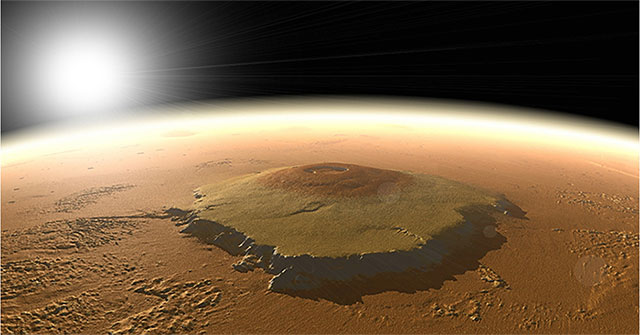
Mars is a planet of spectacular contrasts - the largest giant volcanoes in the solar system, the deep valleys.
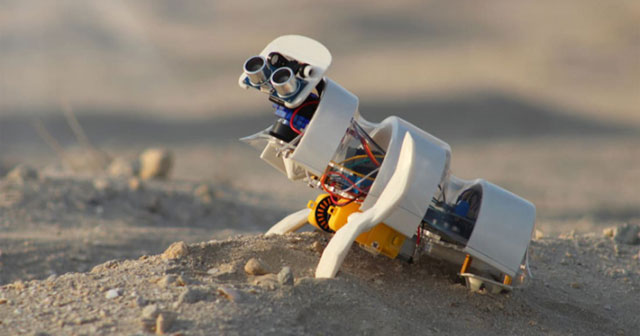
Robot A'seedbot is equipped with a solar battery, which can be charged during the day and then works at night within a radius of 5 km.