Space science
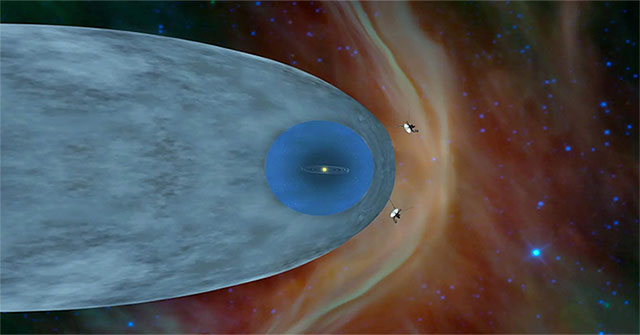
NASA transmits its first signal from interstellar space
NASA's Voyager 2 helps scientists determine where to end the influence of the solar wind and start interstellar space.
Browse ScienceInfo articles and explainers related to Solar.
2,143 published items.
NASA's Voyager 2 helps scientists determine where to end the influence of the solar wind and start interstellar space.
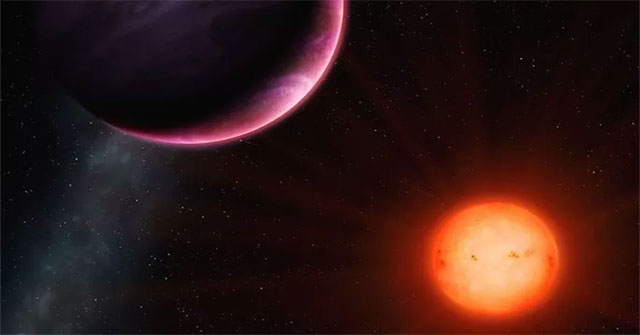
A giant planet with a mass of 318 times the earth has used its gravity to keep our planet from orbiting.
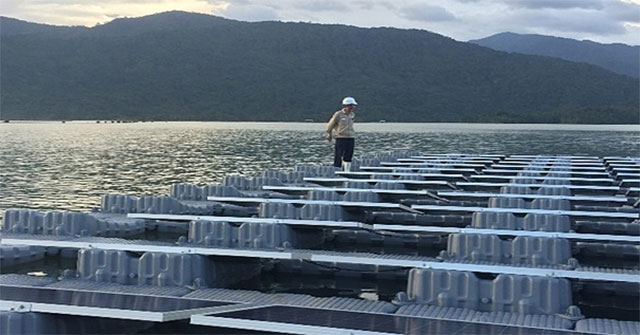
The floating buoy system was first implemented in the country with the water level fluctuating from 4 m to 40 m. - VnExpress

The sun emits a lot of energy. Currently, many countries exploit this energy source to gradually replace other sources.

A team of engineers from the US has successfully designed solar panels that mimic the ability of sunflowers to direct sunlight, through the use of smart nanotechnology.

When do we have a Trashpresso patrol on the road every afternoon?
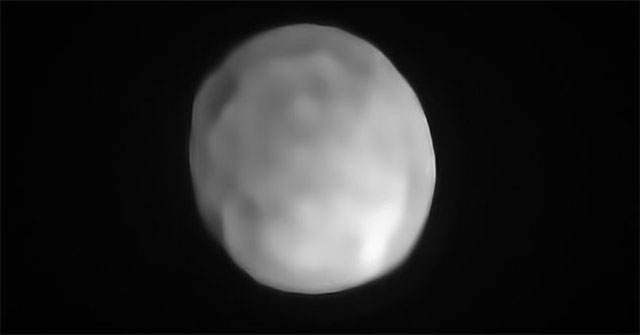
A space rock that has long been mistaken for asteroids may actually be a dwarf planet like Ceres or Pluto.

Astronomers at the Carnegie Institute of Science have discovered just 20 new moons of Saturn using the Subaru telescope in Hawaii.
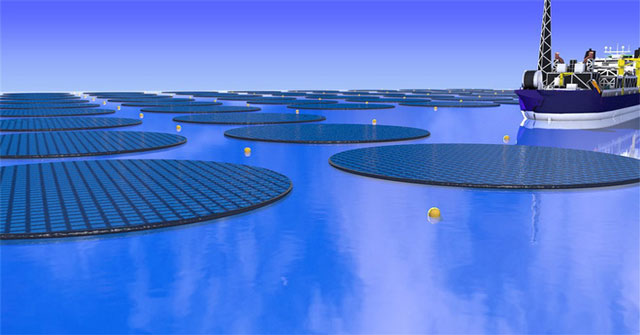
Floating solar farms will solve three issues on one hand: energy, greenhouse gases and scenes that depend on fossil fuels.
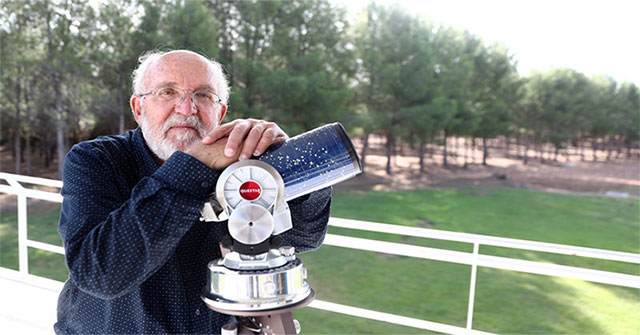
Mankind will never be able to migrate to a world other than the Solar System, simply because the distance is too far, according to Michel Mayor professor Michel Universi…
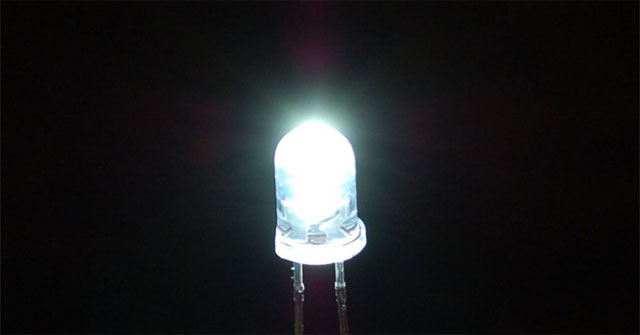
Scientists have just made something impossible: reverse solar technology, because instead of using light, they use darkness to generate electricity.
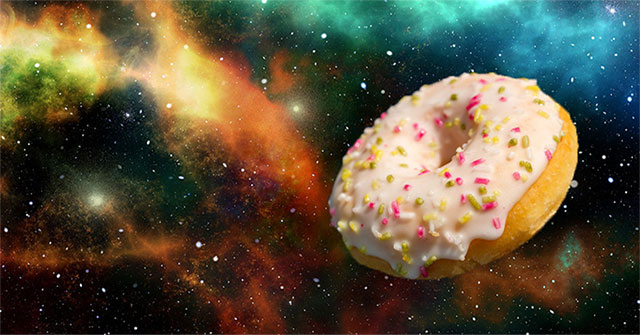
The team of Russian scientists is developing a donut-shaped spacecraft that can reach the farthest corner of the solar system in record time.

Throughout 4.5 billion years of history, the planet's Arctic and Antarctic periods have changed places ... 26 times in every million years. More surprisingly, it is the…
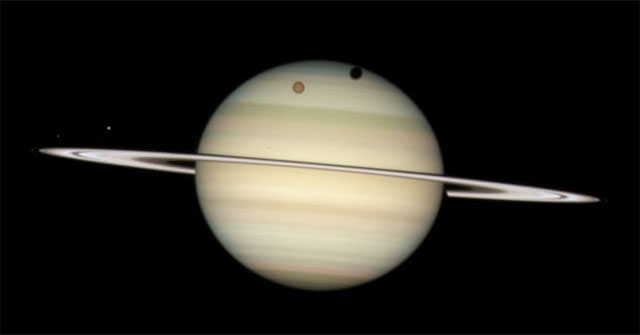
The number of asteroids orbiting Saturn is 82, surpassing 79
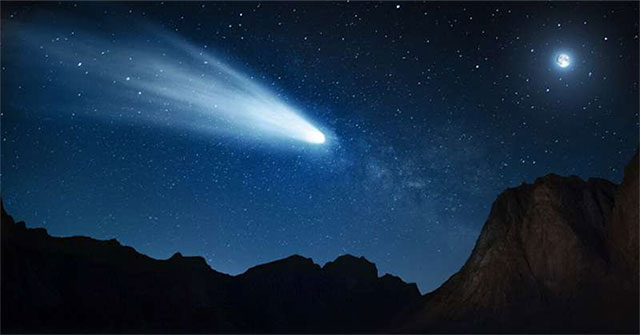
A new project led by a University of Florida researcher could fundamentally alter our understanding of how comets come from the outskirts of the Solar System.