Space science
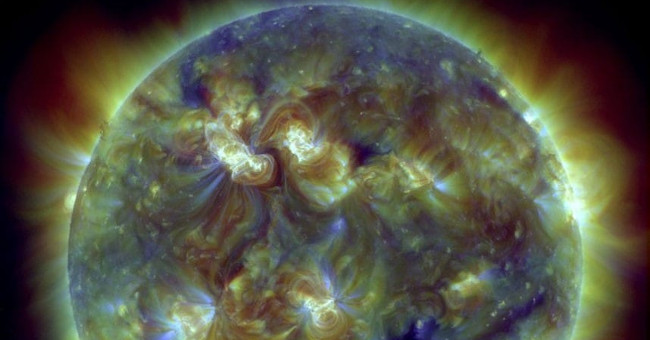
Today March 14, the Sun storm will reach Earth and this is NOAA's warning
An electromagnetic storm will reach Earth on March 14-15, 2018, as predicted by the US National Oceanic and Atmospheric Administration (NOAA).
Browse ScienceInfo articles and explainers related to Solar.
2,143 published items.
An electromagnetic storm will reach Earth on March 14-15, 2018, as predicted by the US National Oceanic and Atmospheric Administration (NOAA).
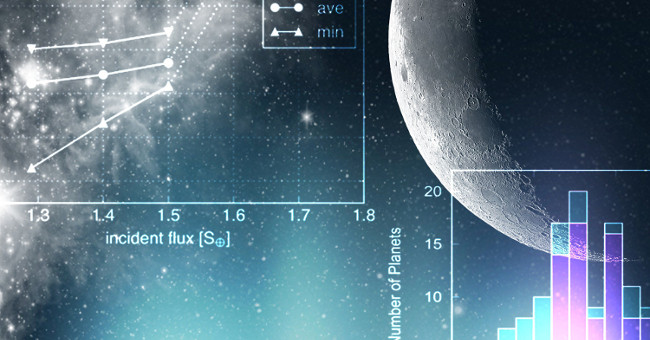
The new study was published by the University of Tokyo Institute of Technology (Japan). The newly discovered planets revolve around some small red dwarfs near Earth.
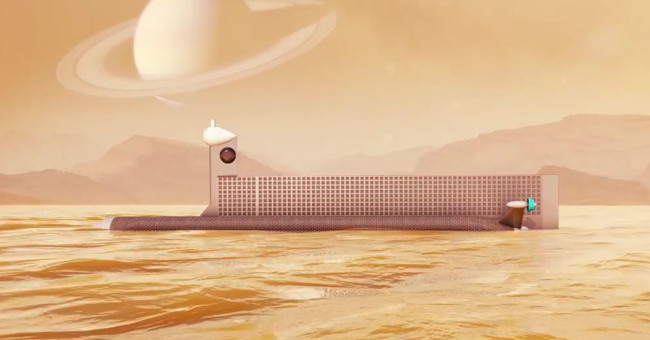
The Titan moon is by far the only celestial body in the solar system outside the globe that contains sea of liquid on the surface.
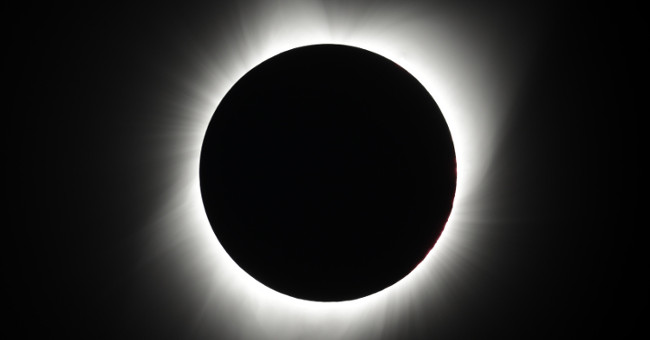
How do scientists calculate the total solar eclipse? Where does it appear? The following article will meet your question.
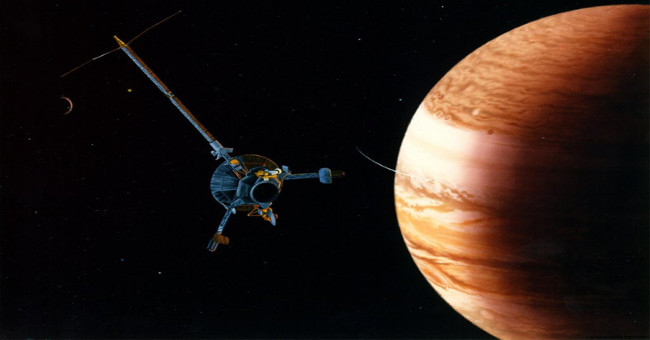
For those who do not know, the largest solar system planet is Jupiter. For ease of comparison, the diameter of Jupiter is about 22 times greater than our Earth.
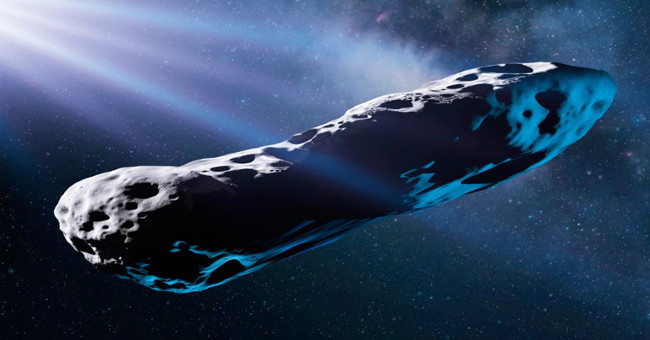
Oumuamua is a small asteroid-like object or comet, born in a completely different planetary system and travels through the solar system.

Solar storms or solar winds are a flow of charged particles released from the upper region of stars.
The mass of this galaxy is 33 million solar masses. According to the study, the emission lines of Balmer and Fe II of this galaxy show that it is the nature of the NLS1…
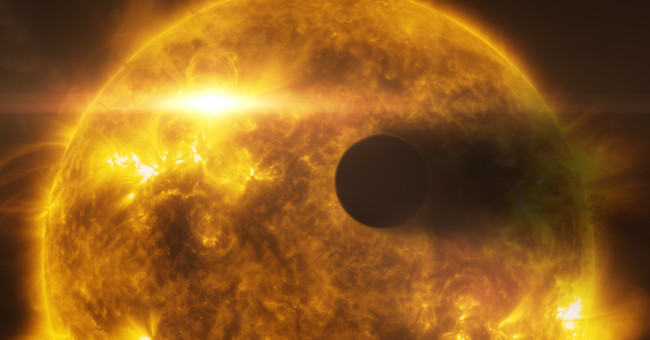
The sun - the star in the solar system and the source of energy and natural light for the Earth.
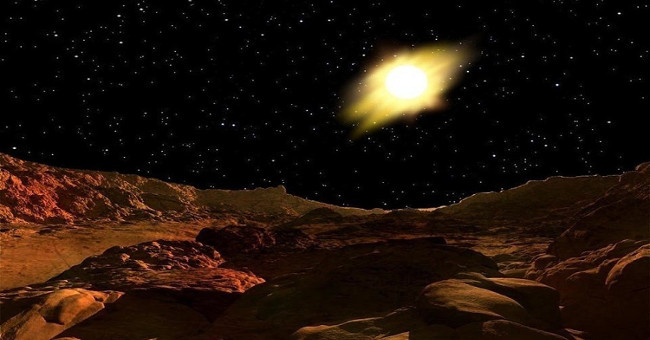
Based on the distance between the Sun and planets, Ron Miller, an American illustrator, creates vivid images that show the shape of the Sun when viewed from another plan…
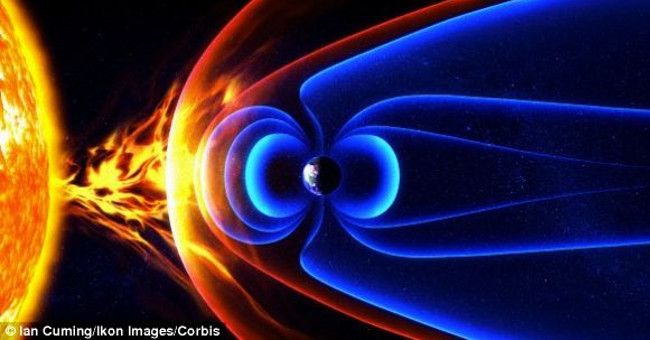
According to Daily Mail, the Earth has a molten core that makes up the magnetic field to counteract the effects of the solar wind.
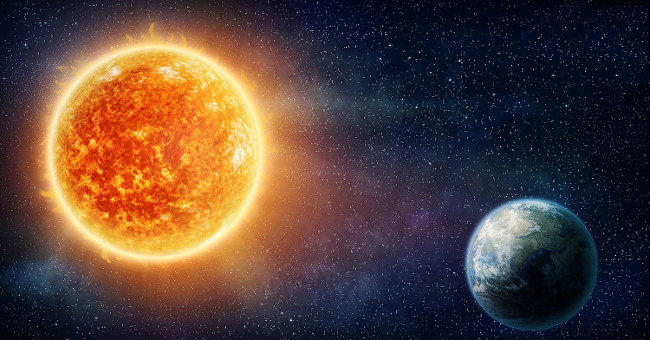
There are many things we do not know about this vast, wonderful universe. It contains secrets that if you do not find out, perhaps even this life you will not know.
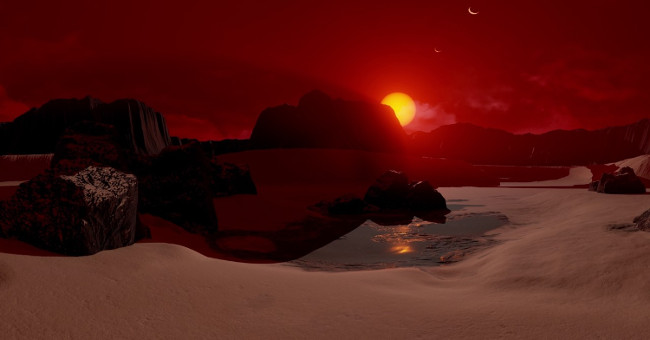

A small pebble in Egypt containing microscopic diamonds and many compounds cannot be found anywhere in the solar system.
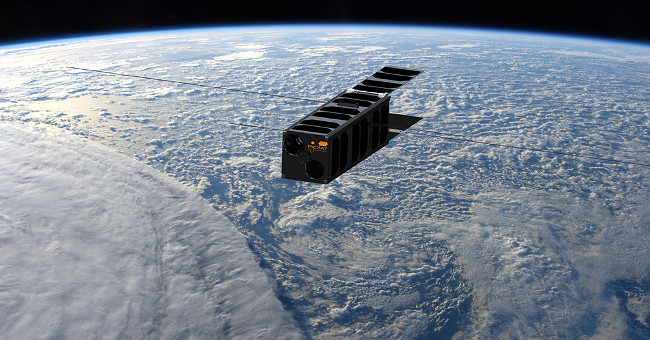
On January 12, France launched a satellite the size of a bottle of champagne into Earth's orbit to study a young and mysterious planetary system in the galaxy.