History
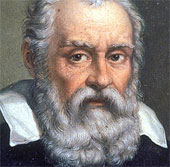
December 28: Galileo discovers a new planet in the solar system
On December 28, 1612, Galileo observed a new planet in our solar system with a telescope.
Browse ScienceInfo articles and explainers related to Solar.
2,143 published items.
On December 28, 1612, Galileo observed a new planet in our solar system with a telescope.
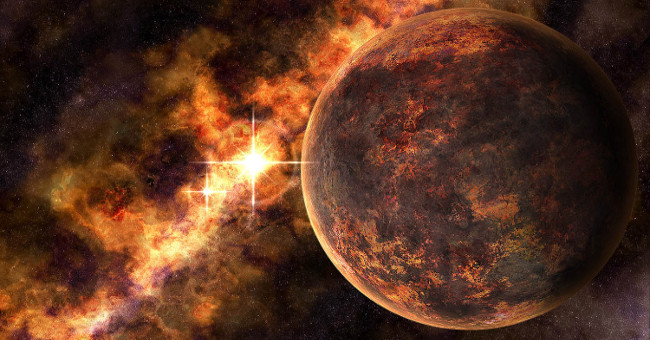
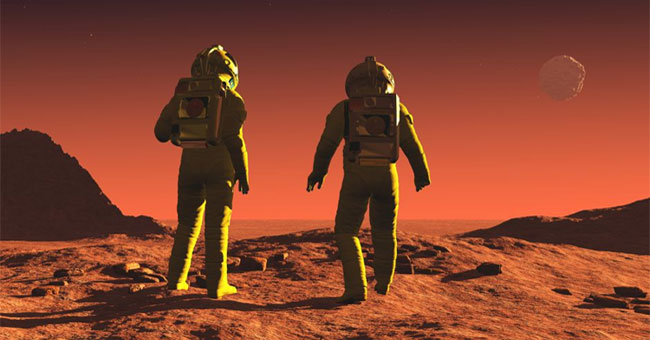
Moving to another planet in the future is the target of humanity, but this does not guarantee that humans can escape the apocalypse if it happens.

According to experts, the accident may occur in the middle of this century due to important changes of the Sun, Scientific Reports said.
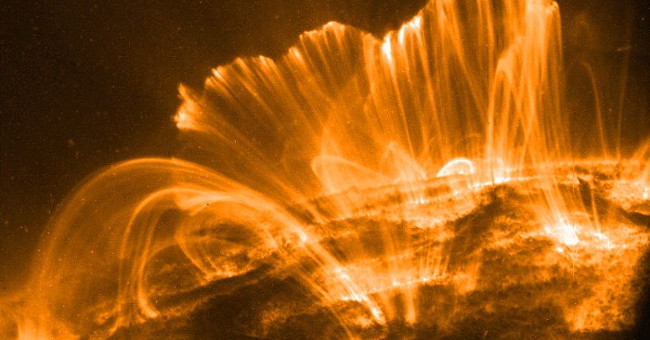
We are now completely dependent on the electricity and satellite networks, so if we now encounter a solar storm like 1859, it will not simply be strange but a carpet. Re…
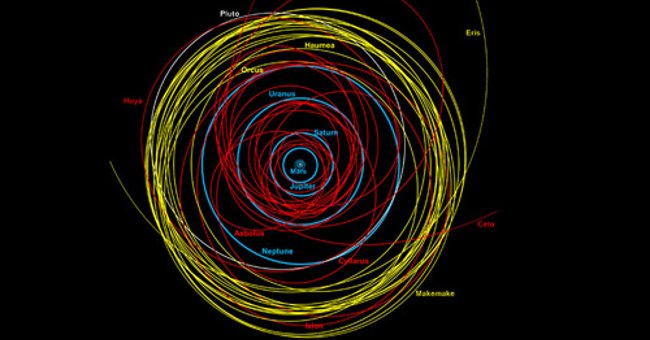
A comet attack that wiped out previous dinosaurs will most likely repeat once again wipe out all life on the planet.

After proving that there is no end date on December 21, 2012, NASA offers five scenarios that may occur in practice, but may only last for several billion years.
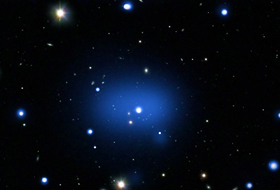
The most distant galaxy population is 10.2 billion light-years from Earth, British astronomers claim ...
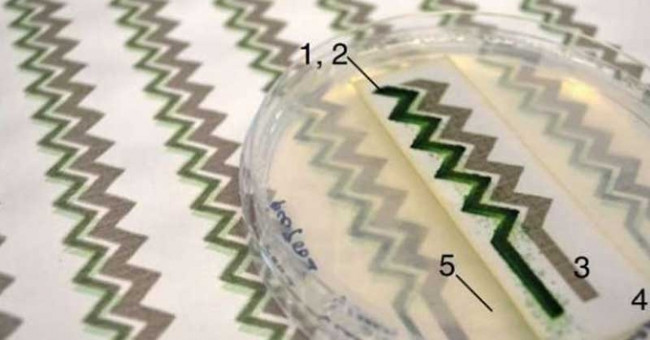
Scientists at the Royal College of London and Cambridge University have published research on bioelectric photovoltaic batteries in Nature Communications.

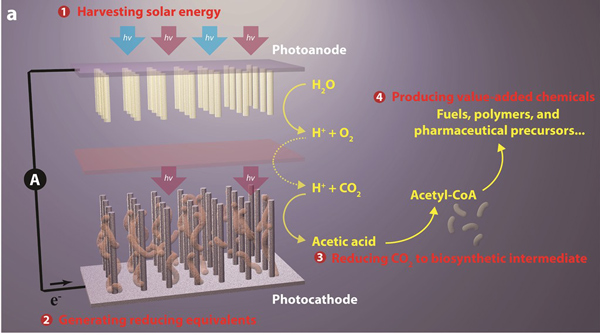
Cyborg bacteria trained to cover solar panels are more efficient than chlorophyll.

Researchers at the Royal Institute of Technology KTH Stockholm have successfully developed transparent wood materials used in construction and solar cells.
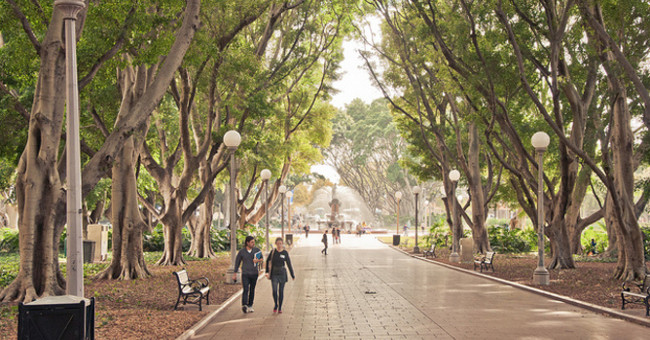
A general study is necessary to eliminate all doubts and fully exploit the benefits of trees.

Last July, Monsanto withdrew its sale of genetically modified seeds with biotechnology in the EU, which paved the way for competitors to challenge Monsanto's market shar…
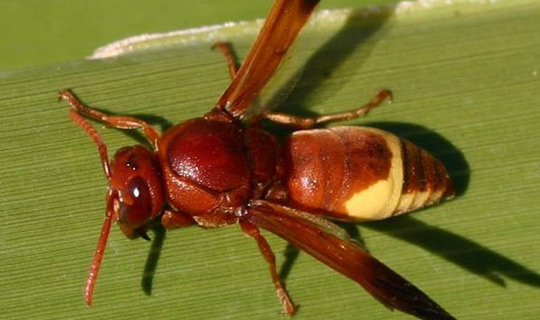
This Eastern bee species belongs to the bumblebee family, which has a special structure on the abdominal cavity that helps capture sunlight, and a special pigment that c…