Oceanography
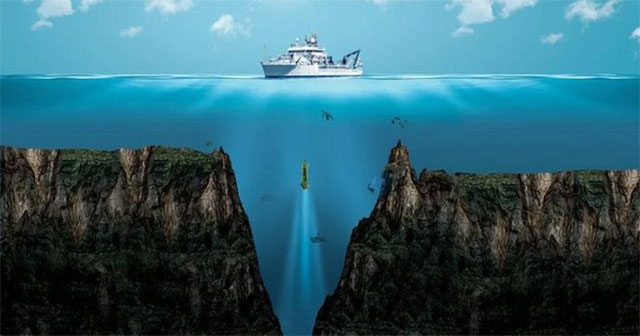
How deep is the ocean?
The average depth of the ocean is about 3,700m. The deepest point in the ocean known today is Challenger Deep in the Mariana Trench with a depth of about 10,935m (nearly…
Browse ScienceInfo articles and explainers related to Sonar.
19 published items.
The average depth of the ocean is about 3,700m. The deepest point in the ocean known today is Challenger Deep in the Mariana Trench with a depth of about 10,935m (nearly…
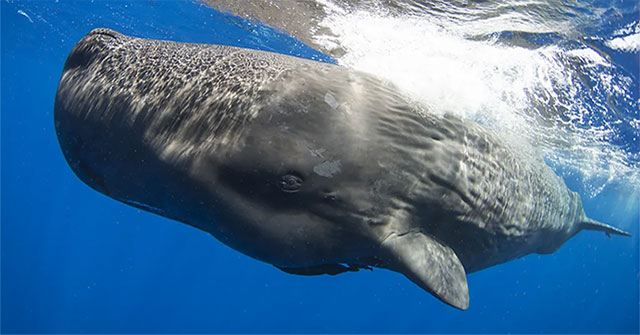
For the first time in the world, researchers had a 'conversation' with a whale. Now their goal is to try to find out what it's actually saying.

An ocean exploration company in September 2023 shared a sonar image of an airplane-shaped object suspected to be the Lockheed 10-E Electra of legendary female pilot Amel…
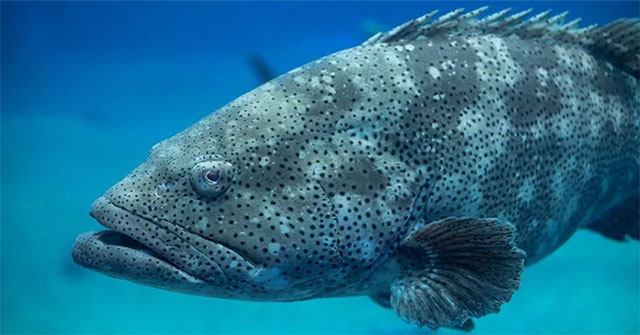
The US is testing technology that uses natural noise to locate threats on the seabed as an alternative to military sonar.
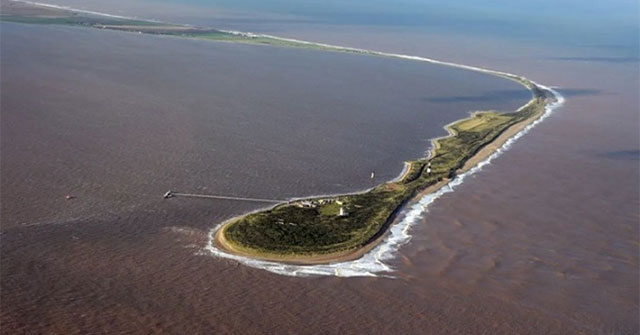
The researchers hope the high-resolution sonar system can help locate the medieval town of Ravenser Odd, which sank under the North Sea in the mid-14th century.
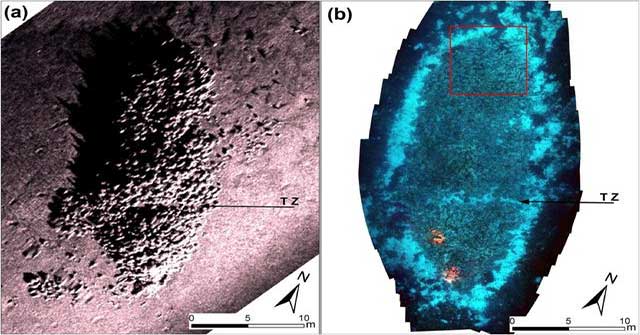
Using sonar technology to explore the seabed by sound waves, scientists have discovered a shadowy figure like a ghost ship up to 34 m long, hidden in deep Mediterranean…
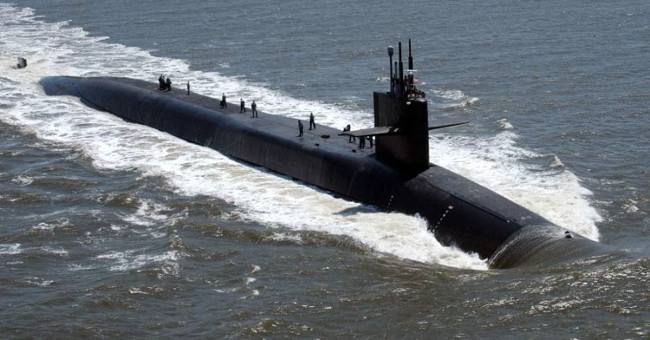
Scientists have created dozens of structures that reflect or transmit sound waves through them perfectly, but they all only work in the atmosphere.
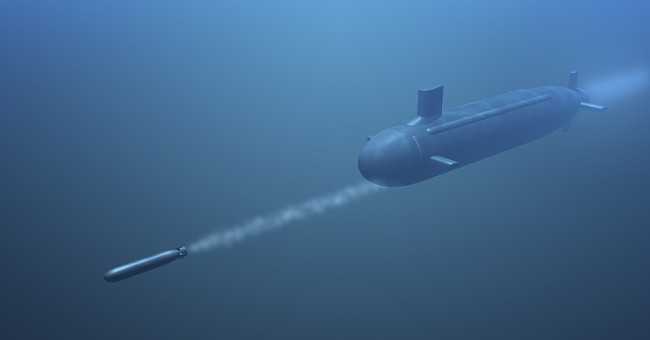
Vietnam is making great progress in the research of manufacturing underwater weapons, especially anti-submarine torpedoes.
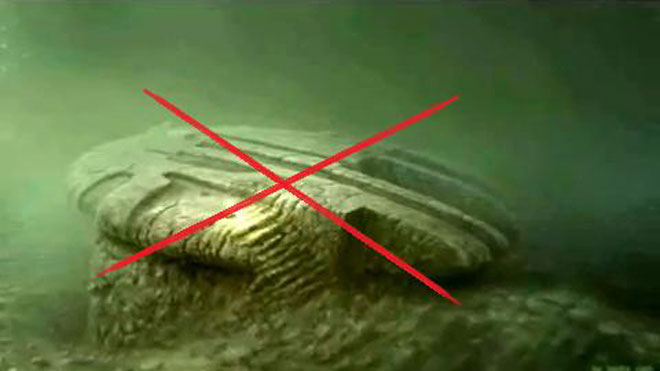
Based on the analysis of rock samples taken from strange objects with a diameter of more than 60m and rising from the sea floor near 4m under the Baltic Sea, Swedish geo…
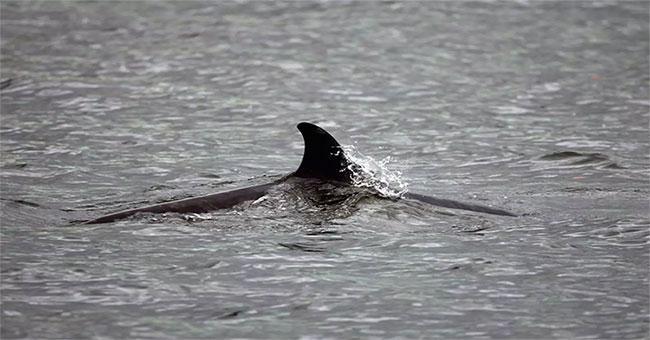
Newsweek reported on September 12 that the bodies of 43 Cuvier bighead whales were discovered in the coast of five islands in western Scotland in just over a month.
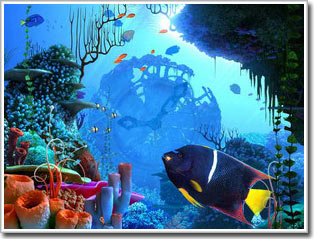
Underwater sounds are important for animals. It allows them to navigate, hear the sounds of approaching predators and prey, and is a way of communicating with others. Th…
Researchers have recently found the body of a ship sunk since the 19th century, using an underwater locator.
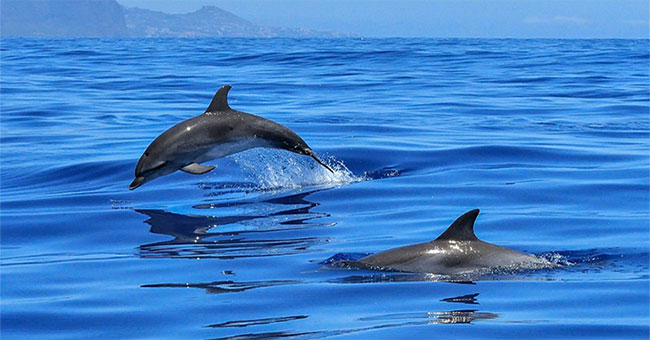
Since the 1960s, scientific studies have shown us that marine mammals, such as dolphins, communicate with each other by sound waves.
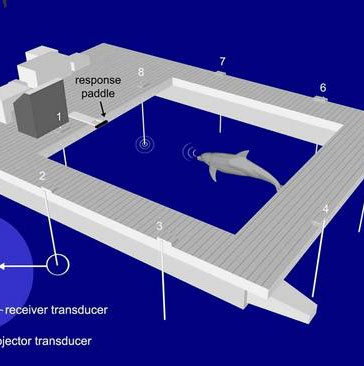
Unlike terrestrial mammals, dolphins only sleep with half their brains while the other half is awake. C

Today, it is easier to detect the movement of aircraft thanks to the help of radar systems. However, before the radar technology, how do people detect the movement of ai…