Biology
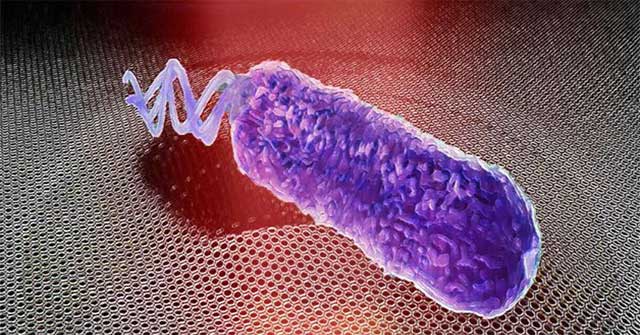
New discovery: Bacteria emit sound, only mute when encountering antibiotics
Have you ever wondered if bacteria make a special sound? According to scientists, if we know how to listen to bacteria, we can tell if they are alive or not.
Browse ScienceInfo articles and explainers related to Sound.
1,057 published items.
Have you ever wondered if bacteria make a special sound? According to scientists, if we know how to listen to bacteria, we can tell if they are alive or not.

To deal with the daring pirate groups, many yachts of the tycoons have equipped with ultrasonic weapons.

Scientists have discovered never before described vocalizations in humpback whales, revealing their complex communication behaviour.

Engineers at the Massachusetts Institute of Technology (MIT) have developed a paper-thin speaker that can turn any surface into a sound source.
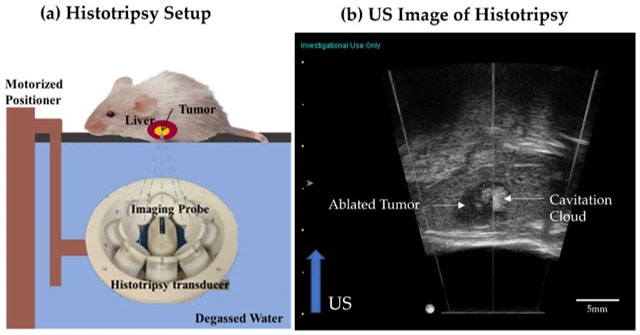
Sound waves will break down solid tumors into liquid form, so that immune cells can clean up and eliminate them.

As people age, not only is it difficult to fall asleep, but it also takes longer to fall into a deep sleep state.

It is estimated that between 60% - 70% of the global population speaks at least two languages. Congratulations if you are part of a global language learning community

Spider webs have a big function to catch prey, but they can also be used as a device, according to a new study.

The team at Caltech modified the E. coli bacteria and stimulated it with ultrasound so that they secrete chemicals that kill cancer cells that harm healthy cells.
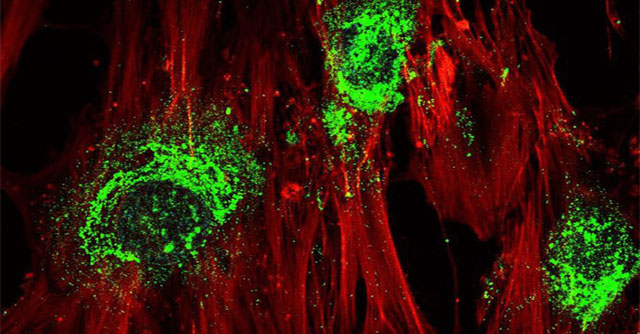
The researchers used high-frequency sound waves to turn stem cells into bone cells.

Based on data collected by NASA robots, scientists estimate that sound travels on Mars at a speed of about 864km/h.

The famous Kinzhal supersonic missile of the Russian military with powerful destructive power, can reach a speed of 12 times the speed of sound, and an operating range o…

The idea of sleeping on a hard floor instead of a comfortable bed may sound a bit odd, but it actually offers a lot of health benefits.
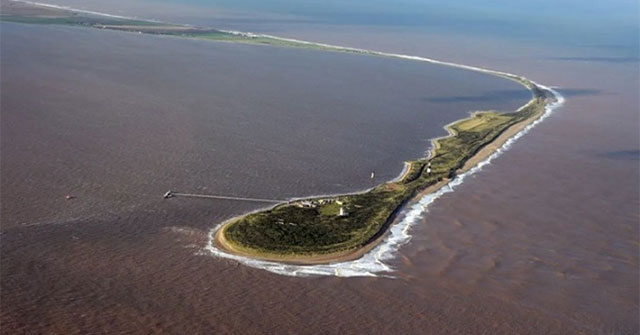
The researchers hope the high-resolution sonar system can help locate the medieval town of Ravenser Odd, which sank under the North Sea in the mid-14th century.

Scientists at Nanyang Technological University in Singapore have invented a fabric that can detect and produce sound.