Space science
'Signs of life' found 1,000 light years from Earth
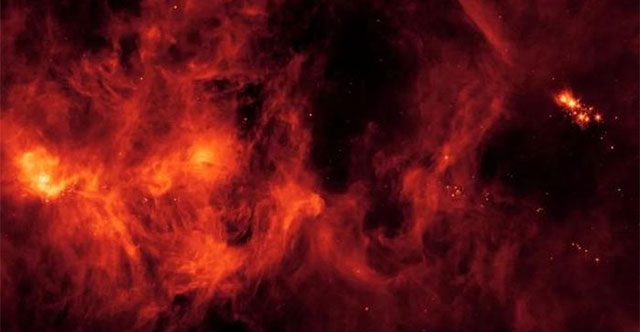
NASA's Spitzer Infrared Space Telescope has picked up the signal of tryptophan in the middle of a
Browse ScienceInfo articles and explainers related to Spitzer.
60 published items.
NASA's Spitzer Infrared Space Telescope has picked up the signal of tryptophan in the middle of a
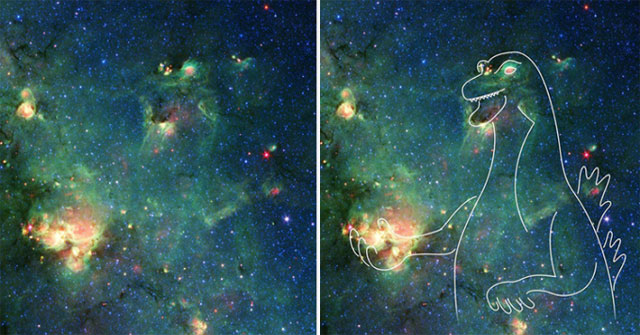
NASA's Spitzer Space Telescope sent back to Earth a stunning image of a dust cloud thousands of light-years away.
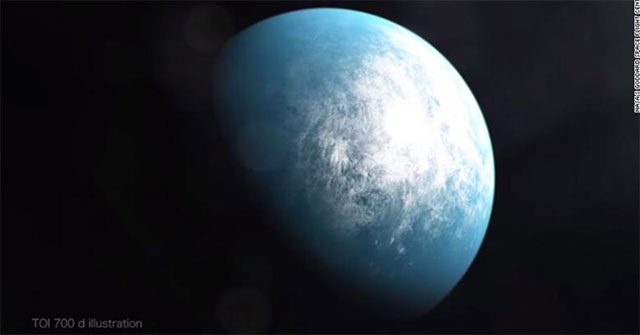
TESS, NASA's 'planetary hunt' program, has found a first habitable exoplanet about the size of Earth, orbiting a star about 100 light-years from us.
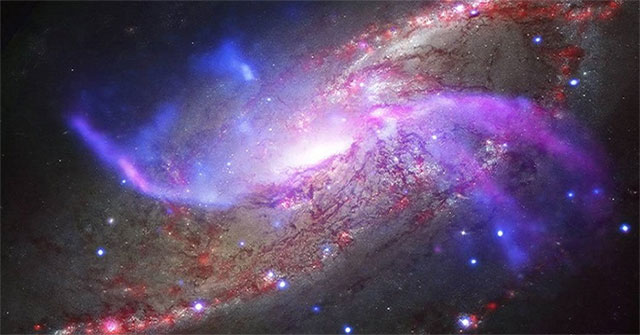
The US Aerospace Agency (NASA) on December 31, 2019 shared photos that reveal the structure and glow of the spiral galaxy NGC 4258.
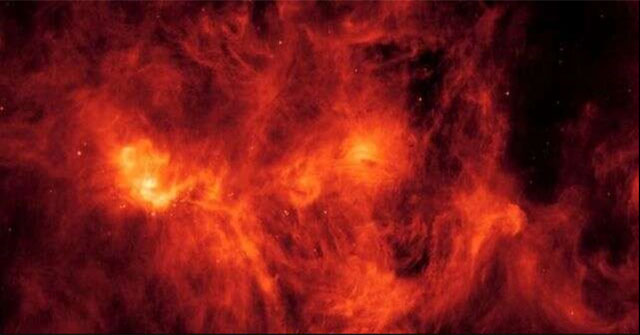
NASA's Spitzer space telescope captured the fiery moment of a giant mass of gas and dust that spanned more than 500 light-years.
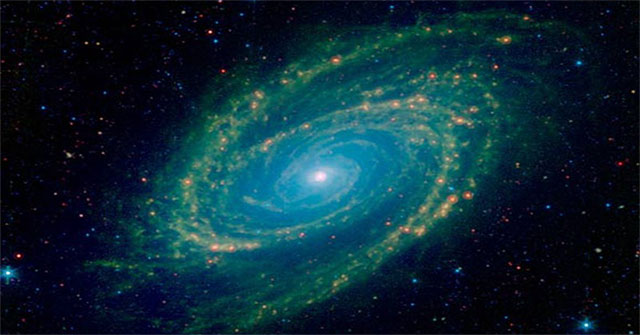
NASA has just released a stunning infrared image taken by NASA's Spitzer Space Telescope of the Messier 81 galaxy, a spiral galaxy located 11.6 million light-years from…
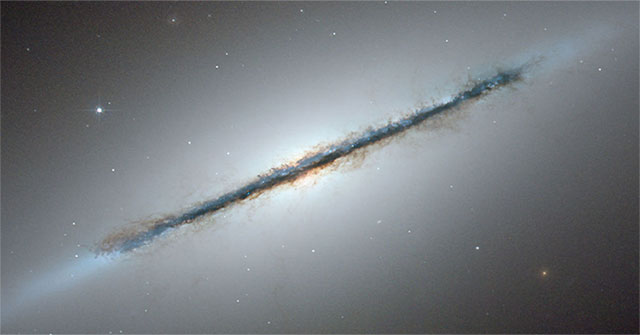
Spitzer Space Telescope has discovered galaxy NGC 5866 about 60,000 light-years in diameter - more than half the diameter of the Milky Way where people live.
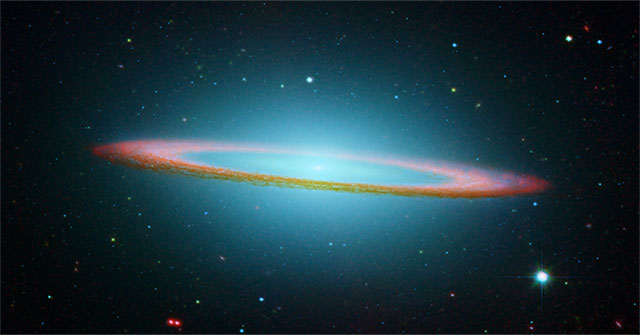
Spitzer Space Telescope (Spitzer Space Telescope) named in honor of legendary scientist Lyman Spitzer Jr. has made countless valuable contributions to the astronomy fiel…
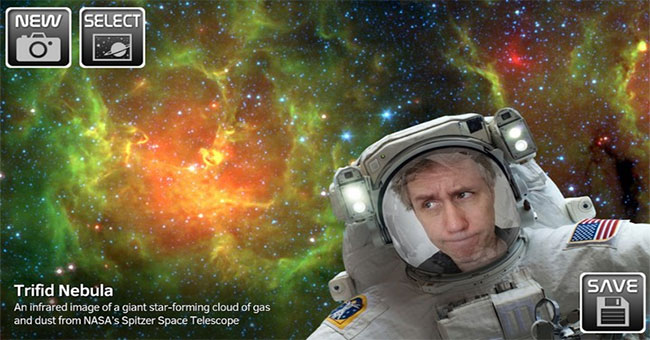
Now, you can completely visit the space with VR experience and selfie with two NASA applications.
The majority of galactic nuclei contain supermassive black holes of millions or even billions of solar material.

The new research shows that the Milky Way is expanding with new stars being born, Space reported on April 4.
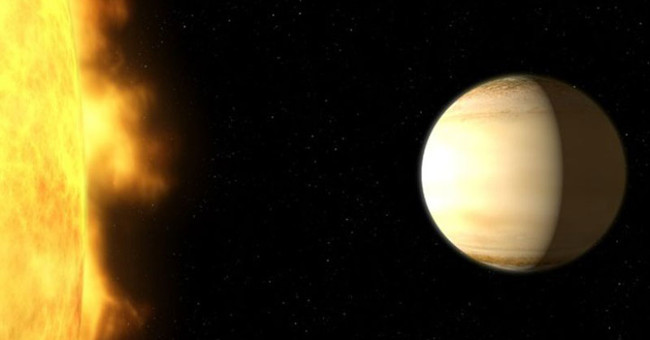
They used the Hubble space telescope and the Spitzer telescope to create a detailed spectrum of the WASP-39b atmosphere, allowing for evidence of water's existence.
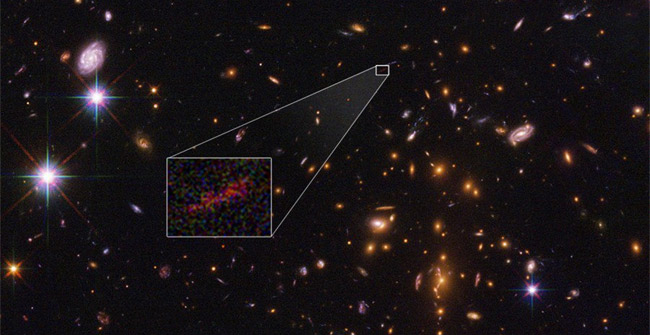
The most distant galaxy in the universe suddenly caught sight of space telescopes. Combine Hubble and Spitzer data and estimate this galaxy to be 13.3. billion years ...…
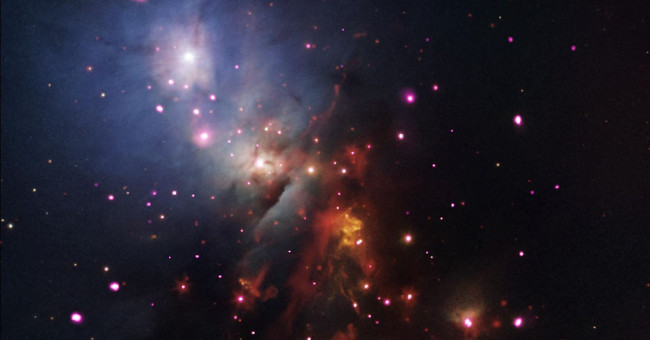
Previous studies with Hubble, Spitzer and ALMA showed that brown dwarfs can be 70 times larger than giant stars like Jupiter.
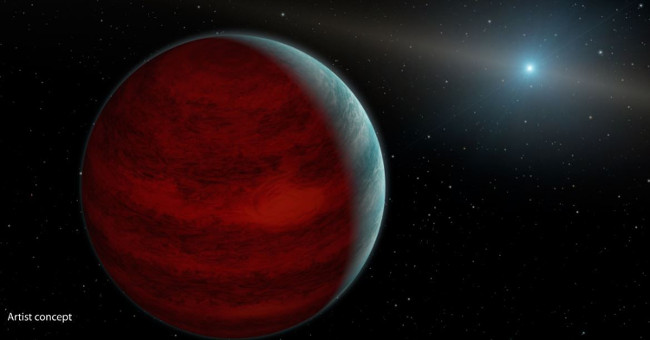
Scientists discovered the new planet is 13 times the size of Jupiter, the largest planet in the solar system, in the center of the Milky Way, according to Yahoo News.