Space science
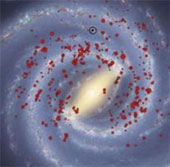
Discovered missing branches of the Milky Way
The study of giant stars has confirmed that the Milky Way has up to 4 spiral arms, ending the long-held argument that our galaxy has only two branches.
Browse ScienceInfo articles and explainers related to Spitzer.
60 published items.
The study of giant stars has confirmed that the Milky Way has up to 4 spiral arms, ending the long-held argument that our galaxy has only two branches.
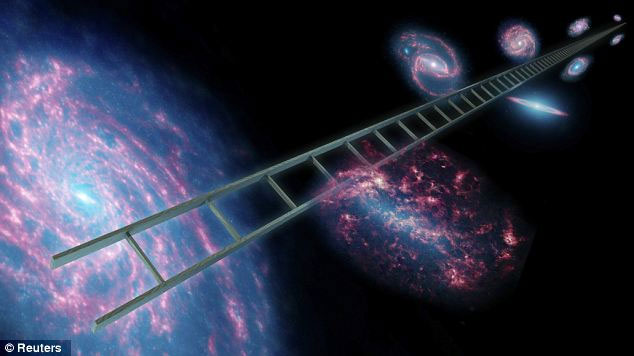
NASA's Spitzer space telescope data gives scientists the most accurate view of the universe's rate of expansion. Accordingly, the universe is expanding at the fastest ra…
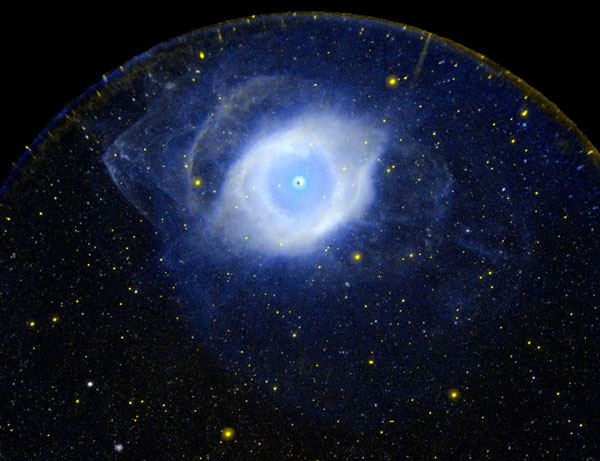
Helix, the name of a nebula about 650 light-years from Earth, is dubbed
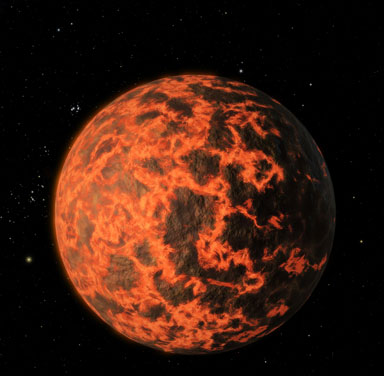
The US National Aeronautics Agency (NASA) said on July 18 that, using the Spitzer Telescope, astronomers discovered what they thought was a planet the size of two-thirds…
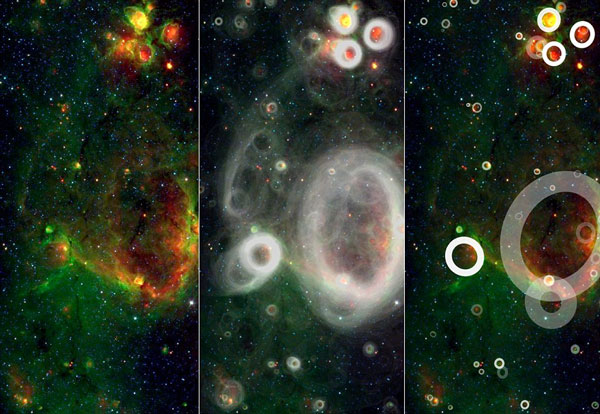
The US Aerospace Agency (NASA) has published impressive images of the universe's first fireworks display. Astronomers say these pictures show brilliant light from the Sp…
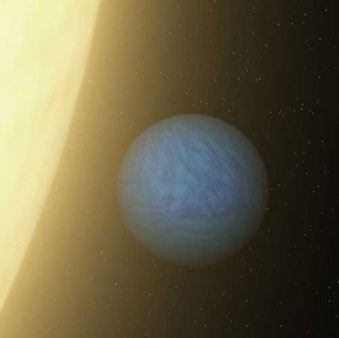
Light from a planet twice the size of the Earth has reached Spitzer's lens in an event known as astronomical achievement by astronomers. NASA's Spitzer Space Telescope c…

Thanks to NASA's Spitzer telescope, astronomers have discovered in space space fullerenes or solid-state carbon atoms that were previously found only in gases.
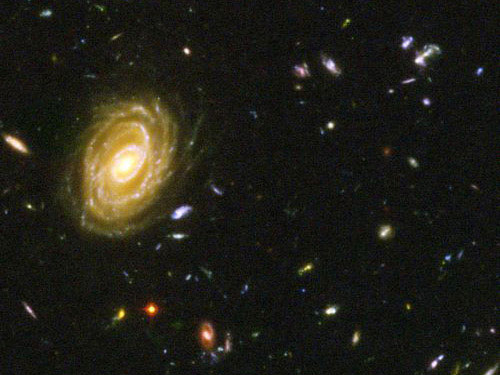
One of the farthest galaxies that scientists are studying is speed
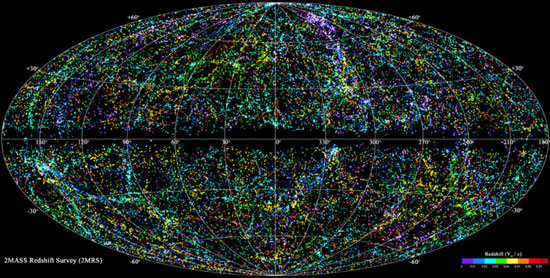
A 3D map is most complete about the universe due to the Two Micron All-Sky Survey program, also called 2MASS, showing that 50,000 brilliant galaxies exist between infrar…
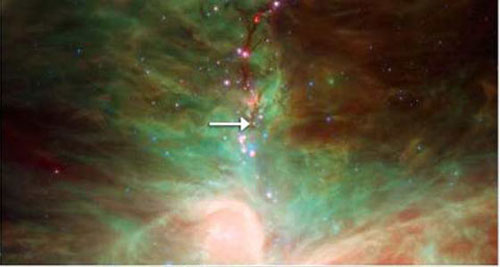
For the first time, the Spitzer telescope of the US Aerospace Agency (NASA) discovered a crystal rain on a newly formed star.
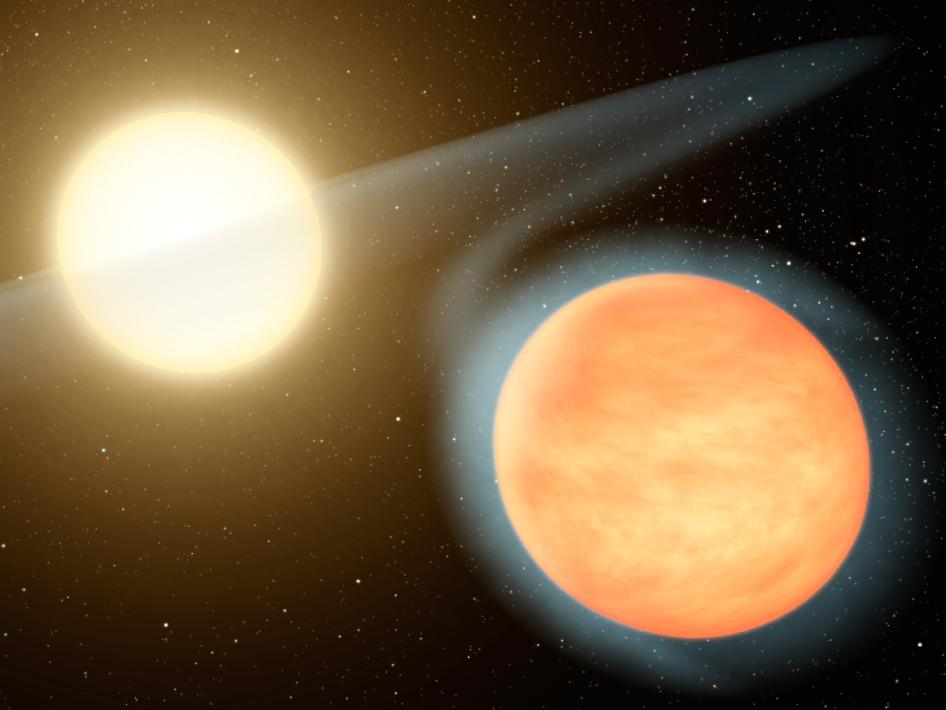
The Spitzer telescope of the US Aerospace Agency (NASA) has for the first time discovered a giant and dry hot planet containing so much carbon.
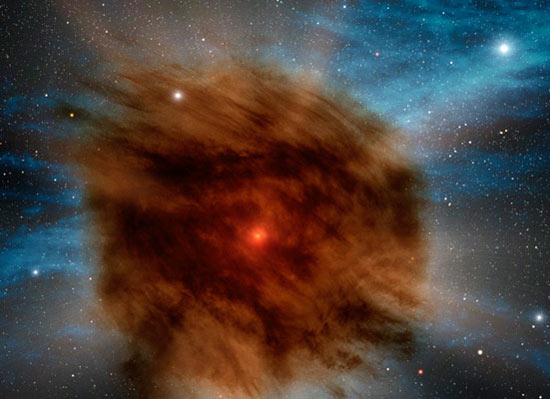
While astronomers use a Spitzer space telescope to search for a supermassive black hole in the center of a distant galaxy, the team suddenly discovers an unusually hot c…

The Adler, Chicago (USA) astronomical department recently published the latest and most complete picture of a galaxy of 800,000 images of different sizes.

Combining images taken from multiple space telescopes, scientists introduced the beauty of the center of the Milky Way, the galaxy containing the Earth.
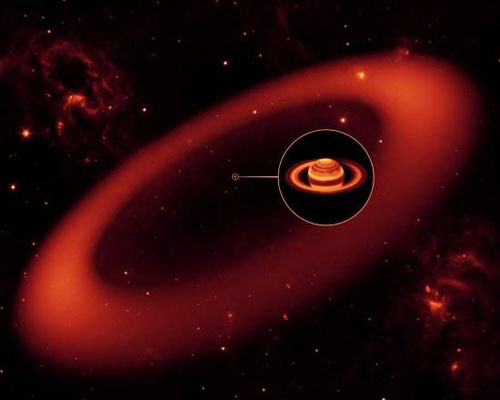
The record-breaking and unprecedented giant belt discovered by Spitzer telescope. The half-dark mystery of the moon Iapetus had the answer.